Why disuse is the actual failure mode
In a region with regular rainfall, a sump pump runs often. It cycles, the owner hears it, and if it stops working the pit fills within days and the problem announces itself. The feedback loop is short enough that failures get caught.
Here the loop barely exists. A pump may be called on a handful of times a year, during the monsoon, when intense summer storms produce runoff fast enough that Maricopa County warns six inches of moving water will knock a person off their feet. The rest of the year it sits.
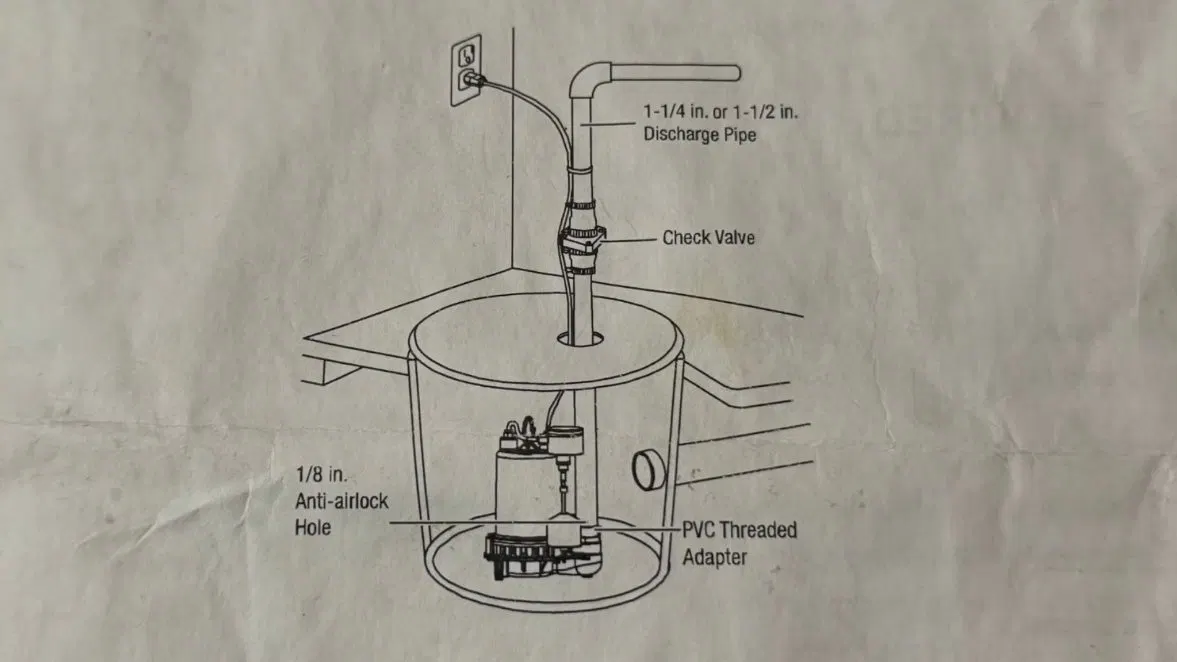
Mechanical things that sit do not stay ready. A pump can seize. A float can stick in position, held by silt or a fouled hinge. A check valve can gum up so that water lifted up the discharge runs straight back into the pit. A GFCI can trip quietly months earlier and nobody notices because nothing was expected to run.
So the property owner finds out during the one event the pump exists to handle. There was no gradual warning because there was no gradual use, and that is the whole problem in a sentence.
Whether you actually need one here
Before anything else, it is worth saying plainly that most properties in this area do not need a sump pump, and you should be told so rather than sold one.
Most housing here is slab-on-grade. There is no basement, so there is no basement sump, and the pump that defines this service in the Midwest simply has nothing to do on a typical Cave Creek house.
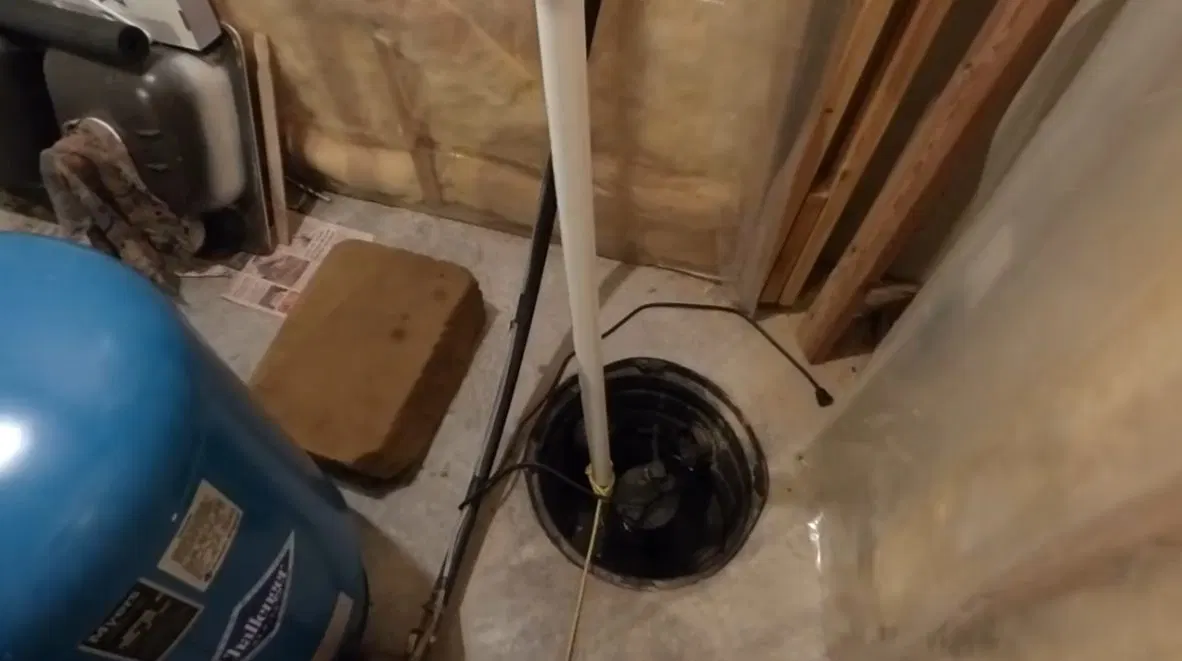
Where they genuinely earn their place is more specific: a property built into a slope where water collects against a lower elevation; a below-grade room, garage or workshop on a cut site; an equipment or well house that takes water during heavy rain; a drainage sump handling runoff on a parcel where surface water has nowhere convenient to go.
There is also the ejector pump, which is a different machine in a similar pit. It lifts waste water from a fixture installed below the level of the drain line, so it handles sewage rather than groundwater, sits in a sealed and vented basin, and fails considerably less pleasantly. If you have a bathroom or laundry below the main drain line, that is what you have.
The common thread is that any pump on a property here was installed because someone identified a real, specific water problem on that site. That makes it more important than a standard-issue pump would be, and it makes neglecting it more consequential.
STUCK ON THIS ONE?
A high-water alarm turns a silent failure into a noticed one. Call (480) 806-2944 and you will get a range and an arrival window before anyone is dispatched.
The test, and what each step is checking
- Pour water into the pit steadily until the float lifts. This is checking the float moves freely through its full travel and is not fouled or obstructed.
- Confirm the pump starts promptly when the float reaches its trigger point. A pump that hesitates or hums without starting is telling you something.
- Watch the water level drop at a reasonable rate. Slow movement suggests a partial obstruction, a worn impeller, or a discharge problem.
- Confirm it shuts off cleanly when the level falls, rather than continuing to run dry, which destroys pumps quickly.
- Go outside and confirm water is actually leaving the discharge point, and that it is going somewhere it will not return from.
- Listen for water running back into the pit after shutoff. That is a failed check valve, which is cheap and common.
- If there is a battery backup, confirm it holds charge, since the storms that need the pump are the storms that take out the power.
Do this before monsoon season rather than during it, and ideally once more part way through. It takes five minutes and it converts an assumption into a fact.
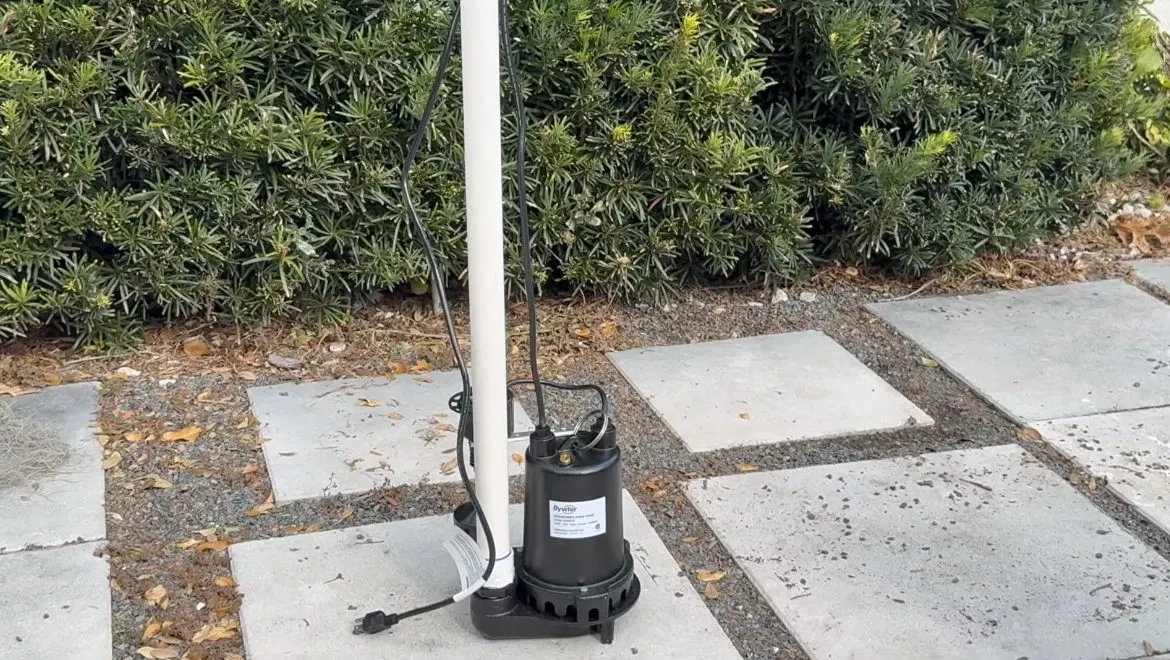
The discharge check is the one people skip and it matters on large parcels here. A discharge terminating too close to the building, or into ground that is already saturated during the storm, simply cycles the same water back toward the pit while the pump works itself to death.
What to add, and what to skip
| Addition | Worth it when | Notes |
|---|---|---|
| High-water alarm | Almost always | Cheapest useful addition; turns silent failure into noticed failure |
| Check valve replacement | Any sign of water returning to the pit | Inexpensive and a common quiet failure |
| Battery backup | The pump protects finished space | Storms and outages arrive together here |
| Second pump | Failure would reach finished rooms | Redundancy for a genuinely severe consequence |
| Larger pump | The pit genuinely fills faster than it clears | Rarely the actual problem; check the discharge first |
| Larger pit | Short cycling is shortening pump life | Buffering matters more than raw capacity |
Buy the alarm before you buy the bigger pump
The alarm is the highest-value item and the least often specified. In a climate where a pump runs a handful of times a year, knowing that it has stopped working is worth more than extra capacity you will rarely use.
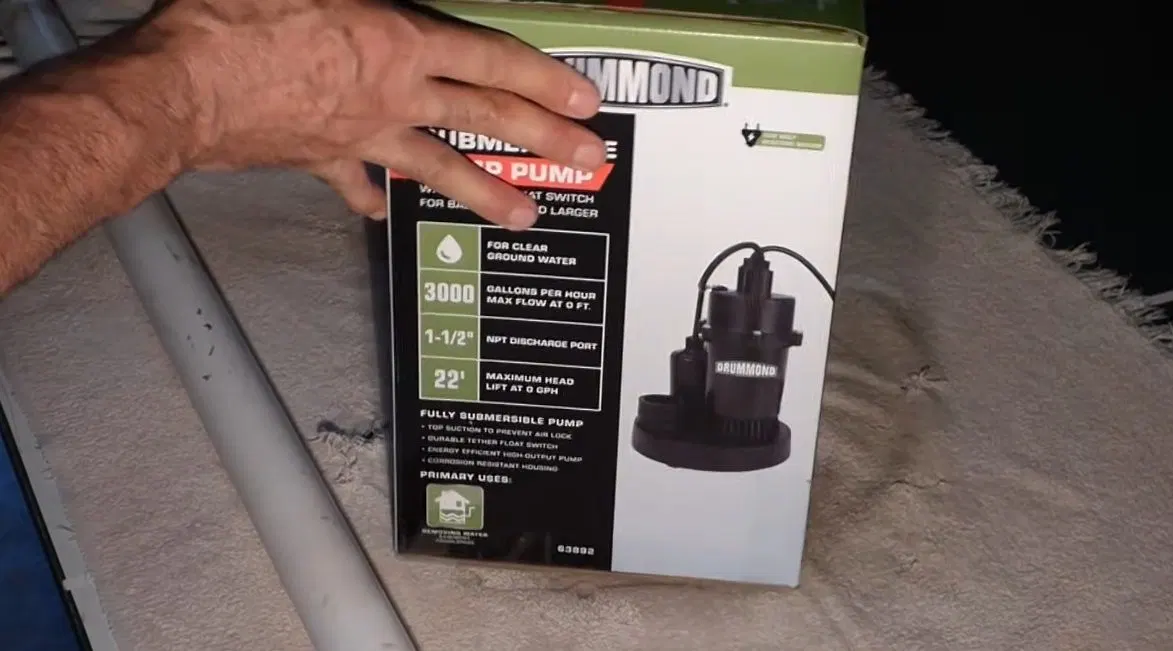
The larger pump row is worth resisting unless the evidence supports it. When a pump seems not to keep up, the cause is more often a restricted or badly routed discharge than inadequate capacity, and replacing the pump does not fix a discharge problem. Check where the water is going before buying more power to send it there.
Where the water is allowed to go
Discharge routing is a real question on parcels here rather than a detail, and it has both a practical and a regulatory dimension.
Practically, water needs to go far enough from the building that it does not find its way back, and onto ground that can take it during a storm rather than during dry weather. Desert soil that absorbs readily in April behaves quite differently once monsoon rain has saturated it.
On the regulatory side, a great deal of this area drains toward washes, and the Flood Control District of Maricopa County administers floodplain regulation for unincorporated areas as well as a number of municipalities. Where a parcel sits in a designated flood hazard area, what may be done with water is not entirely a matter of preference.
If a previous owner set up the discharge route, it is worth confirming rather than inheriting the assumption. And if a storm has changed how water moves across the land, which happens, the route that worked before may not be the right one now.
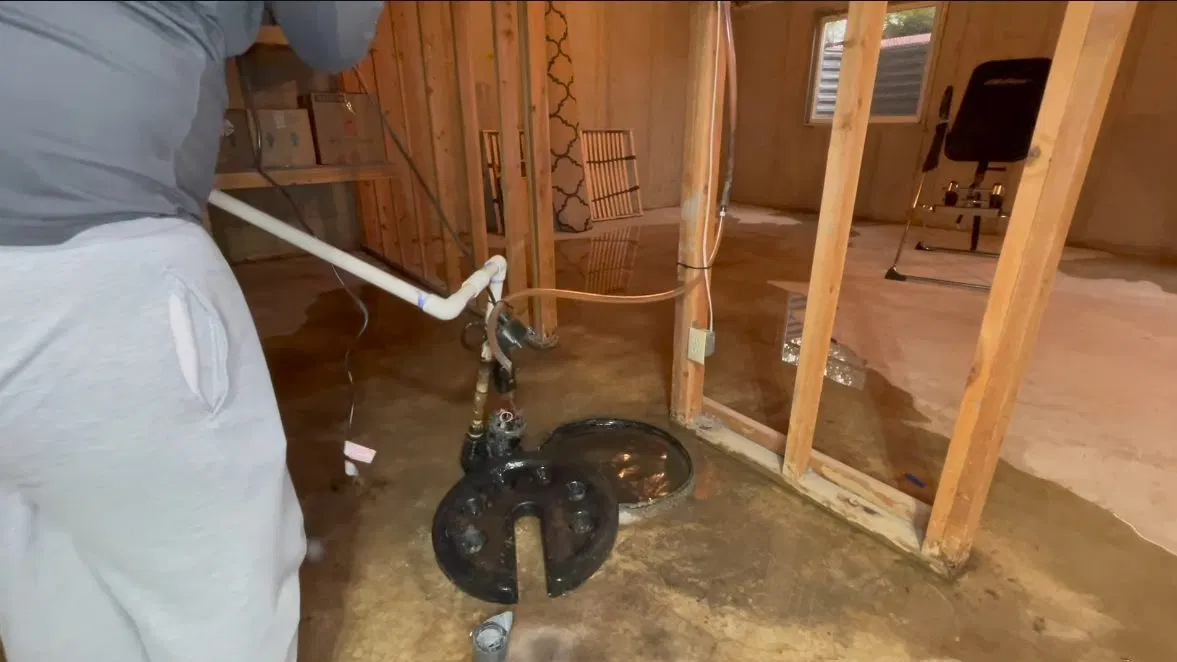
Where a pump failure has already put water into finished space, drying is a separate and time-sensitive job from the pump repair, and running both at once is what keeps the damage contained rather than letting it spread while the mechanical problem is sorted out.
Sump questions on desert properties
Mine runs constantly even when it is dry. Why?
Not normal here, and worth investigating rather than accepting. The usual causes are groundwater genuinely entering the pit, a check valve letting lifted water back in, or a float stuck in the raised position.
The check valve is the cheapest to rule out and the most common. Constant cycling shortens pump life considerably, so it is worth resolving rather than living with.
How often should it be tested?
At least once before monsoon season, and ideally once more midway through. That is the window when it will actually be called on.
Anything beyond that is optional. The point is to test on a schedule you control rather than have the storm test it for you.
Is a battery backup worth the cost?
If the pump protects finished space, yes. The storms that generate the runoff are the same storms that bring down power, so peak demand and mains failure coincide precisely when it matters most.
If the pump protects an outbuilding where flooding is an inconvenience rather than a loss, an alarm is probably the better spend.
Can I install one myself?
The pump itself is within reach of a capable homeowner. The parts that go wrong are the ones around it: pit sizing, discharge routing, the check valve, and a suitable electrical supply.
Those are also the parts that determine whether it works during a storm. Worth getting right rather than discovering during one.
What is the difference between a sump and an ejector pump?
A sump pump moves groundwater or storm water out of a pit. An ejector pump lifts waste water from a fixture installed below the drain line, so it handles sewage.
The ejector sits in a sealed, vented basin and its failure is considerably less pleasant. It deserves the same testing discipline and is neglected just as often.
The pump runs but the water is not going down. What now?
Check the discharge before the pump. A blocked, frozen or badly routed discharge line produces exactly this, and so does a check valve stuck closed.
If the discharge is clear and water still is not moving, the impeller may be obstructed or worn. Either way it is a fault worth resolving before you need it.