Priority service
Leak Detection in Cave Creek, AZ
The expensive part of a leak is almost never the repair. It is the demolition someone did looking for it. Locating comes first here, and it is a separate skill from fixing.
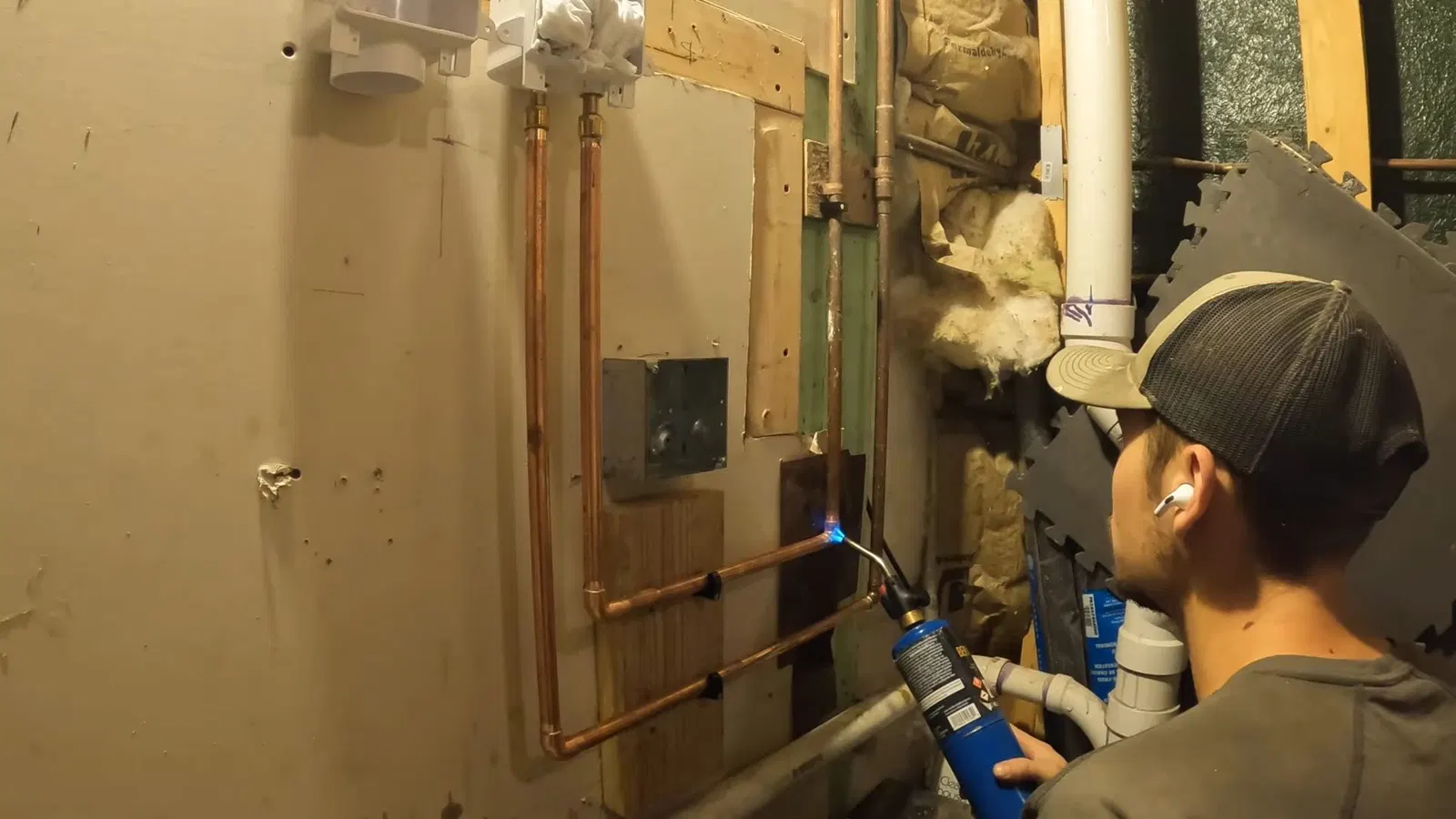
Why locating matters more on a Cave Creek property than a city lot
A leak on a quarter-acre suburban lot has maybe three plausible locations. A leak on an acreage parcel north of the Carefree Highway has far more. It can sit anywhere along a couple of hundred feet of buried line, under a slab, inside a wall, or at a pressure tank. It can also be on an irrigation run trenched in twenty years ago by someone no longer around to say where.
That difference is the whole argument for locating properly. The repair itself is often an hour of work. Finding it by digging is what turns a modest job into a week of open trench and re-landscaping, and on the large-parcel, heavily landscaped properties common in the 85331 ZIP that restoration cost frequently exceeds the plumbing cost several times over.
The other reason is that this area gives you less warning than a wetter climate does. Ground that would show an obvious soggy patch in a humid state can absorb a slow underground leak here almost invisibly, especially in summer. The first symptom is usually a bill or a pressure complaint, not a puddle.
If you are on a tank or a well
On a property running from a storage cistern or a low-yield well, the warning signs are inverted. There is no monthly bill to spike, so the tell is that deliveries are needed more often than they used to be, or that the pump cycles when nothing in the house is running. Households sometimes carry a leak for months reading it as heavier use.
If the arithmetic on the storage tank planner on the home page says your tank should last three weeks and it is lasting ten days, that gap is the leak. It is worth chasing before ordering another haul.
What the locating actually involves
Locating is a process of elimination, and each step is chosen to rule out a whole category rather than to confirm a guess.
- Isolate and pressure test. Close the house side, watch whether the system holds. A system that holds under isolation puts the fault outside the building.
- Meter check with everything off. A meter that keeps creeping with every fixture closed is direct evidence of a live leak rather than a usage question.
- Acoustic listening on pressurised lines. Water escaping under pressure makes a characteristic sound through the pipe and the ground above it.
- Thermal scanning where hot lines are involved. A hot water leak under a slab shows as a temperature signature at the surface before anything else gives it away.
- Section isolation. Closing off runs one at a time until the loss stops narrows the search to a length rather than a property.
- Camera on drain and waste lines, since a leak on the drain side behaves nothing like a leak on the supply side and is found a different way.
Which of these get used depends on what the first two rule out. A supply leak under a slab and a drain leak behind a wall present similarly to a homeowner and are found by completely different means, which is why the diagnosis is sequenced rather than run all at once.
TALK IT THROUGH FIRST
Most leak calls are settled faster on the phone than by guessing from a website. Call (480) 806-2944 and describe what you are seeing; you will get a range and a window before anyone is dispatched.
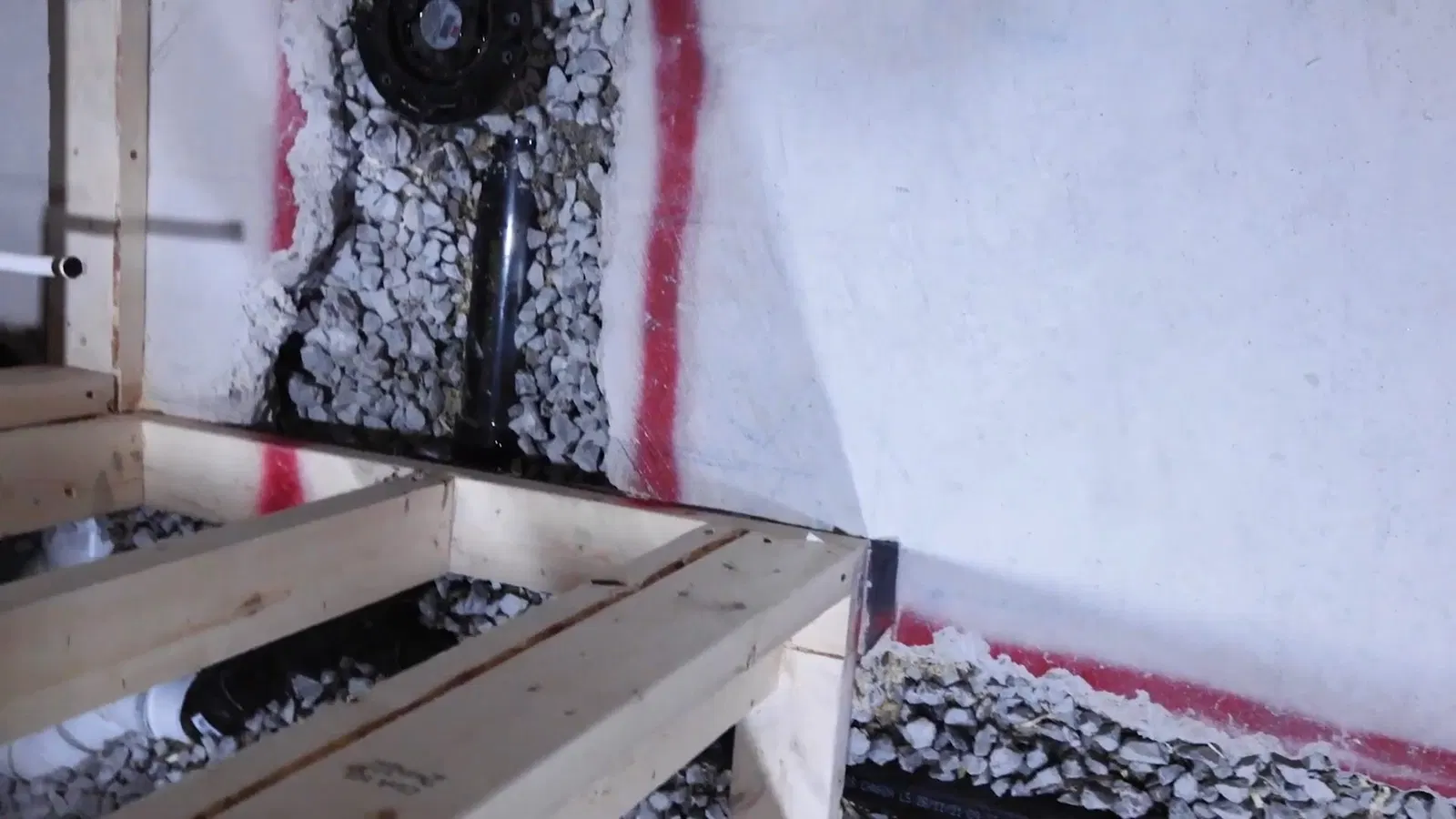
The four places leaks actually turn up on properties in this area
| Location | Usual cause here | What you notice first |
|---|---|---|
| Under a slab | Scale-thinned copper, or movement in the soil around the footing | A warm patch of floor, a running sound with nothing on, unexplained usage |
| Buried supply run to an outbuilding or well house | Age, rock in the backfill, or a trench that settled | Pressure drop at the far fixture, a pump cycling for no reason |
| Pressure tank and pump assembly | Failed bladder, lost air charge, weeping fittings | Rapid pump cycling, pressure that will not hold between draws |
| Irrigation and outdoor runs | UV damage, freeze splits on exposed line, valve seats worn by hard water | A green patch in the wrong place, or nothing at all until the bill arrives |
Two of these are unique to off-main properties
Two of those four do not exist on a standard city connection. Pressure tanks and well-house runs are specific to properties off the town main, and they are also the two most often misdiagnosed, because the symptom shows up inside the house while the fault is a hundred feet away.
The outdoor category is bigger here than in most markets as well. The rural, equestrian character of this area means drip irrigation, troughs, outdoor showers and water features are common, and every one of those is an additional buried run that hard water and desert sun are working on year round.
What it means when the leak is under the slab
A slab leak is its own category because the access problem dominates everything else. Once a supply line under a concrete slab is losing water, the choices are to open the floor at the located point, or to abandon the run and reroute it overhead or around, and that decision depends entirely on where the leak sits and what the rest of the pipe looks like.
It matters more than usual here because scale from very hard water works on copper from the inside for years before anything fails. When one pinhole appears on a line, the question a plumber is really answering is whether the rest of that run is in the same condition, because repairing a single spot on pipe that is thinning everywhere buys you months rather than years.
That is a judgment that needs the pipe in front of you, which is why slab work gets its own page and its own process rather than being folded into general leak repair. If locating points under the slab, that is the conversation you will be having next.
Before anyone arrives
A short list that genuinely helps
- Find your main shutoff and confirm it actually turns. On a well or tank system, find the pump breaker too.
- Note the meter reading with every fixture off, wait an hour, read it again. That single number saves diagnostic time.
- Photograph any damp ground, stained drywall or warm flooring before it dries or gets cleaned up.
- If water is near an electrical panel, outlet or fixture, treat that as the first problem and keep away from it.
- Write down when it started and what changed, including recent work on the property, irrigation changes or a storm.
If the leak has already soaked flooring, drywall or cabinetry, drying is a separate and time-sensitive job from the plumbing repair, and the longer the material stays wet the more of it has to come out. In that situation the restoration side runs on its own line so the two can be handled in parallel rather than in sequence.
Leak questions specific to properties around here
My bill jumped but I cannot see anything wrong. Where do I start?
Start with the meter, because it turns a suspicion into a fact. Close every fixture, note the reading, leave it an hour with nothing running, and read it again. Movement with everything off means water is leaving the system somewhere.
If the meter is static, the loss is more likely on an unmetered run, an irrigation zone, or it is genuinely usage. On the Town of Cave Creek system the supply chemistry and pressure are consistent enough that a sudden change usually has a mechanical cause rather than a supply-side one.
Can you find a leak on a property that is on hauled water?
Yes, and the method changes rather than the outcome. Without a meter, isolation and pressure testing do the work the meter would normally do: close the house side, pressurise, and watch whether the system holds.
The tank level itself becomes a diagnostic instrument. A measured drop overnight with the house side isolated tells you the loss is between the tank and the shutoff. A level that holds under isolation but drops in normal use points back into the building.
Does the hard water here actually cause leaks, or just scale?
Both, and the second leads to the first. Water widely reported in the mid to high teens in grains per gallon deposits mineral continuously on the inside of pipe and on every heated surface.
On copper, that scale layer is not uniform, and the boundaries between scaled and bare metal are where corrosion concentrates. That is the mechanism behind pinhole leaks appearing on runs that were fine for two decades. It is also the argument for treating the water rather than only the symptoms once the repair is done.
How fast does a slow leak matter in this climate?
Faster than the visible evidence suggests. Dry air and absorbent ground hide surface signs that would be obvious in a wetter state, so a leak that has been running for months can still look like nothing from above.
Inside the building the opposite applies. Wet framing and drywall in an enclosed cavity behave the same here as anywhere, and the clock on whether that material can be dried rather than removed is measured in days.
Do you need to dig or cut to find it?
Locating is deliberately non-destructive. Pressure testing, meter observation, acoustic listening and thermal scanning are all done without opening anything.
Access only gets opened once the location is known, and the point of the whole exercise is to make that opening as small and as correct as possible. Digging to search rather than digging to repair is what produces the expensive outcomes.
Is a leak an after-hours call?
It depends on whether water is still moving and whether you can stop it. If you can close the main and the property is safe, a controlled leak generally waits for a scheduled visit, which usually costs less.
If the shutoff will not hold, water is reaching electrics, or the loss is fast enough to empty a storage tank overnight, that is a call now. Describe it on the phone and you will get a straight answer about which one it is.
Losing water and cannot find it?
Describe what you are seeing, whether the meter moves with everything off, and whether you are on town water or a tank. That conversation narrows the search before anyone drives out.