Every piece of leak advice online starts with the same instruction: check your water meter. On a large share of properties around Cave Creek that instruction is useless, because there is no meter. Here is what replaces it.
The most expensive assumption in a desert water loss is that the dry air will handle it. It dries the surface, which is exactly why people wait, and it does very little for what is behind that surface.
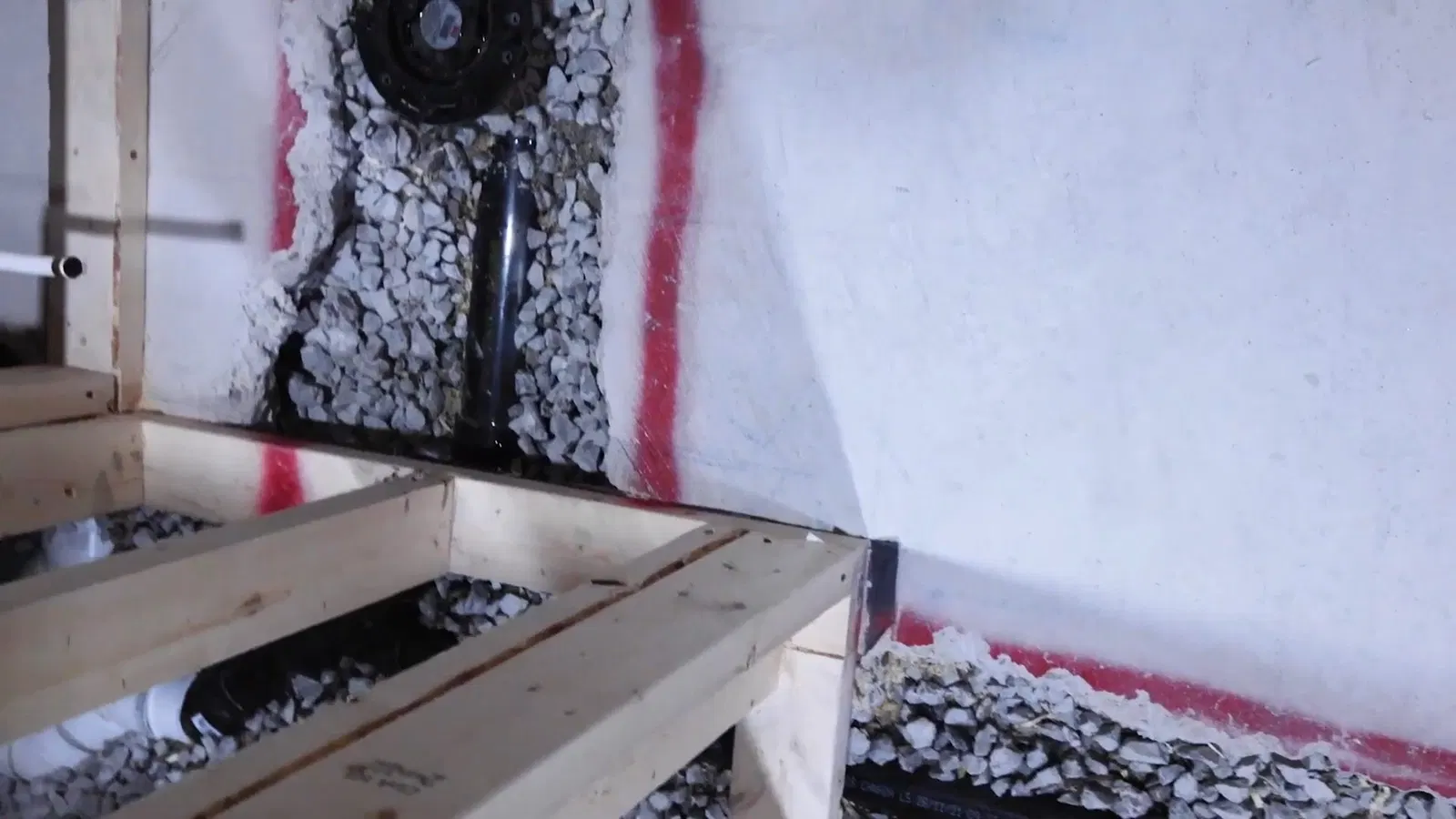
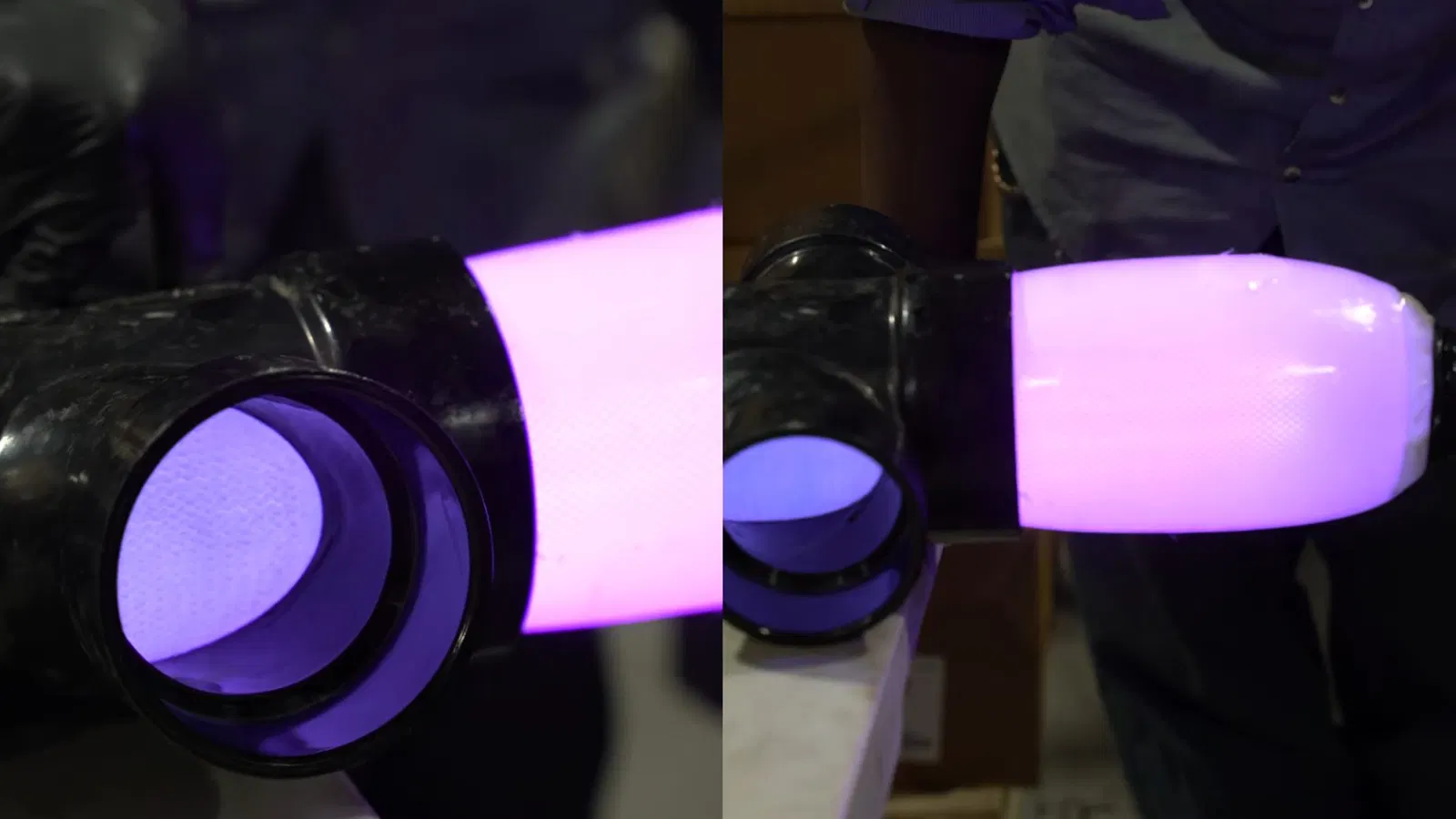
During a bathroom plumbing remodel, the fixture drain is connected to the branch line before the finished surfaces go on.
Heat travels up through concrete long before moisture does. That is why a warm patch of floor is often the first sign of a hot water line failing underneath it, and why it is worth taking seriously.
You can work out how serious a drain problem is in about two minutes, without tools, before you call anyone. It comes down to whether one fixture is slow or all of them are.
A home inspection covers a great deal. It does not usually cover the one buried line that is entirely yours to repair and completely invisible from the surface.
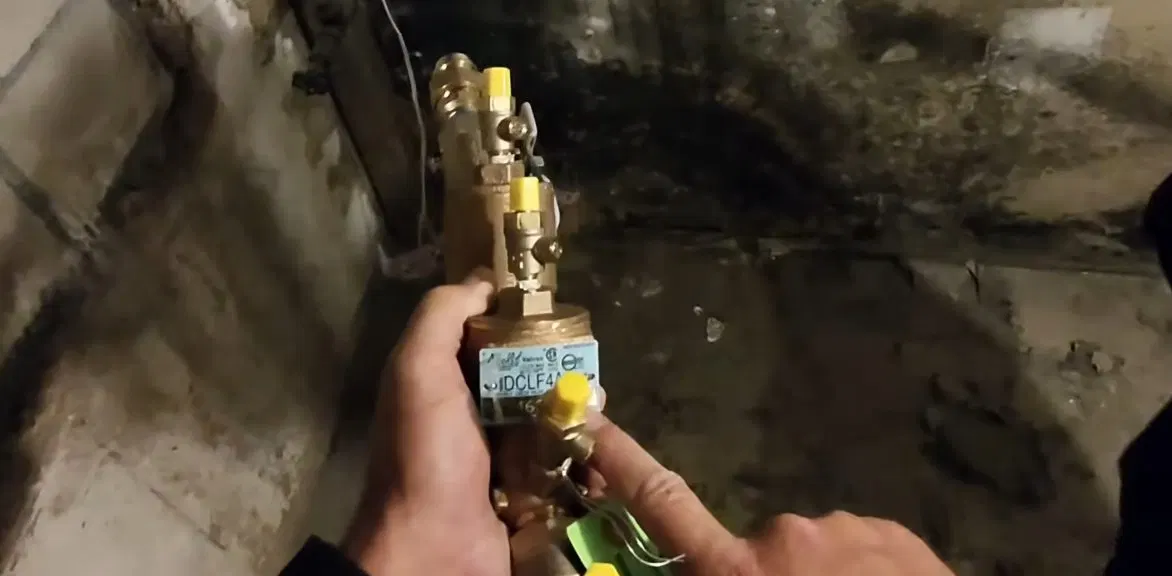
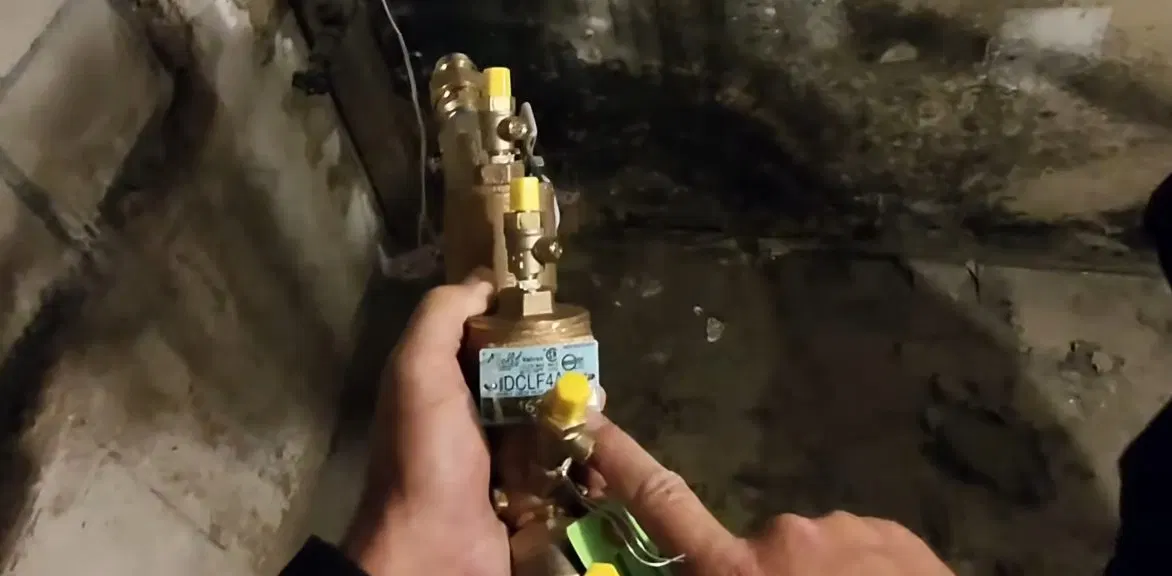
The main components of a backflow preventer installation are visible here for inspection and service.
Manufacturer service life figures assume ordinary water chemistry. Water in the mid to high teens in grains per gallon is not ordinary, and the failure mode it produces is the one that floods your garage.
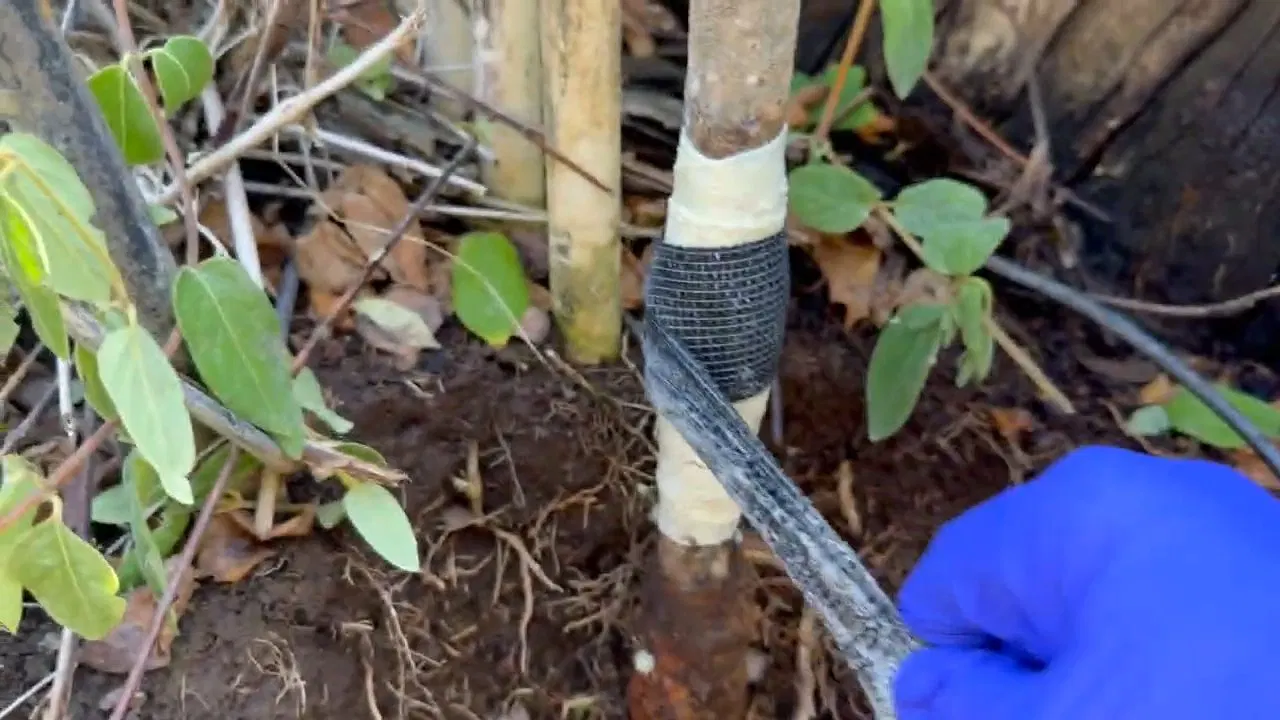
Root removal is the cheapest thing you can do about a root problem, right up until the point where it is the most expensive. Here is how to tell which side of that line you are on.
A meaningful share of no-hot-water calls turn out to be a tripped cutout or a breaker. None of the checks below require tools, and all of them are things you would be asked about on the phone anyway.
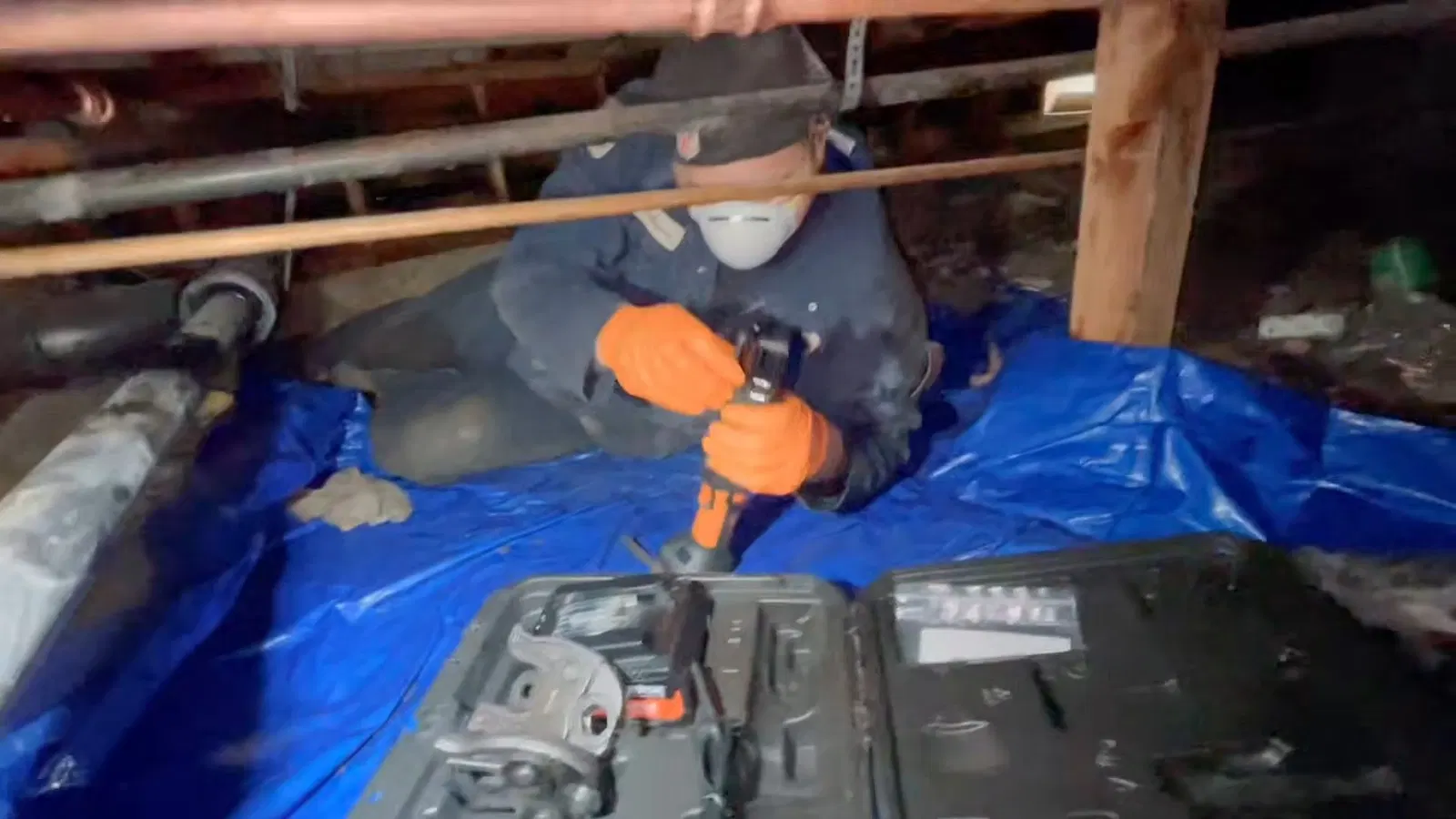
This view of a crawl-space leak repair shows the pitch that helps wastewater move through the drain by gravity.
Fixtures here fail earlier than they should, and the reason has nothing to do with the brand you bought. It has to do with what is dissolved in the water passing through them.
Filtration is the highest-volume plumbing search in this area, and the reason is not that people here are fussy. It is that the honest answer genuinely differs from one property to the next.
People replace toilets over a problem that a descaling job would have fixed. The passages that deliver water into the bowl are narrow, and in this water they close up steadily over years.
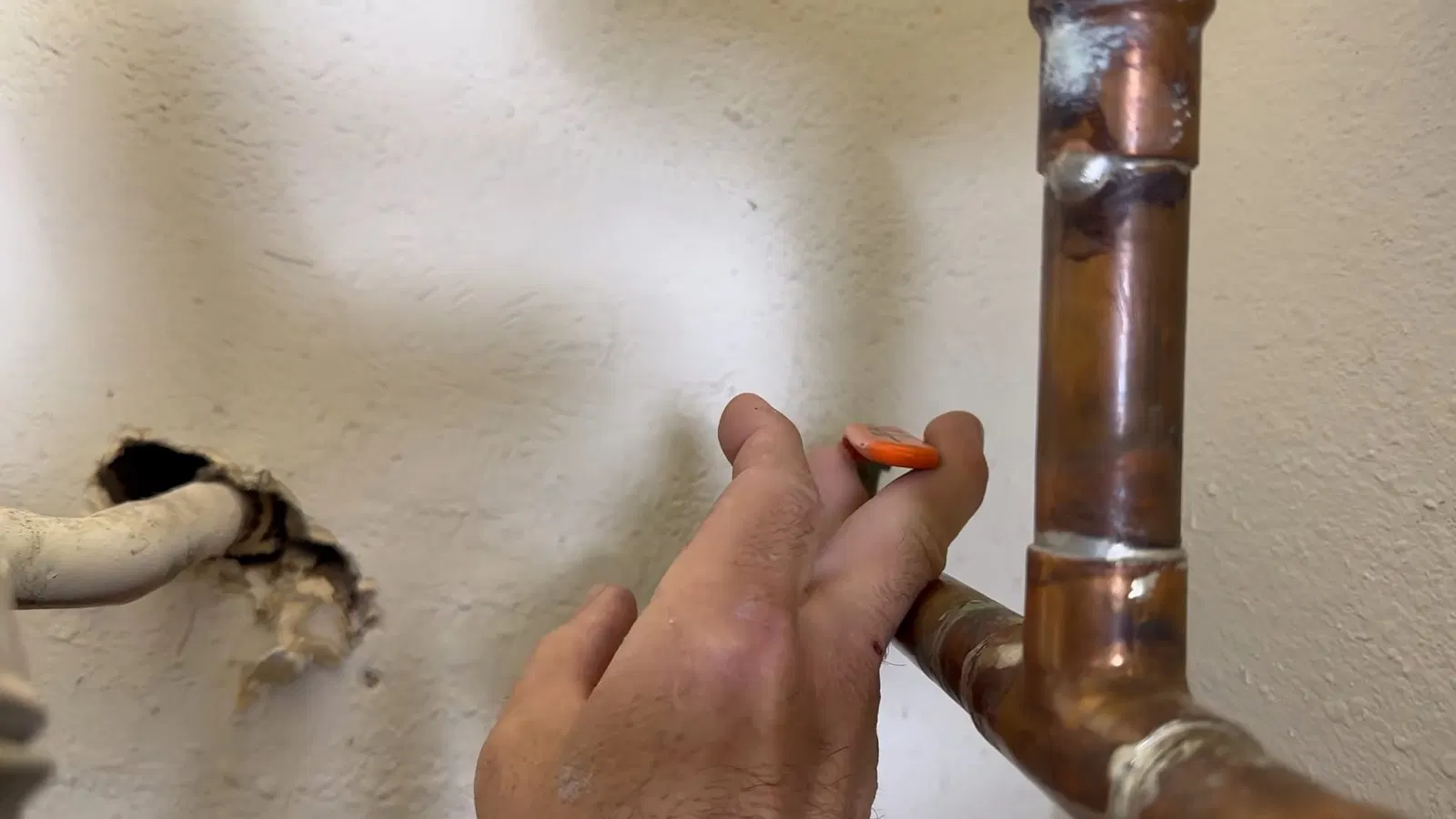
A fitting is positioned to reconnect the water line securely during a frozen-pipe repair.
These get sold as alternatives to each other. They are not the same technology and they do not produce the same result, and in water this hard the difference is noticeable.
The unit is the part people budget for. The gas line, the venting and the isolation valves are the parts that decide whether the project goes smoothly or stalls halfway through.
The appliance connection is the final link between the gas line and the equipment.
Nobody repipes a house on a whim. The decision arrives when the failures stop looking random and start looking like a system reaching the end of its life at roughly the same time.
Jetting is the right answer for a line that keeps blocking. It is the wrong answer often enough that a decent operator will sometimes tell you not to book it.
The reputation of the Sonoran Desert is heat, so freeze protection gets treated as something for other climates. This is high desert, and the properties here carry an unusual amount of exposed plumbing.
The old service pipe is exposed so its condition can be compared with the replacement.
The honest answer is that you can, plenty of people do, and it costs you something. Anyone telling you it makes no difference is not being straight with you.
In a wet climate a failing sump pump announces itself within days. Here it can sit unused for months and then be asked to work during the exact storm it was installed for.
Every commercial plumbing decision is really a trade between a predictable cost you choose and an unpredictable one you do not. Most premises never do the arithmetic.
Diagnostic equipment helps locate hidden leaks before walls or floors are opened.
Gas systems are sized for everything running at once, not for what you use over a day. That distinction is why a new appliance sometimes works perfectly and everything else stops behaving.
By the Plumbing Pros Cave Creek team
How these topics were chosen
Each article is tied to a decision someone in this area actually has to make, rather than being a general guide to a service. The difference matters: a homeowner searching at ten at night is trying to work out whether something waits until morning and roughly what it will cost, not to learn how plumbing works.
The local grounding is real rather than decorative. Water here is very hard, widely reported in the mid to high teens in grains per gallon, which changes how long water heaters last and why copper develops pinholes rather than wearing out gradually. A large share of parcels outside the town water service area run on private wells, storage cisterns or hauled deliveries, which removes the water meter that almost every piece of leak advice online assumes you have. And Arizona sets no statewide plumbing code, so the edition your work is inspected against depends on whether your address sits inside the Town of Cave Creek or in unincorporated Maricopa County.
The floor is checked for moisture patterns that may point toward a hidden leak.
Those three facts shape most of what is written here. Where an article references local history or geography, it earns its place by connecting to something you can act on rather than sitting there as colour.
Articles link out to the relevant service pages where the practical detail lives. Nothing here quotes an exact price, because a figure given for work nobody has looked at yet is a guess with a number attached. Ranges and the reasoning behind them are more useful, and that is what you will find.