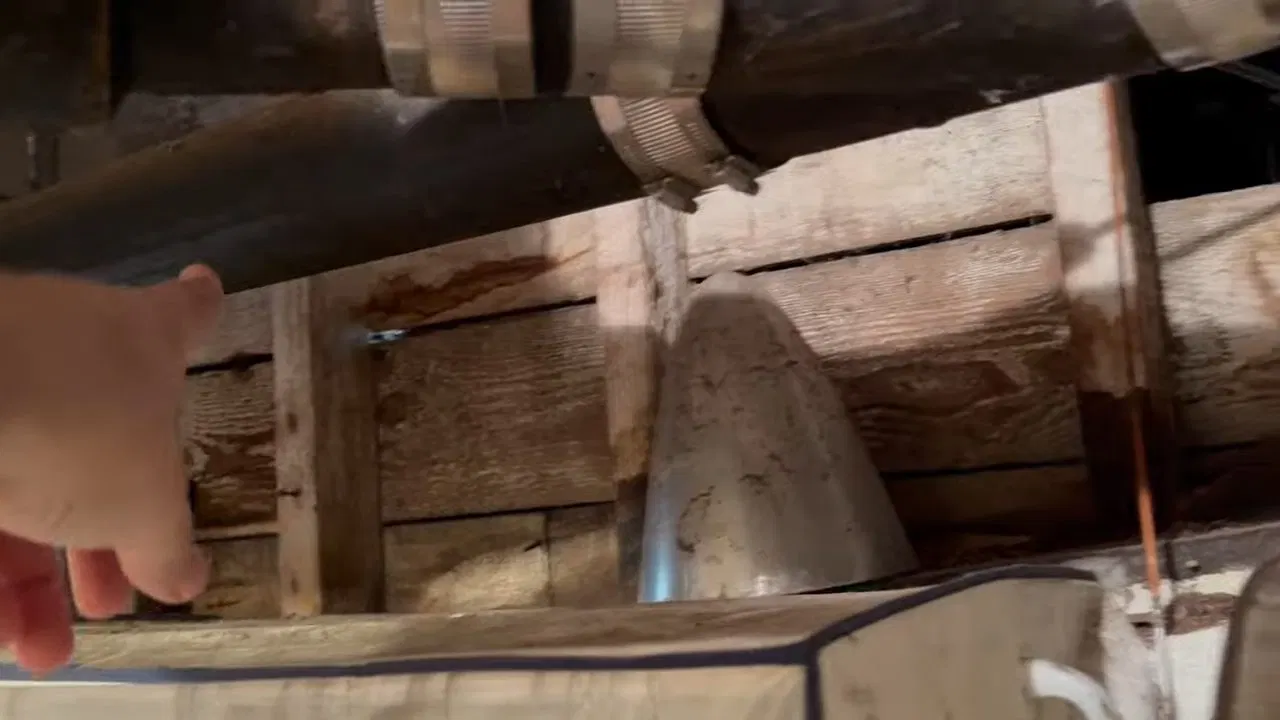
The causation runs backwards from what people assume
Almost everyone describes this the same way: roots got into the pipe and broke it. That is usually the wrong order.
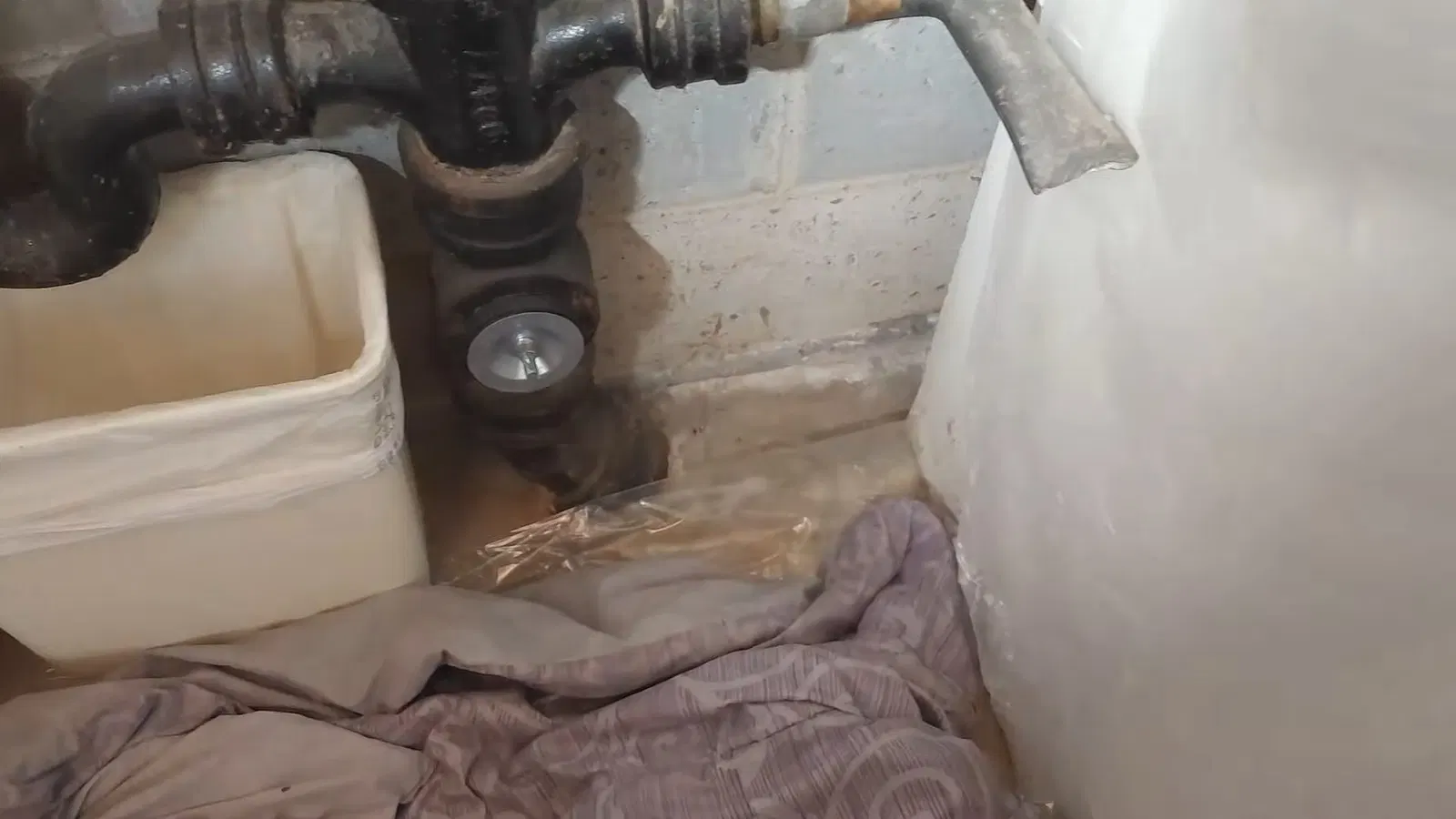
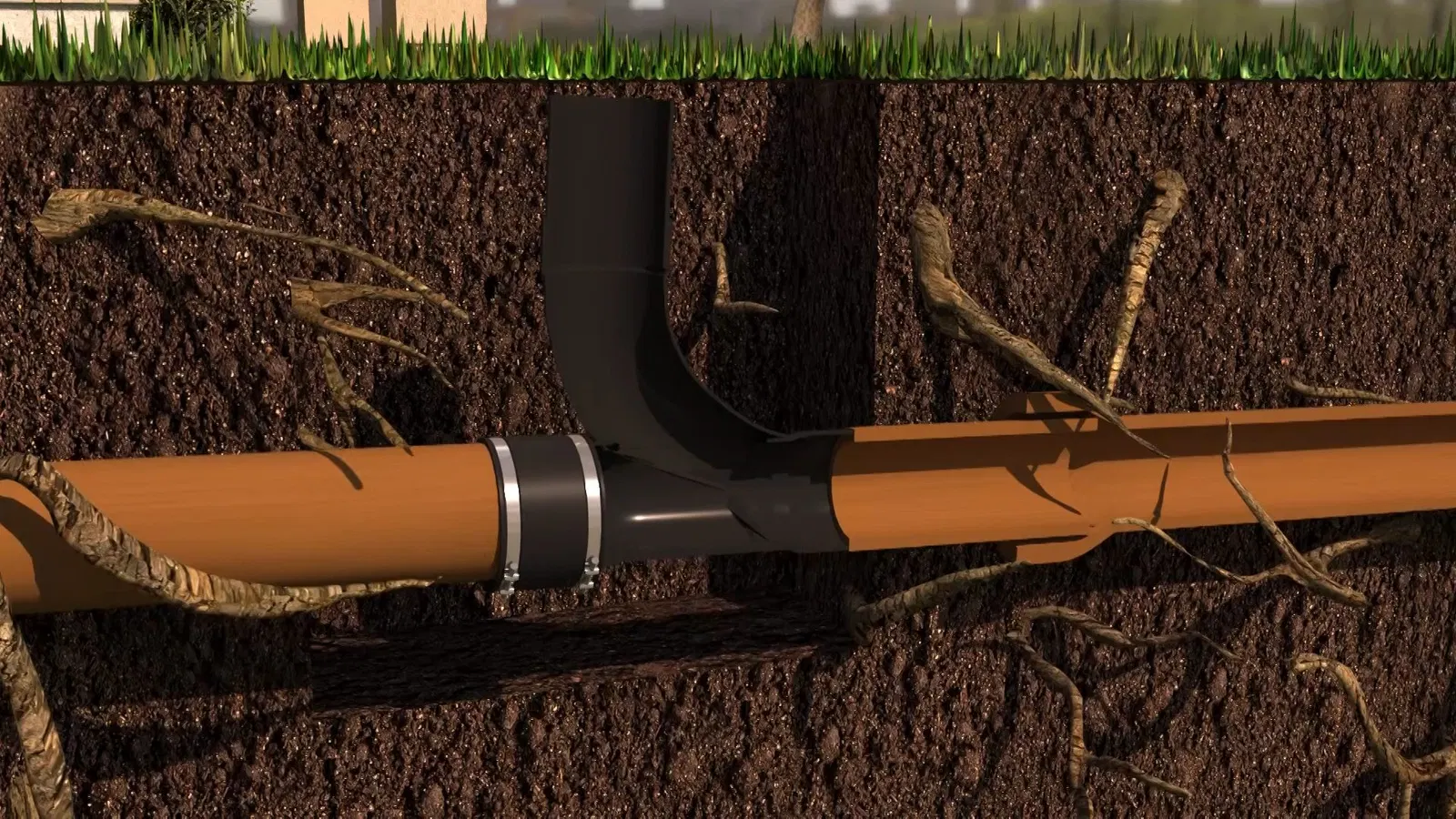
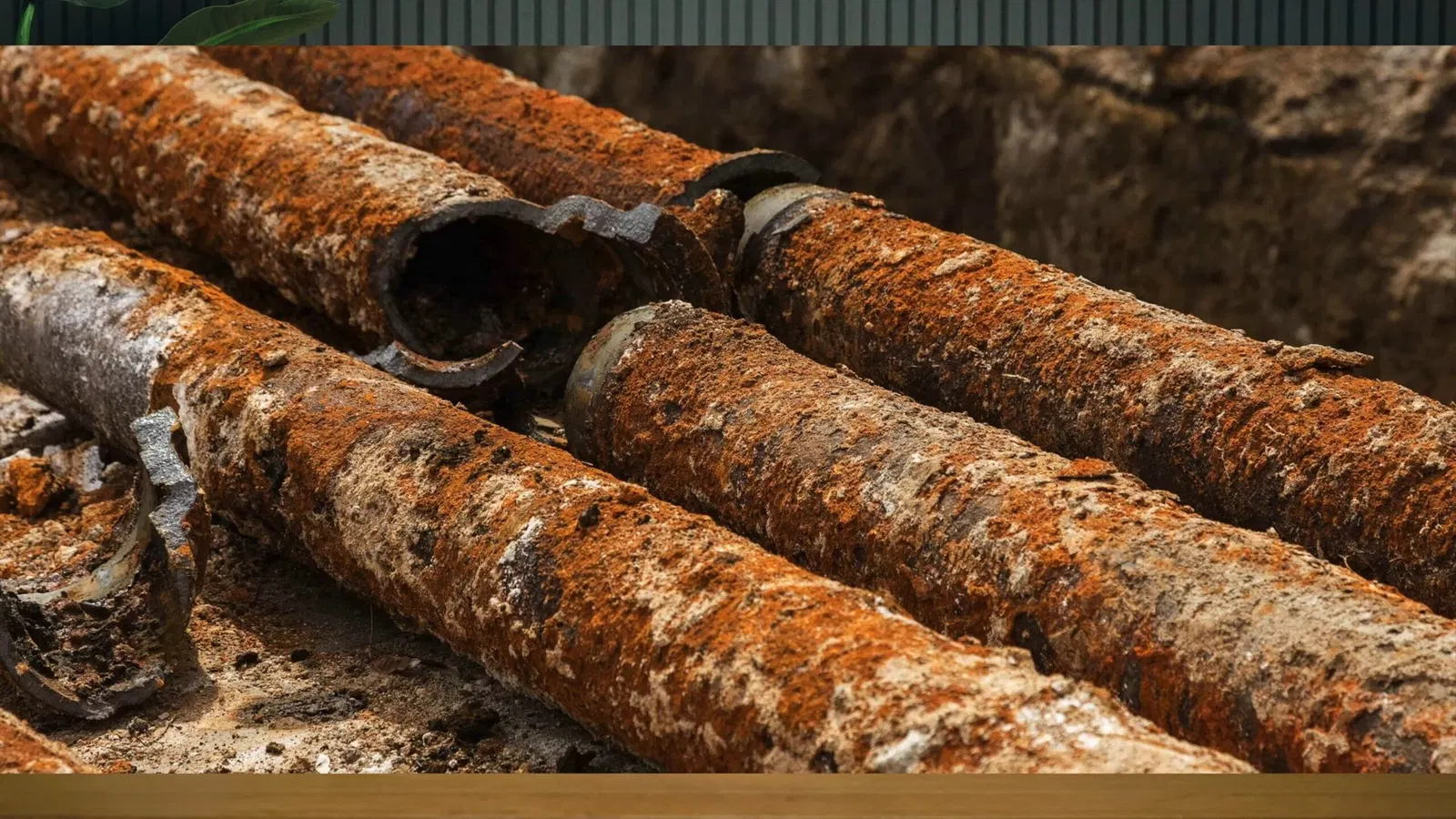
Roots rarely force their way into sound, sealed pipe. What happens is that a joint develops a small defect, from age, ground movement, or the way it was bedded when it went in, and begins weeping slightly. Roots then find that moisture, grow toward it, enter through the existing gap, and enlarge it over years as they thicken.
So the root mass is a symptom of a defect that was already there. That single fact explains why clearing never solves it permanently, and it is the thing worth understanding before you decide how to spend money on it.
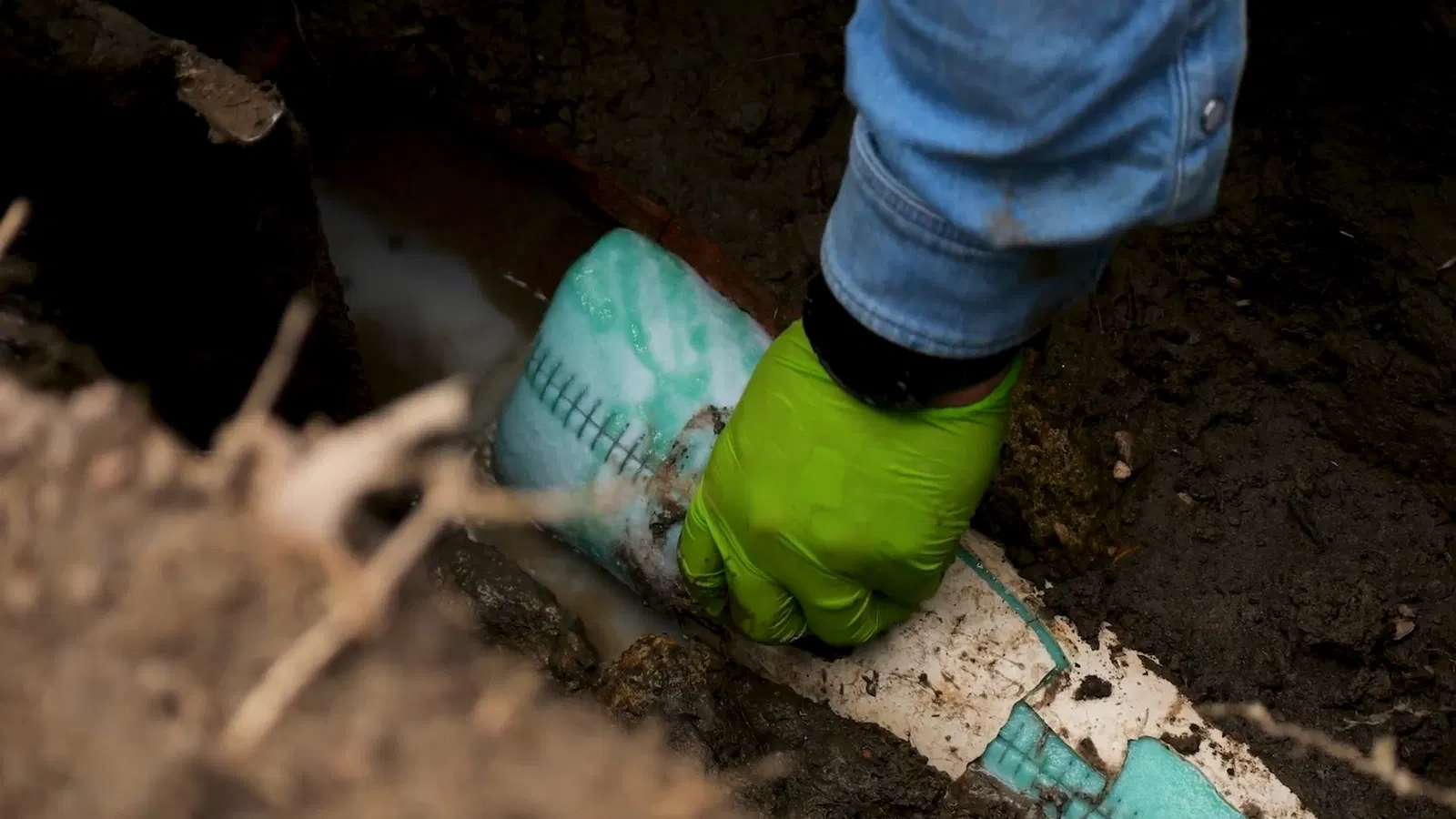
It also explains why this is a bigger problem here than the tree cover suggests. In a wetter climate, soil moisture is available in many places and a slightly leaking sewer joint is one option among many. In dry ground it is a concentrated, reliable, year-round water source, and desert species will send roots a genuinely surprising distance to reach one. The trees do not have to be near the line.
The interval is your most useful piece of data
If you have had the line cleared more than once, you already possess the most informative number available: how long it took to come back.
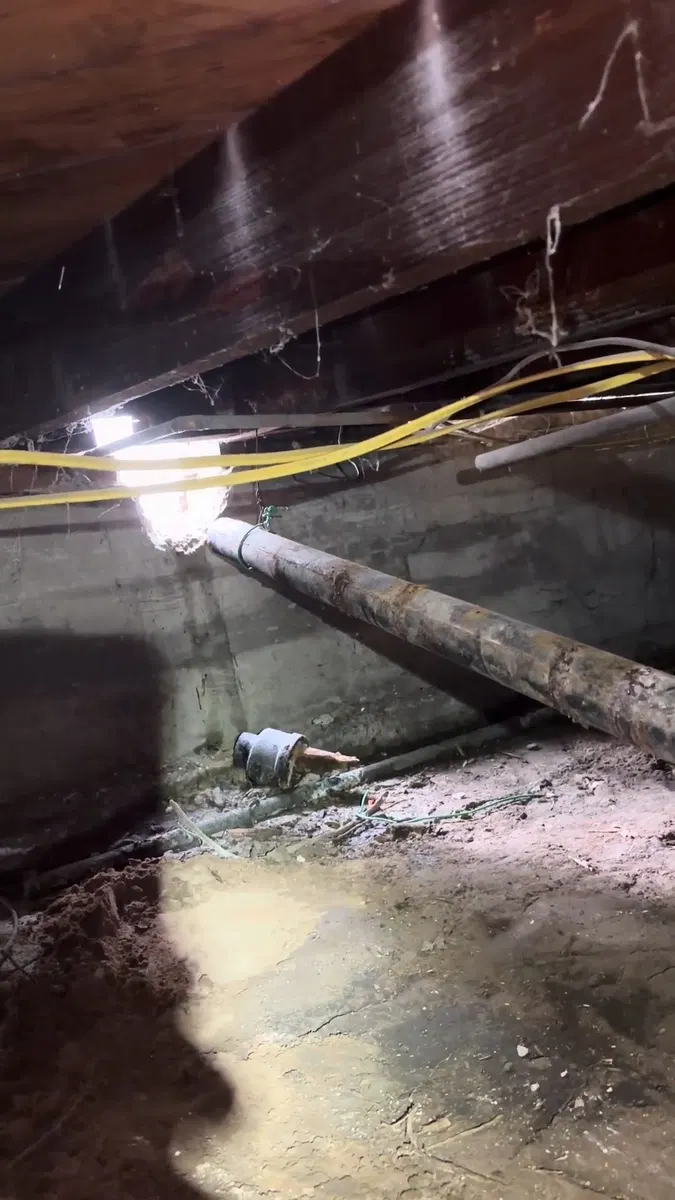
That interval is a rough proxy for how much root material is finding its way in and how many places it is entering from. A line that blocks every four or five years probably has one modest entry point. A line that blocks annually has more, or a larger one, or both.
Write the dates down if you have not. Even approximate ones. Then the comparison becomes arithmetic rather than a feeling: what does clearing cost, multiplied by how often, over the period you expect to own the property, against what a repair costs once.
Two things usually get left out of that sum and both favour repair. The first is that the interval shortens over time, because each cycle of growth and cutting leaves a slightly larger defect than before. The second is that clearings happen when the line blocks, not when it is convenient, and a blocked main on a weekend costs more than a scheduled visit.
What you are actually choosing between
| Approach | Fits when | The catch |
|---|---|---|
| Clear on a reactive basis | Long interval, one entry point, short remaining ownership | You find out it blocked by it blocking |
| Clear on a planned schedule | Predictable interval you would rather control | Still paying repeatedly for a defect that remains |
| Jet, then treat and monitor | Accumulated material as well as roots | Restores the bore properly but the entry point is unchanged |
| Repair or replace the section | Several entry points, or a short interval, or a sag as well | Largest single cost, and excavation across landscaping |
Reactive and planned clearing are not the same thing
The distinction between the first two rows is worth more than it looks. Reactive clearing and planned clearing cost roughly the same per visit, but a planned one happens on a Tuesday morning and a reactive one happens when waste water comes up in a shower tray.
If you have decided to live with a cycle rather than repair it, at least run the cycle deliberately. Book it slightly ahead of when you expect trouble rather than waiting for the trouble to book it for you.
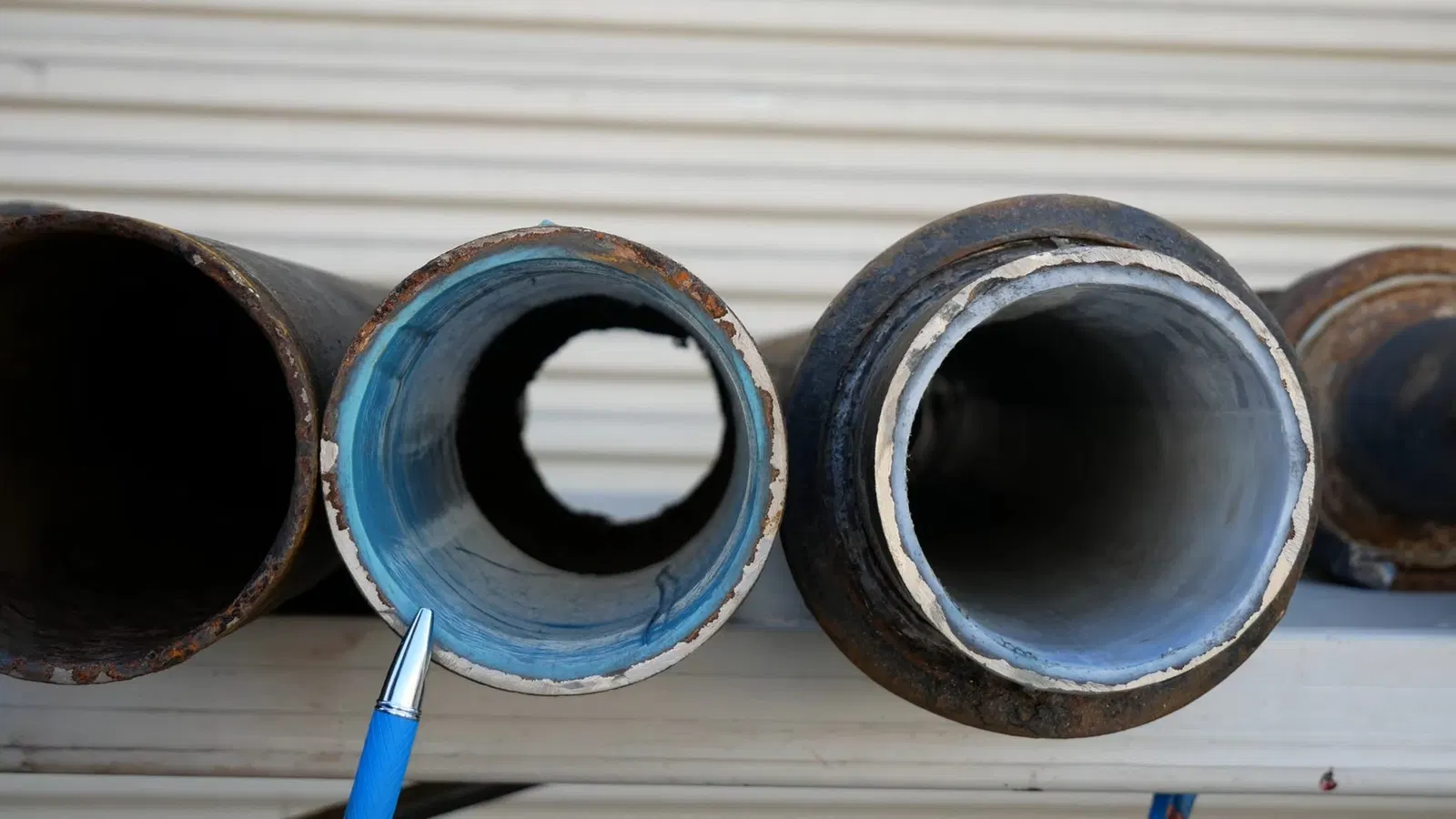
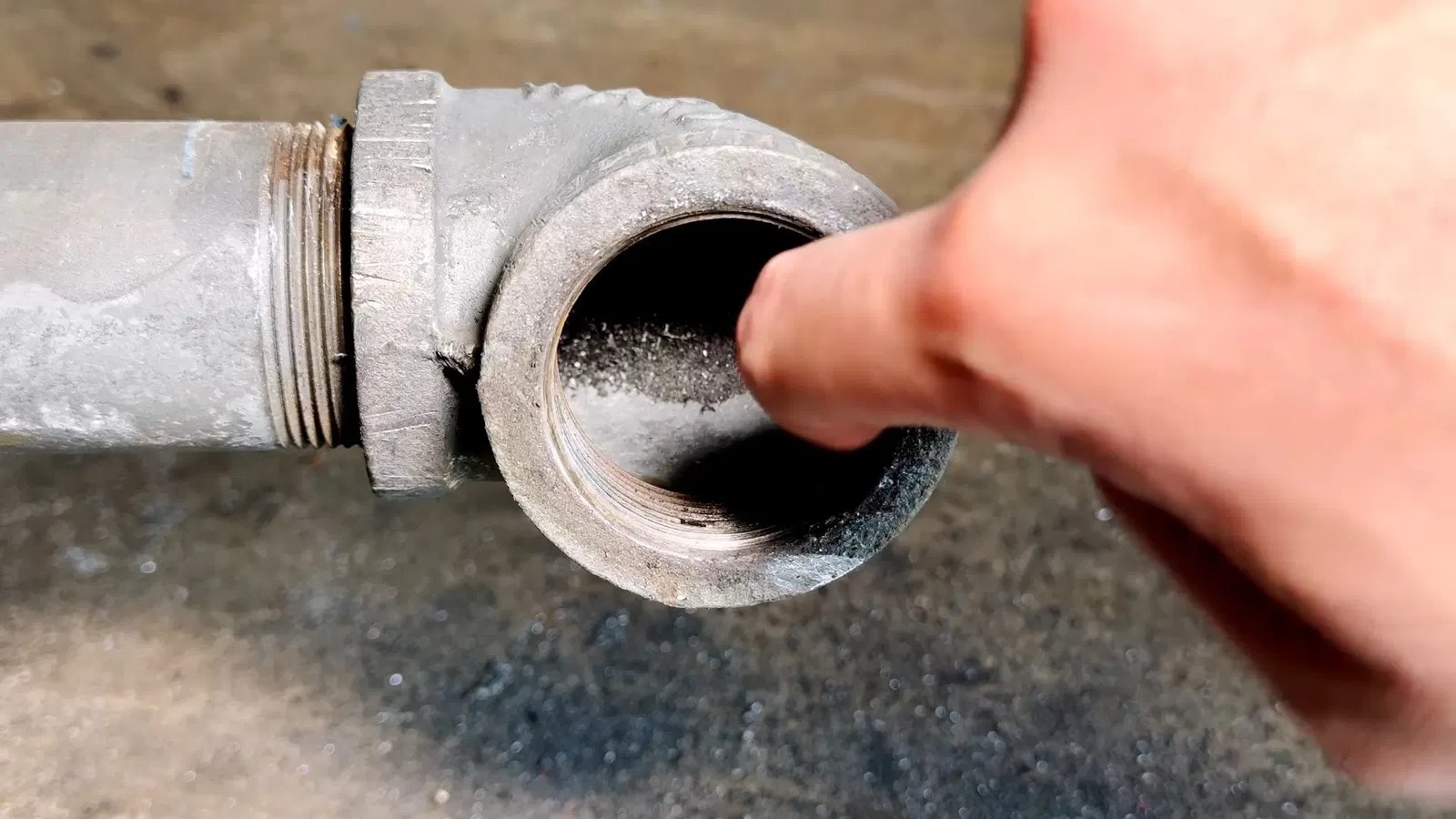
The third row matters because cabling and jetting do different things. A cable cuts a path through the mass and leaves the pipe wall coated. Jetting scours the wall back and flushes the debris out, which genuinely extends the interval even though it does not repair the joint.
STUCK ON THIS ONE?
Six entry points along a hundred feet is a different decision from one. Call (480) 806-2944 and you will get a range and an arrival window before anyone is dispatched.
Why the geometry here changes the sum
The comparison above works anywhere. What tilts it locally is how far the pipe runs and who owns it.
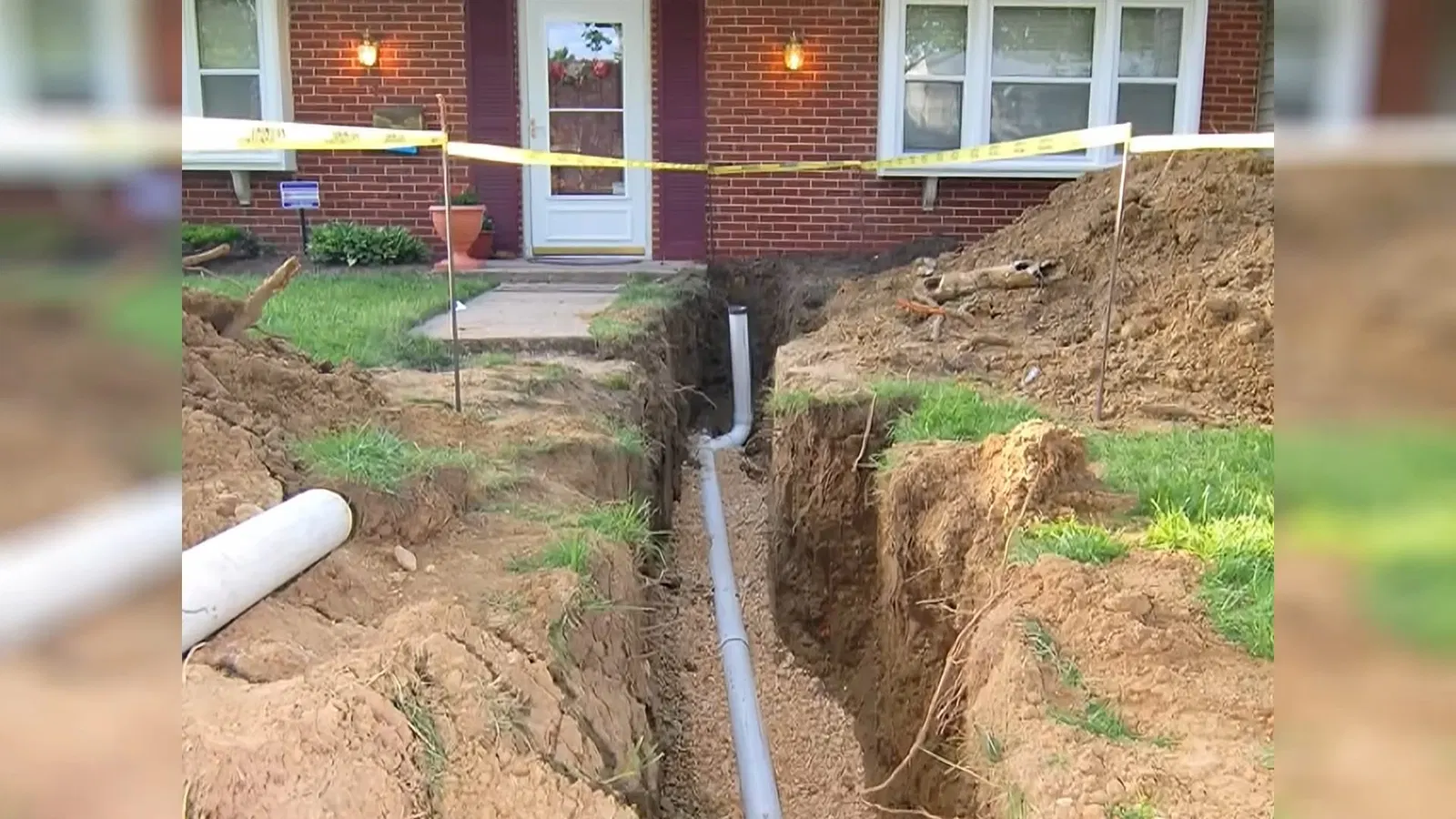
On a compact suburban lot the private run is short, the house sits near the street, and a defect is close to the surface and easy to reach. On the parcels typical around Cave Creek, private runs are measured in hundreds of feet. Every extra foot is another possible entry point, and a defect halfway along is meaningfully more expensive to reach than one near the building.
It is also entirely yours. There is no shared responsibility for the section that matters and no utility crew coming out for it. On septic, which describes a large share of properties outside the town core, the entire system from the fixtures to the drain field is the owner's.

Ground conditions add to it. Excavation here can run into caliche and rock, which slows the work and is a common source of variation between an estimate and a final invoice. Worth raising explicitly when you get a quote rather than discovering it as a change order.
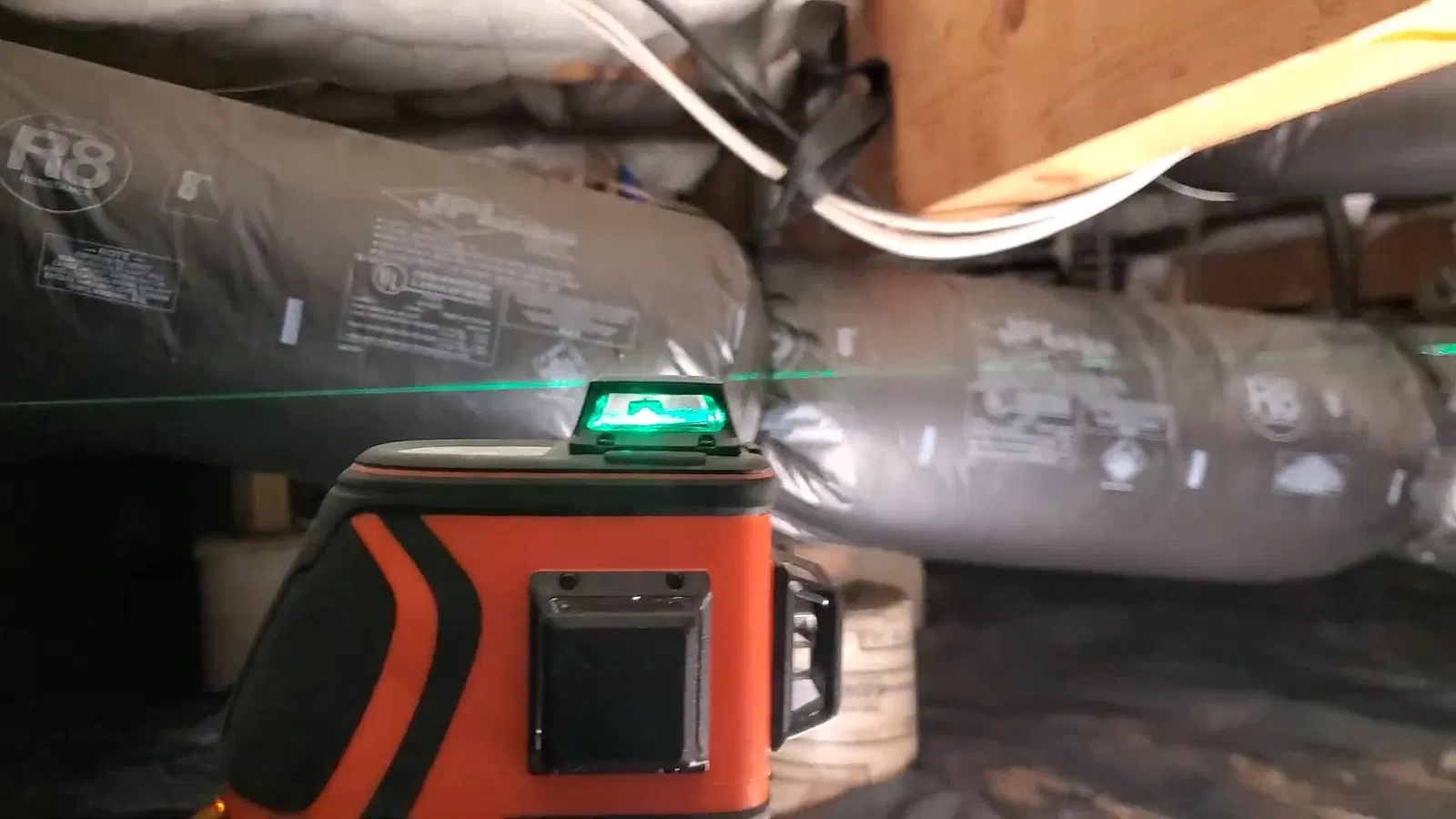
None of that argues against repair. It argues for knowing exactly where the defect is before anyone digs, which is what a camera run with a locator gives you: a marked point on the surface with a depth reading, rather than a trench that searches.
What the footage tells you that the blockage does not
A blockage tells you the line stopped working. It tells you nothing about why, how many defects there are, or whether the pipe is otherwise sound. Those are the three things that decide what to do next.
One entry point on otherwise good pipe genuinely can be managed by clearing for years, and there is no shame in choosing that. Several entry points along a run means the joints are failing as a group, which usually means the whole section is reaching the end of its service life and clearing is a slow way of spending more than replacement would cost.
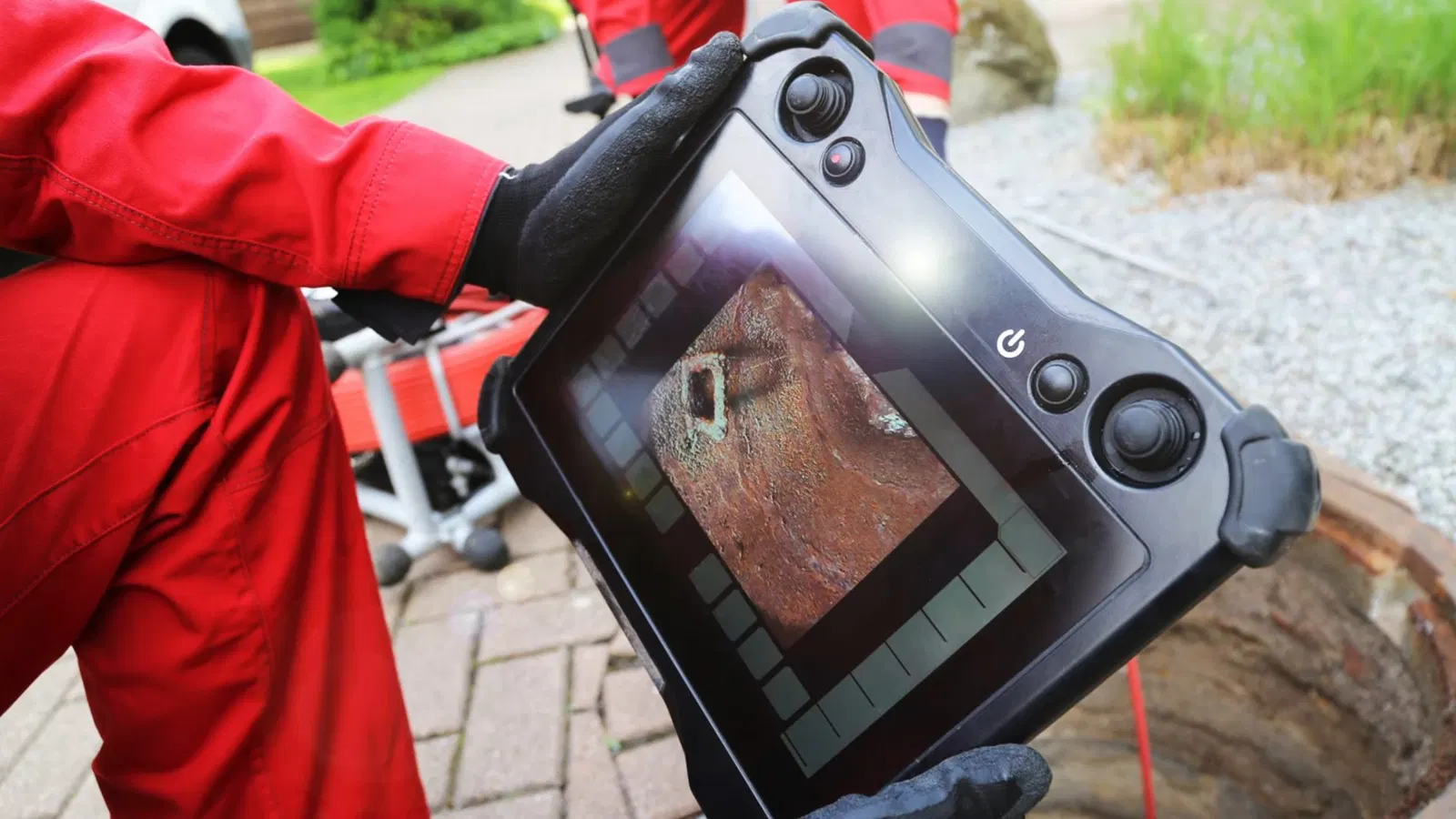
The camera also finds the things that are not roots at all and would never respond to clearing. A sag where the ground settled under the pipe collects solids at a low point and will keep doing so however often it is cabled. An offset joint does the same. Even mineral scale narrowing the bore, which happens on the drain side here because the water is so hard, produces recurring blockages that look like a root problem from the fixtures.
Never agree to a line replacement without seeing the evidence for it. A replacement quote produced without footage is a guess with a number attached, and it is one of the largest plumbing bills most owners will ever face.
If you do repair it, the things worth settling first
- Whether the fix is a spot repair, a section replacement or a full run. The footage should make that obvious rather than being a judgement call.
- Whether trenchless lining is an option. It needs the host pipe to be reasonably continuous and straight, so a collapse or a bad sag rules it out, but it can save a trench across established landscaping.
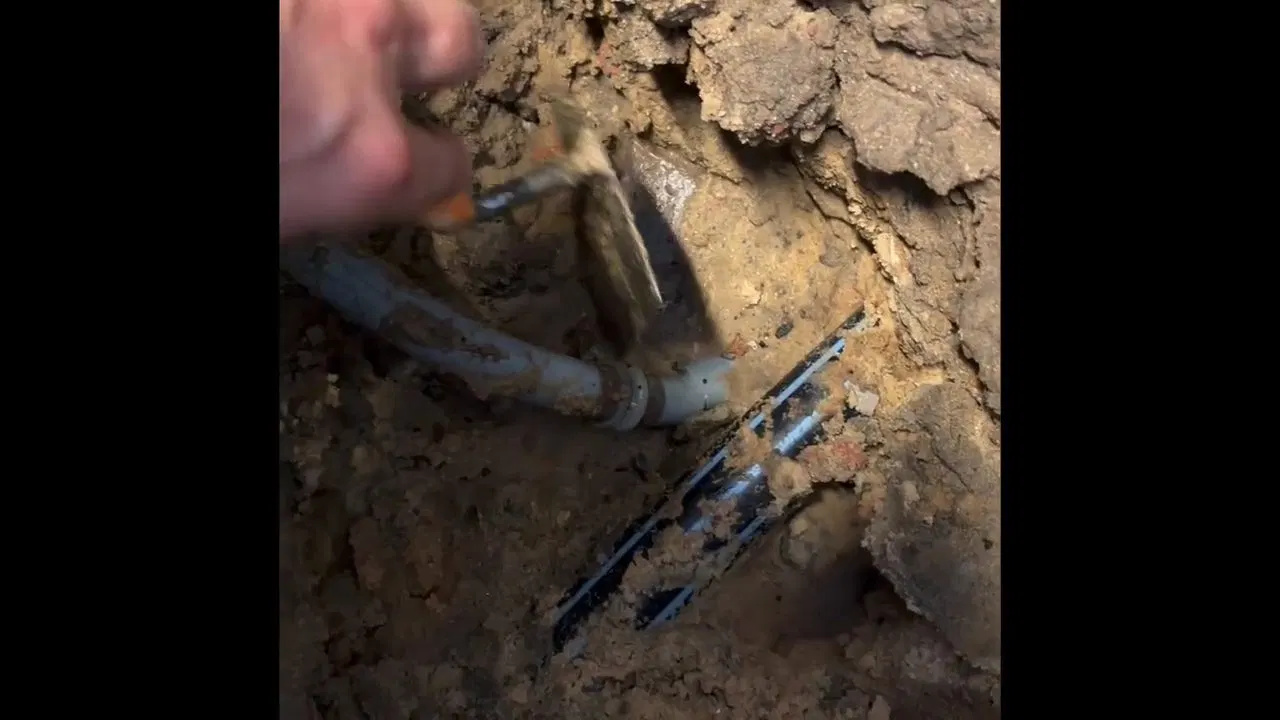
- The route, marked on the surface with depth, so the trench follows the pipe rather than hunting for it.
- Surface reinstatement, quoted explicitly. Replacing pipe is predictable; putting back a driveway or mature planting is where estimates diverge most.
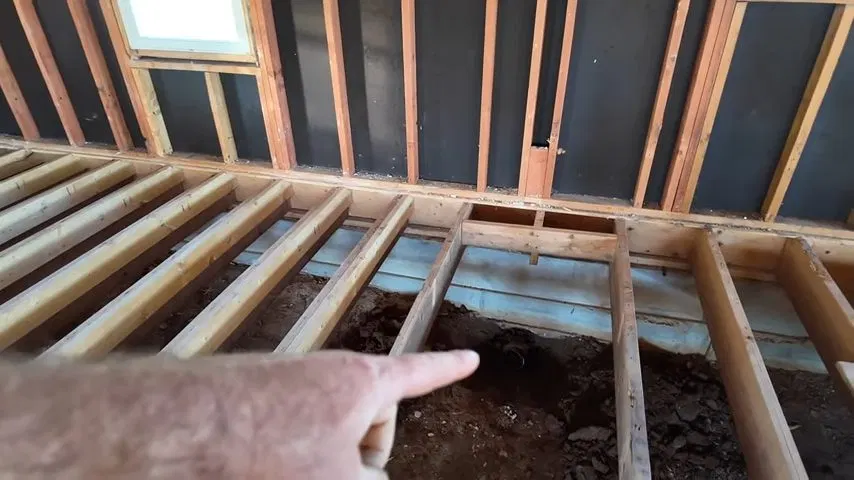
- Bedding and compaction for the new pipe, since inadequate bedding is what creates the next sag.
- Permitting, which goes to the Town of Cave Creek inside town limits and to Maricopa County Planning and Development for unincorporated parcels.
On a septic property there is an extra layer worth raising early. Maricopa County's Department of Environmental Services regulates onsite wastewater systems, and a submittal has to identify every wash, drainage easement and floodway boundary on the parcel. On land crossed by washes, which is a great deal of this area, that can genuinely constrain where a replacement line or field may go.
It is a planning-stage question, not a mid-excavation one. The service page covers the repair options in more detail if you are weighing a specific quote.
Questions about recurring root blockages
Will a root killer product solve this?
Chemical root treatments can slow regrowth inside the pipe, and they have a place as part of a managed cycle. They do not repair the defect the roots come through.
Treat them the way you would treat clearing: something that extends an interval rather than something that ends it. On septic, check what any product does to the bacterial process before putting it down a drain.
Do I have to remove the tree?
Usually not, and it often would not help. Roots travel a long way toward a reliable water source in dry ground, so the tree responsible is frequently not the nearest one, and removing it does not seal the joint.
Sealing the entry point is what stops the cycle. That is a pipe decision rather than a landscaping one.
How much warning do I get before a full blockage?
Often some, if you know what to listen for. Gurgling from one fixture when another drains, slow drainage that comes and goes, or a smell outdoors along the line route are all early signals.
The trouble is that they are easy to ignore because the line still works. By the time it stops working entirely, waste water goes to the lowest opening in the building.
Is jetting safe on an older line with roots?
It depends on the pipe, which is exactly why inspection comes first. Sound pipe handles it without difficulty; pipe that is already cracked or badly offset is a different matter.
On older cast iron or clay runs, looking before jetting is basic care rather than an upsell. A competent operator will tell you if the line is not a candidate.
Does homeowners insurance cover sewer line repair?
Often not for the pipe itself, though policies and endorsements vary and some cover resulting damage. It is genuinely your insurer's answer rather than a contractor's.
Worth checking before you need to, particularly on a property with a long private run, because the exposure here is larger than on a typical suburban lot.
Should I just replace the line preemptively?
Rarely worth it with no evidence of a problem. Pipe that is sound and clearing normally does not need replacing on a schedule.
The case changes with a documented pattern: repeat blockages, multiple entry points on camera, or a sag. At that point you are not replacing preemptively, you are replacing in response to evidence.