Leak Detection
Pressure loss, a meter that will not settle, damp ground with nothing running. Finding it without opening the whole slab.
Leak Detection in Cave Creek →Top services
Cave Creek and the north valley
Out here, water is something you keep track of. Whether it arrives through the town main, a well casing or the back of a truck, the plumbing that moves it around your property is the part that fails first, and usually at the worst hour.
Shut the supply if you can reach it safely, then call. Describe what you are seeing and you will get a straight answer about whether this waits until morning.
Planning tool
Plenty of properties north and east of town run on a well with a storage tank behind it, or on hauled water alone. The question that decides whether you run dry is not tank size on its own, it is tank size against how many people are drawing from it.
Roughly how long that lasts
10 to 18 days
Loading.
A planning guide built on typical per-person household use of about 45 to 80 gallons a day. It is not a measurement of your property, and it assumes nothing is leaking.
The number this produces is only as good as the assumption that nothing is leaking. If the tank is emptying faster than the arithmetic says it should, that gap is usually a plumbing fault rather than heavy use, and tracing where the water is going costs far less than another emergency delivery.
What we get called for
Twenty service pages, ordered by what actually generates calls in this ZIP rather than by what reads well in a list. These six come up most often.
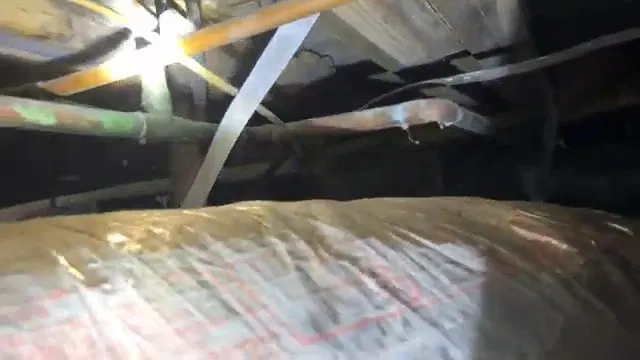
Pressure loss, a meter that will not settle, damp ground with nothing running. Finding it without opening the whole slab.
Leak Detection in Cave Creek →Extraction and drying after a supply line, water heater or drain failure, on its own dedicated line.
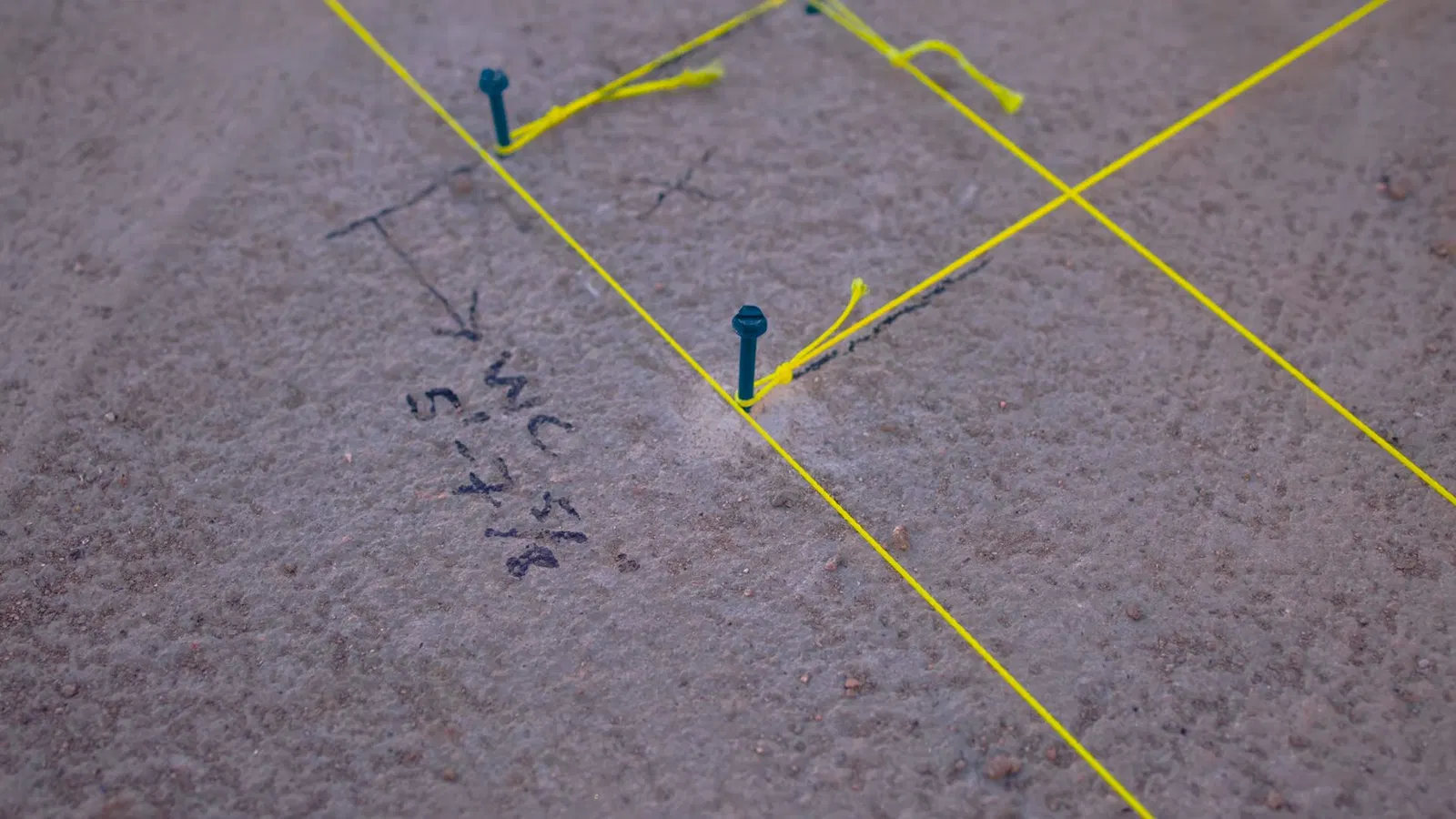
Water Damage Restoration in Cave Creek →Warm spots, unexplained bills, hairline cracks. Post-tension slabs need locating before anyone cuts.
Slab Leak Repair in Cave Creek →One slow fixture is local. Everything slow at once is downstream, and that changes what the fix costs.
Drain Cleaning in Cave Creek →Sizing for a household on very hard water, where scale decides how long the next one lasts.
Water Heater Installation in Cave Creek →The single most requested job in this ZIP, and the one that protects everything else.
Water Softener Installation in Cave Creek →Which building authority covers your address matters more here than it does in a city, because Arizona sets no statewide plumbing code and adoption is left to individual towns and counties. Property inside the Town of Cave Creek is permitted by the Town, which adopts the International Plumbing Code (IPC) by reference and moved onto the 2024 International Codes at the start of 2026. Unincorporated parcels go through Maricopa County, which enforces the 2018 IPC and the 2017 National Electrical Code (NEC). Neighbouring properties can genuinely be held to different editions.

The full set runs from jetting a root-blocked line through to gas line work, and you can see all twenty in priority order if what you need is not above.
Local conditions
Four things about Cave Creek change how plumbing is specified, installed and repaired here, and all four show up in the call log.
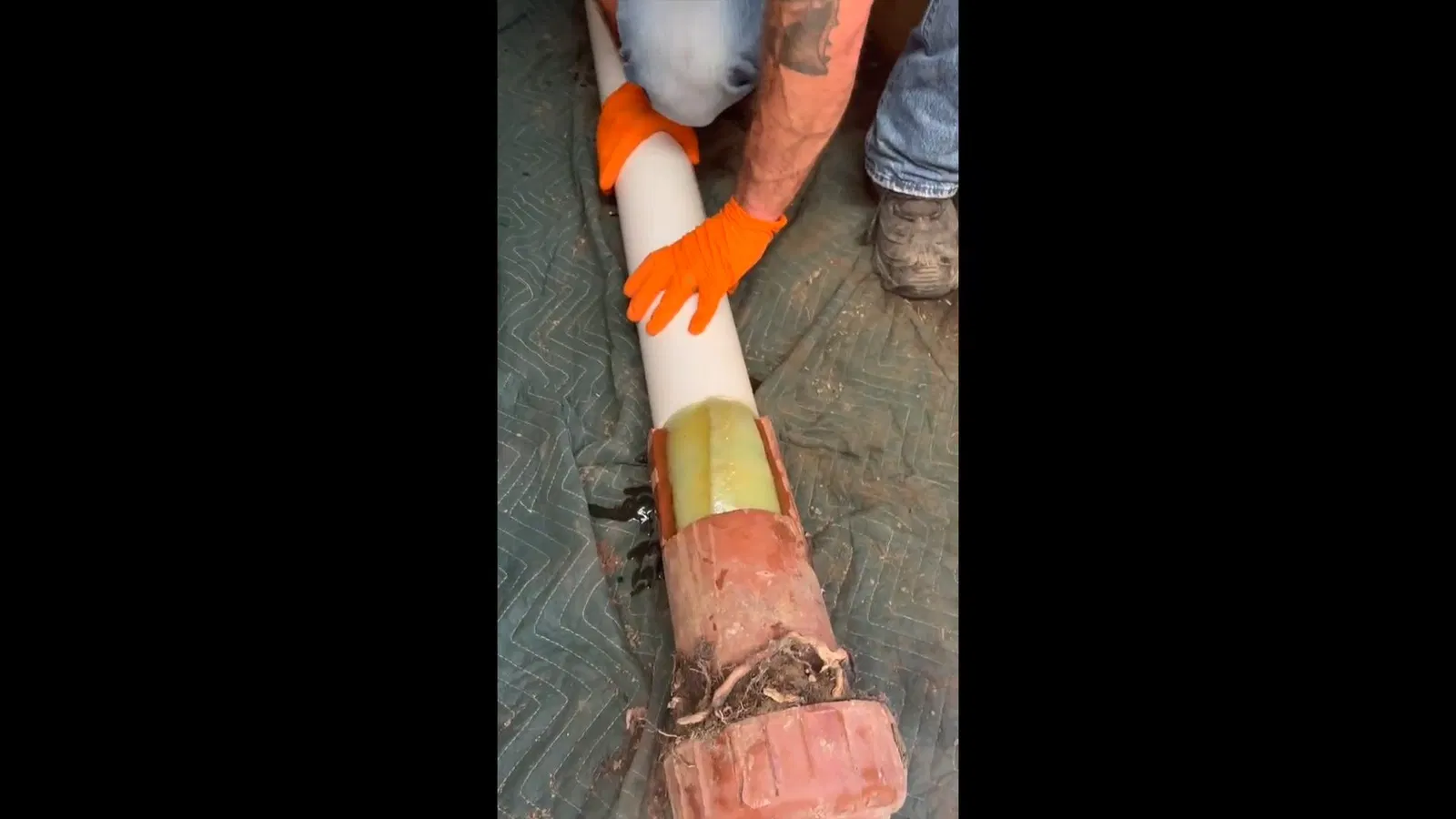
The Town of Cave Creek runs on Colorado River water delivered through the Central Arizona Project, pulled from the canal at Deer Valley Road and pumped roughly twelve miles to the treatment plant on Basin Road. That is a long, engineered supply chain for a town this size, and it means municipal pressure and chemistry are consistent in a way well water never is.
Water here is very hard, reported in the mid to high teens in grains per gallon, well above the ten grain mark where scale starts costing money. Well supplies in the surrounding county can run harder still, sometimes with iron or manganese depending on depth. Scale is the quiet reason water heaters and fixtures fail early in this ZIP.
Plenty of parcels outside the town water service area draw from a private well, and some buffer a low yield well with a storage cistern or rely on hauled deliveries. That adds pressure tanks, booster pumps and level controls to the list of things that can fail, none of which exist on a municipal connection.
The 85331 ZIP covers roughly 112 square miles. Service calls involve real driving, and the washes that cross it flood fast in monsoon season. Maricopa County warns that six inches of moving water will knock a person over. A septic permit here has to identify every wash and floodplain boundary on the parcel for that reason.
Before you dial
No form, no callback queue, no booking widget. A conversation, then a window, then a price range before anyone is dispatched.
What is happening, where, and whether water is still moving. If you are on a well or a tank rather than town water, say so early, because it changes the likely cause before anyone leaves.
A realistic one for the distance involved. Travel across this area is factored into the quote up front rather than appearing afterward as a surprise line.
A range for that category of work, given before dispatch. Exact numbers come after someone has actually seen the problem, because anything quoted sight unseen on a slab leak is a guess.
Where we work
The incorporated town is small. The service area is not, because the housing around it is spread across large parcels in every direction.
| Area | Typical water supply | What that changes for plumbing |
|---|---|---|
| Cave Creek town limits | Town of Cave Creek treated CAP water | Consistent pressure and chemistry; scale is the main long-term issue |
| Carefree | Carefree Water Company, groundwater based | Separate utility, separate meter rules, historically arsenic-managed wells |
| Desert Hills | Town-owned system, three wells plus CAP interconnect | Mixed supply, so hardness and treatment needs vary by season |
| Outlying parcels | Private well, cistern or hauled water | Pressure tanks, booster pumps and level controls all become failure points |
Carefree sits two miles up the road and draws from a different utility on a different aquifer history, which is enough of a difference that it gets its own page.
Asked locally
Yes, and it is a large share of the work. Parcels outside the Town of Cave Creek water service area commonly run on a private well, sometimes with a storage cistern buffering a low-yield well, and sometimes on hauled deliveries alone.
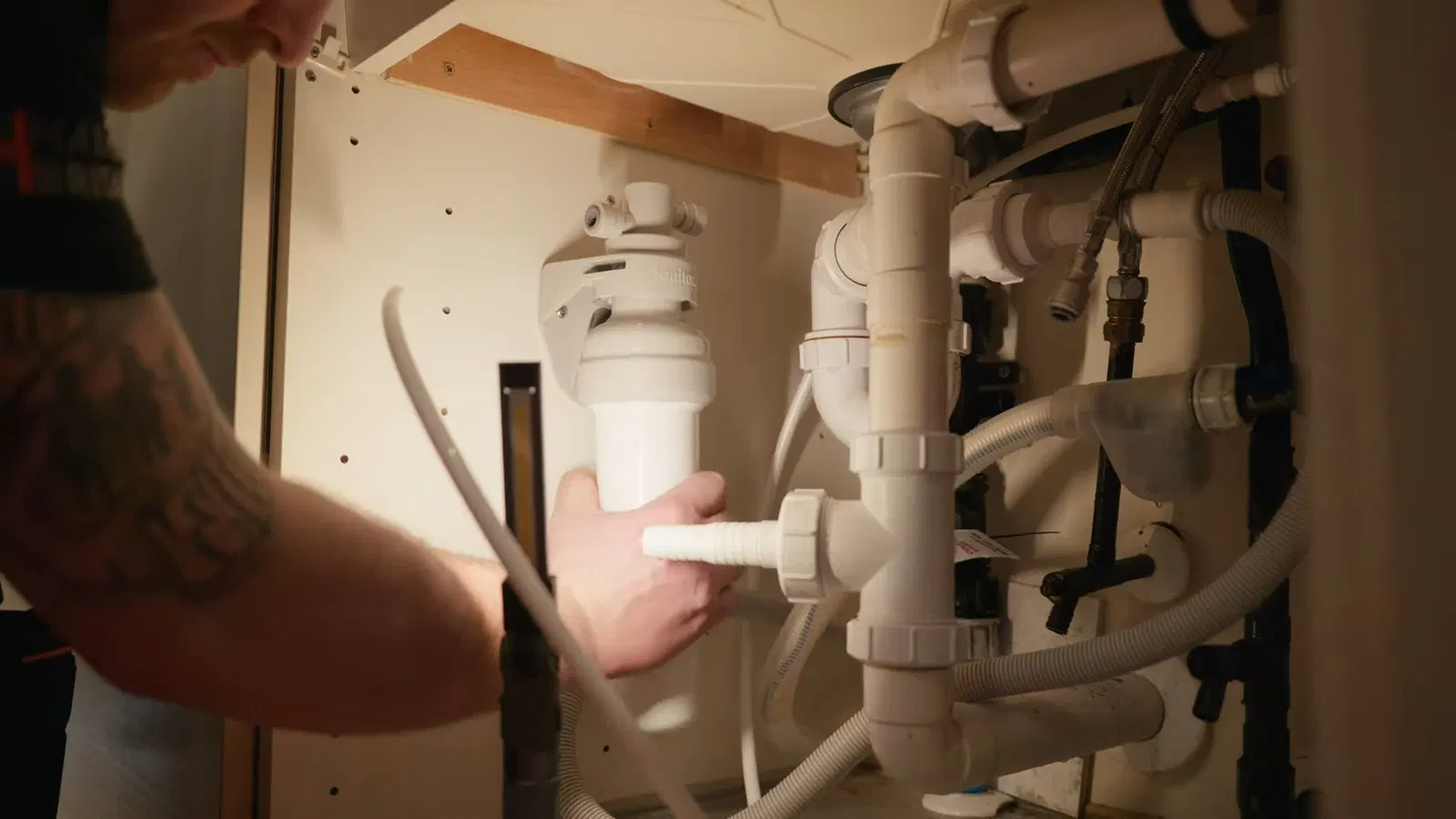
The practical difference is the number of components between the source and your tap. A municipal connection gives you a meter and a shutoff. A well and tank setup adds a submersible pump, a pressure tank, a booster pump and level controls, and any one of them can produce symptoms that look like a plumbing fault inside the house.
Scale. Local water is very hard, commonly reported in the mid to high teens in grains per gallon, and every gallon heated leaves some of that mineral behind on the tank bottom and the element.
The layer insulates the burner or element from the water it is meant to heat, so the unit runs longer for the same result and the metal above the burner runs hotter than it was designed to. That is why a softener sized for this water usually pays for itself through the appliances downstream of it rather than through the feel of the water.
It is a different problem from one slow fixture, and worth treating as urgent. A single slow drain means a restriction near that fixture. Tubs, toilets and sinks all backing up together means the restriction is downstream of everything.
On a sewer connection that points at the main line out of the house. On a septic system it points at the line to the tank, a tank that is due for pumping, or a drain field that has stopped accepting water. Putting a camera down the line is what separates those, and it decides whether this is a repair or a much larger job.
Two ways. The obvious one is water getting somewhere it should not, which is why the county is direct about staying out of flooded washes: six inches of moving water is enough to knock a person over.
The less obvious one is that a lot of this area's drainage crosses washes and floodplain, and Maricopa County requires a septic permit submittal to identify every wash, drainage easement and floodway boundary on the parcel. If a storm has changed how water moves across your land, it can change what is legal to install there.
Travel is built into the quote you are given up front, not added afterward. Given that the 85331 ZIP alone covers something like 112 square miles, being straight about distance before dispatch matters more here than it would in a dense suburb.
Call, describe the property and the problem, and you will get both a realistic arrival window and a range for that kind of work before you commit to anything.
Contractor licensing in this state is administered by the Arizona Registrar of Contractors, and work is carried out by licensed Arizona plumbers. Licence details for the contractor assigned to your job are available on request before work starts.
This site does not publish a licence number, review count or star rating, because publishing one that has not been verified would be worse than publishing none.
Call and describe what is happening. The line is answered around the clock, so you will reach a person who can tell you whether this needs someone tonight or can wait until morning, and roughly what it costs either way.