HomeServicesWater Softener Installation & Repair
Water treatment
Water Softener Installation in Cave Creek, AZ
A softener is the rare plumbing purchase whose value shows up almost entirely in other equipment. It protects the water heater, the fixtures and the appliances rather than itself.
What hardness in the teens actually does to a house
Hardness above about ten grains per gallon is where the industry generally starts calling water very hard. Water in this area is widely reported in the mid to high teens, which puts it comfortably past that line rather than near it.
The visible effects are the ones people mention: spotting on glassware and shower screens, chalky residue on fixtures, soap that will not lather, laundry that comes out stiffer than it went in. Those are annoyances rather than costs.
The expensive effects are invisible. Every gallon heated deposits mineral inside the water heater, which shortens its working life and raises what it costs to run. Every valve, cartridge and seat in the house gets ground against by precipitated mineral, which is why fixtures need attention earlier here than they would elsewhere. Dishwashers and washing machines heat water too, so they accumulate the same deposits.
That is what makes the economics work. A softener does not really pay for itself through nicer showers. It pays through equipment lasting closer to its design life than to its local life.
Sizing it, which is where most installations go wrong
A softener is sized by grain capacity, and the calculation is straightforward once you have the two inputs: how hard the water is, and how much of it the household uses. Multiply daily use by hardness and you get the grains removed per day, which determines how often the unit has to regenerate.
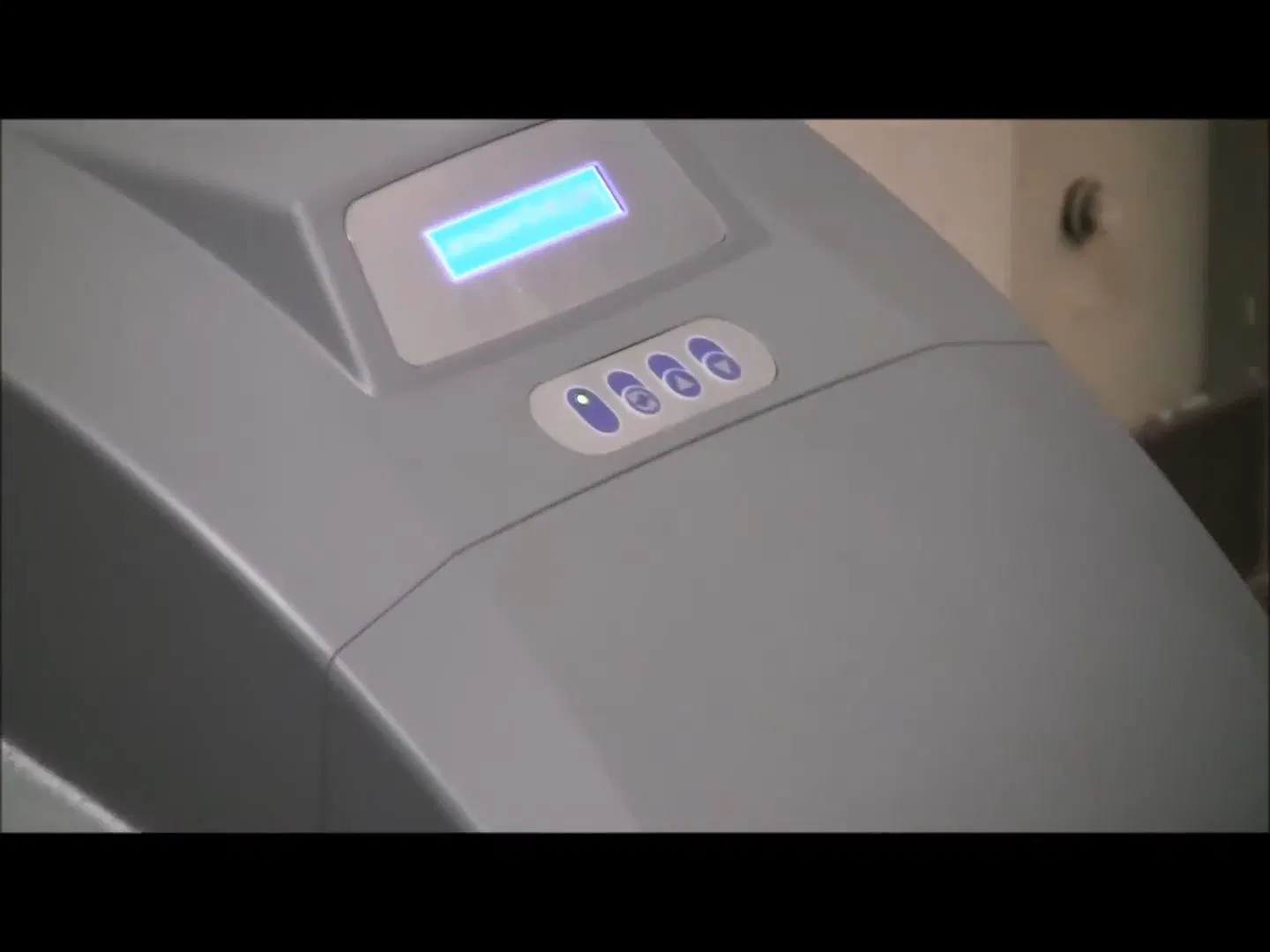
Undersize it and it regenerates constantly, which uses more salt and more water and wears the unit out faster. Oversize it substantially and it sits between regenerations long enough for the resin bed to become a less pleasant place, besides costing more than needed up front.
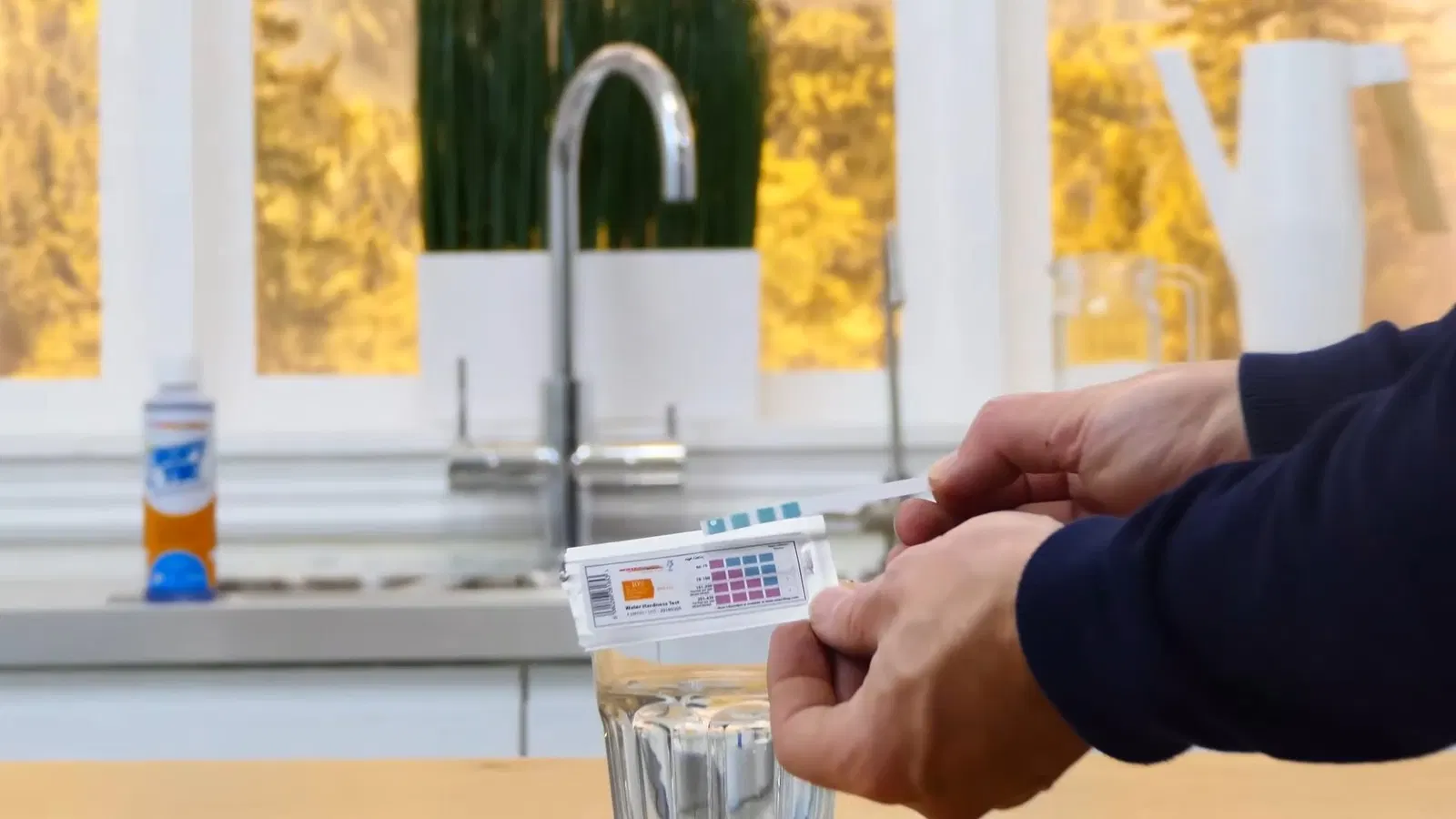
The input people get wrong is hardness, because they take a number for the area rather than for their property. On the Town of Cave Creek municipal supply an area figure is a reasonable starting point, since it is a single treated source. On a private well it is close to meaningless, because well chemistry varies by depth and geology and neighbouring wells genuinely differ.
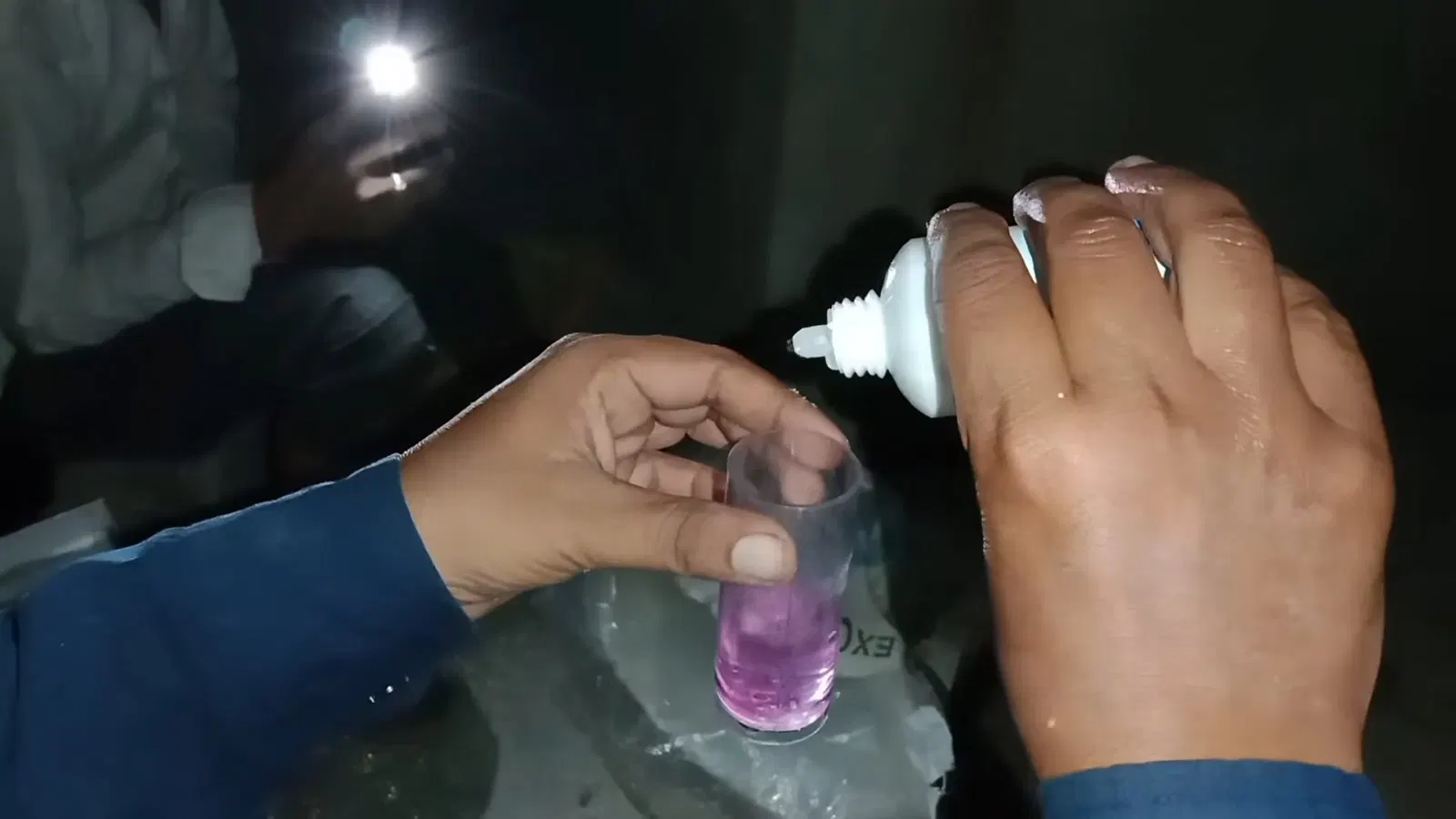
So on well or stored water, a test comes first. It also tells you whether hardness is the only issue or whether sediment or something else needs addressing ahead of the softener, which affects both the equipment and the order it goes in.
TALK IT THROUGH FIRST
Worth sizing from your actual hardness and household, not from a shelf label. Call (480) 806-2944 and describe what you are seeing; you will get a range and a window before anyone is dispatched.
Salt, water use, and the questions people actually ask
| Consideration | What to expect in this water | Why |
|---|---|---|
| Salt consumption | Higher than in a soft water region | More hardness removed means more regeneration |
| Water used in regeneration | A real amount per cycle, worth accounting for on stored water | Backwashing rinses the resin bed |
| Resin life | Shortened by sediment and chlorine without pre-treatment | Both degrade the media over time |
| Sodium in the softened water | Present, in proportion to hardness removed | Ion exchange swaps calcium and magnesium for sodium |
| Outside taps | Usually left unsoftened | Irrigation gains nothing from it and it wastes capacity |
If your water arrives by truck
The regeneration water use row deserves attention on the many properties around here running from a storage cistern or hauled deliveries. On a metered municipal connection it is a modest cost. On a finite tank it is gallons out of the supply you are paying to have delivered.
It does not argue against softening, since scale costs more than the backwash does. It does argue for correct sizing and for a demand-initiated unit that regenerates based on actual use rather than on a timer, because a timer-based unit on a low-occupancy property regenerates whether it needs to or not.
If you want a sense of what your margin looks like, the storage planner on the home page gives a rough days-between-deliveries figure for your tank size and household.
Repairs: what fails and what it looks like
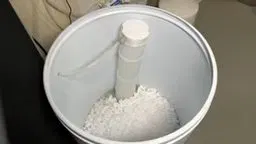
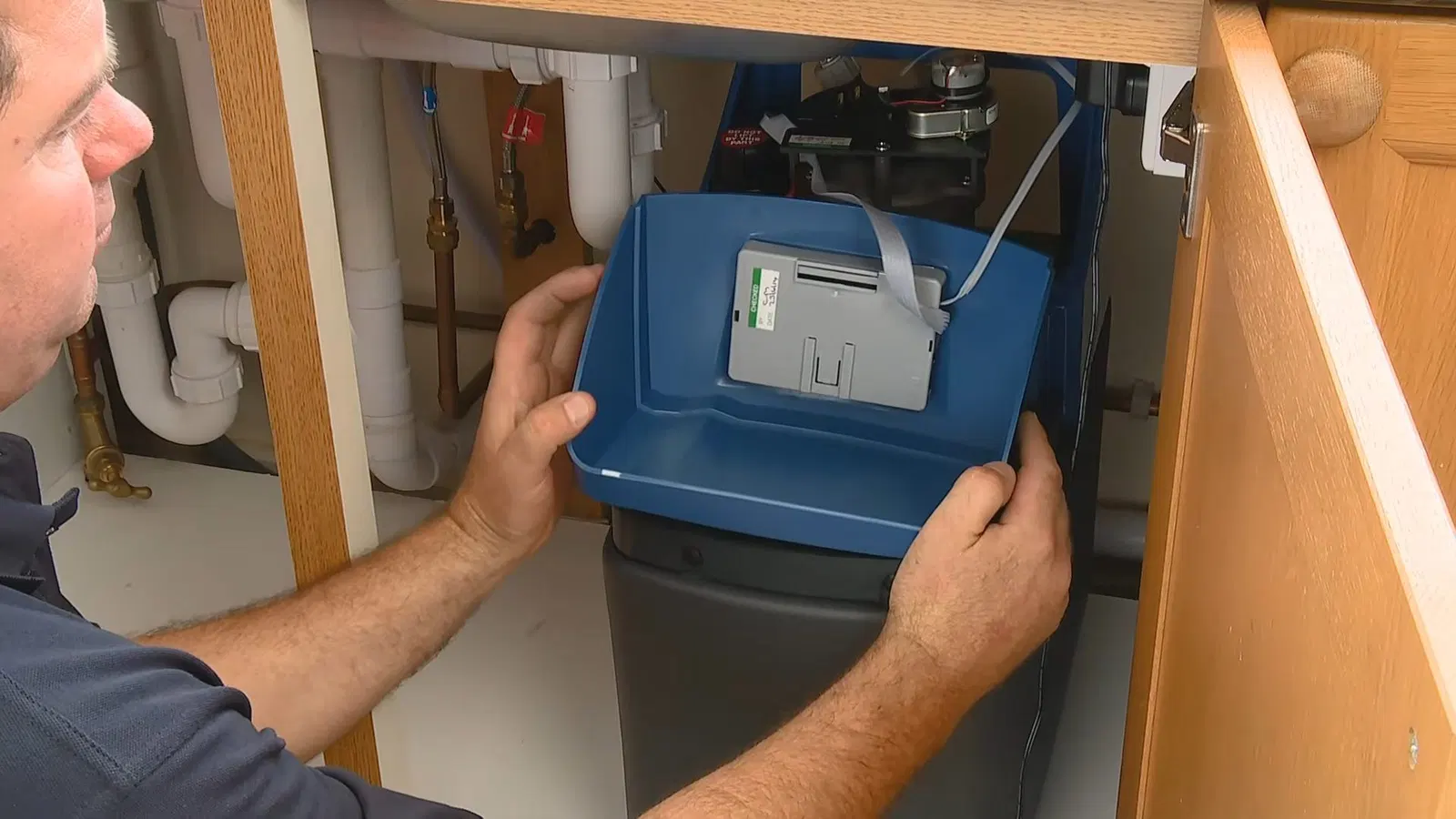
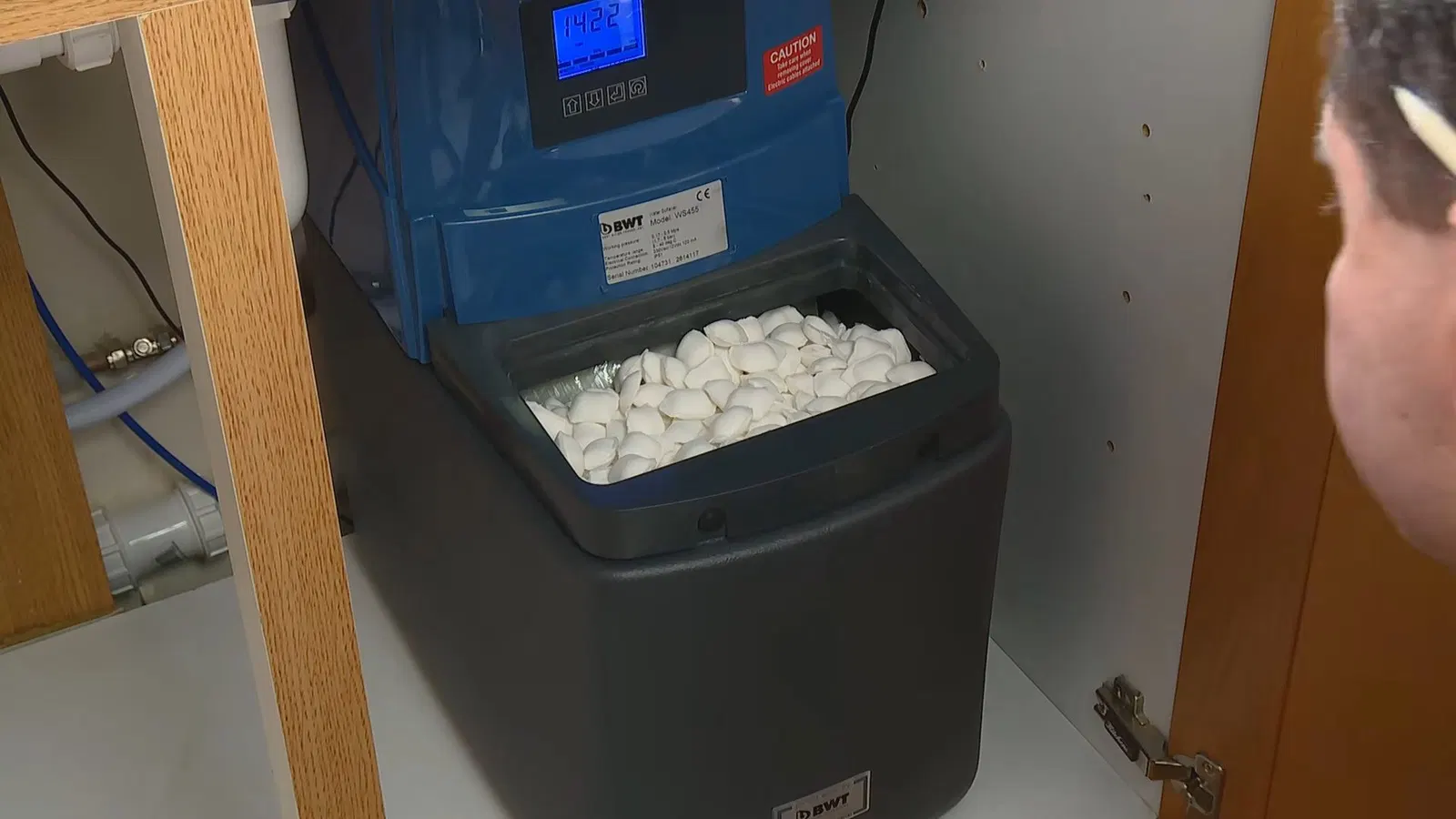
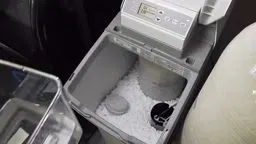
- Water no longer feels soft. Usually the salt has run out, a salt bridge has formed, or the unit has stopped regenerating.
- A salt bridge, where a hard crust forms above a void so the salt never reaches the water. Common and easy to miss, since the tank looks full.
- Control valve or timer failure, so regeneration never initiates.
- Resin fouled by iron, sediment or chlorine, so capacity falls even though the unit cycles normally.
- A brine line or injector blocked, so the regeneration cycle runs without actually drawing brine.
- Continuous drain flow, which means the valve is not seating and water is running away unnoticed.
The last one is worth checking if anything seems off, because it wastes water continuously and quietly. On a well or tank property it can empty a cistern surprisingly fast, and households have ordered extra deliveries for months without realising a softener valve was the cause.
Before assuming the unit has failed, check the salt level and break up any crust with a broom handle. A remarkable proportion of no-longer-soft complaints are a salt bridge and nothing else.
Installation requirements and discharge
CODES AND PERMITS
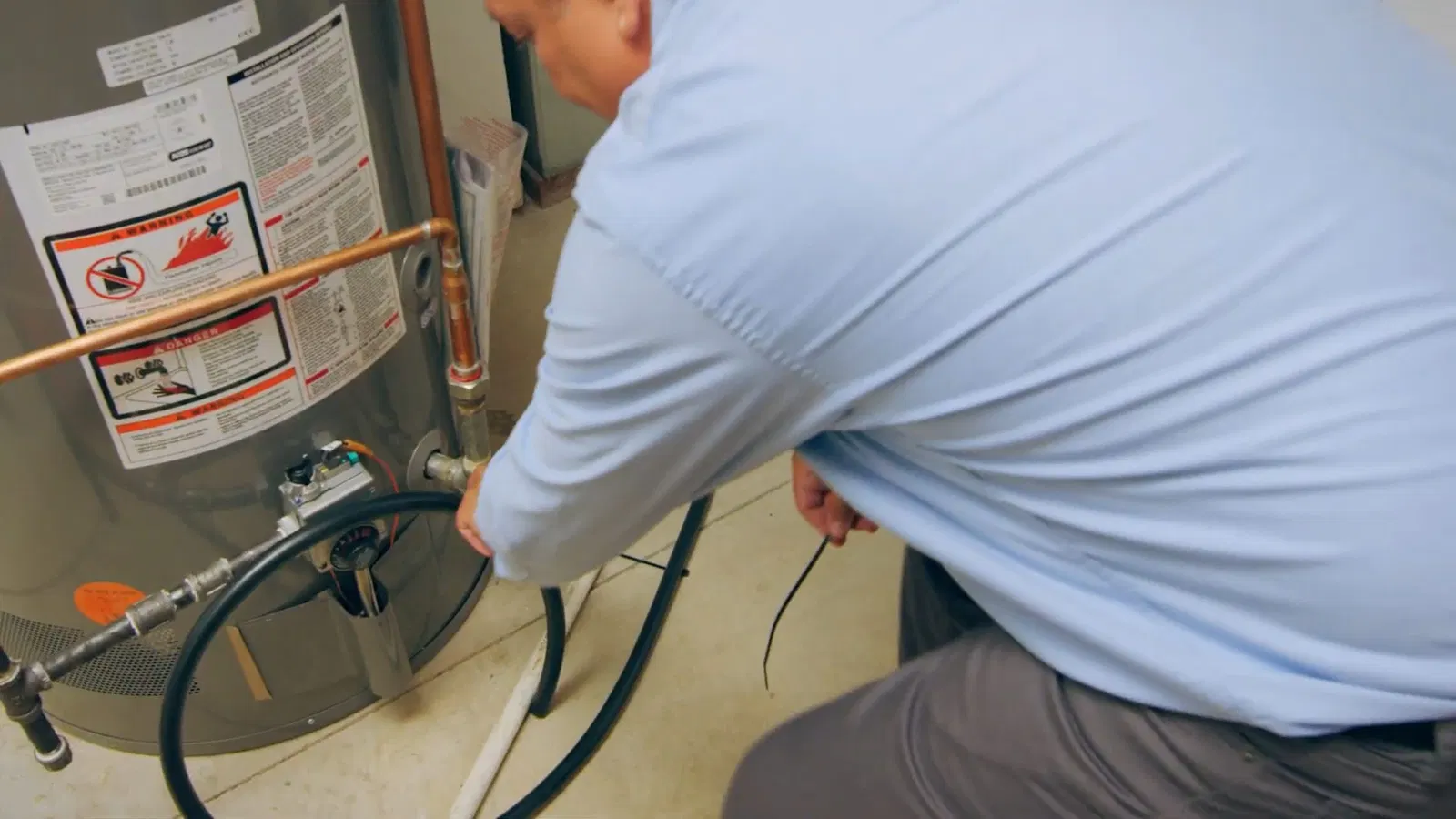
Treatment equipment is plumbed into the potable supply, so it is subject to the same locally adopted International Plumbing Code (IPC) as the rest of the system, and it brings specific provisions with it: backflow protection, correct bypass arrangement, and proper handling of the regeneration discharge.
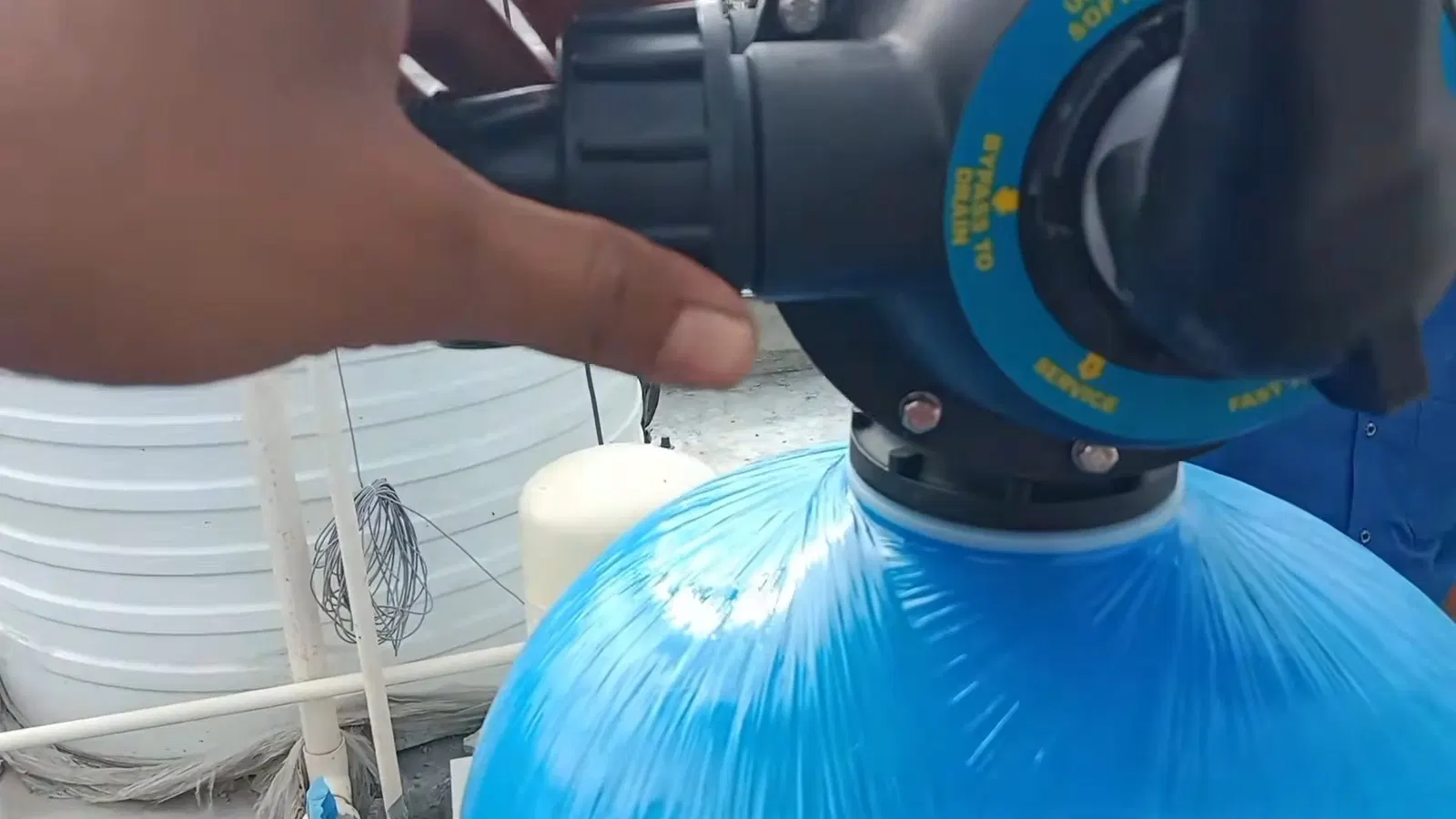
That discharge is the part worth asking about. It carries the brine from each regeneration cycle, and where it may be routed is not simply a matter of convenience, particularly on a property with an onsite wastewater system regulated by the Maricopa County Department of Environmental Services. Establishing the discharge route before installation is easier than relocating it afterward.
Softener questions for very hard water
Will a softener remove contaminants from my well?
No, and it is important not to expect it to. Softening exchanges hardness minerals for sodium. It is not a filter and it does not remove contaminants, sediment or bacteria.
If contamination is the concern rather than scale, that is a filtration question and it starts with testing what is actually present. The two often go together on well properties, staged in the right order.
Is softened water bad for drinking?
Softened water contains sodium in proportion to the hardness removed, which in very hard water is not negligible. Whether that matters for you is a question for your doctor rather than for a plumber, particularly on a restricted-sodium diet.
The common arrangement is to soften the whole house but leave a dedicated unsoftened tap, or fit reverse osmosis at the kitchen for drinking and cooking. Potassium chloride is an alternative to sodium chloride, at higher cost.
Do salt-free conditioners work in water this hard?
They work differently, and it is worth being clear about the distinction rather than treating them as equivalent. They do not remove hardness; they aim to alter how the minerals behave so they are less inclined to form adherent scale.
That means no salt, no backwash water and no sodium, which genuinely appeals on stored water. It also means the hardness is still present, so you should not expect the lather and spotting improvements a true softener gives. In water in the teens, expectations should be set accordingly.
How much salt will I actually use?
More than in most of the country, because consumption tracks hardness and household use, and hardness here is high. A correctly sized demand-initiated unit uses considerably less than an oversized timer-based one.
Rather than a figure, the useful habit is checking the tank monthly and watching for bridging, since a bridged tank looks full while the unit is effectively out of salt.
Should the softener go in before or after a new water heater?
Before, if both are planned. A new water heater installed onto untreated very hard water begins accumulating scale immediately, which is the process that ends tank life here.
Fitting treatment first means the new unit spends none of its life in those conditions. If the sequence has to be the other way round for practical reasons, it is still worth doing, just with less of the benefit captured.
Can a softener be fitted on a property with a storage tank?
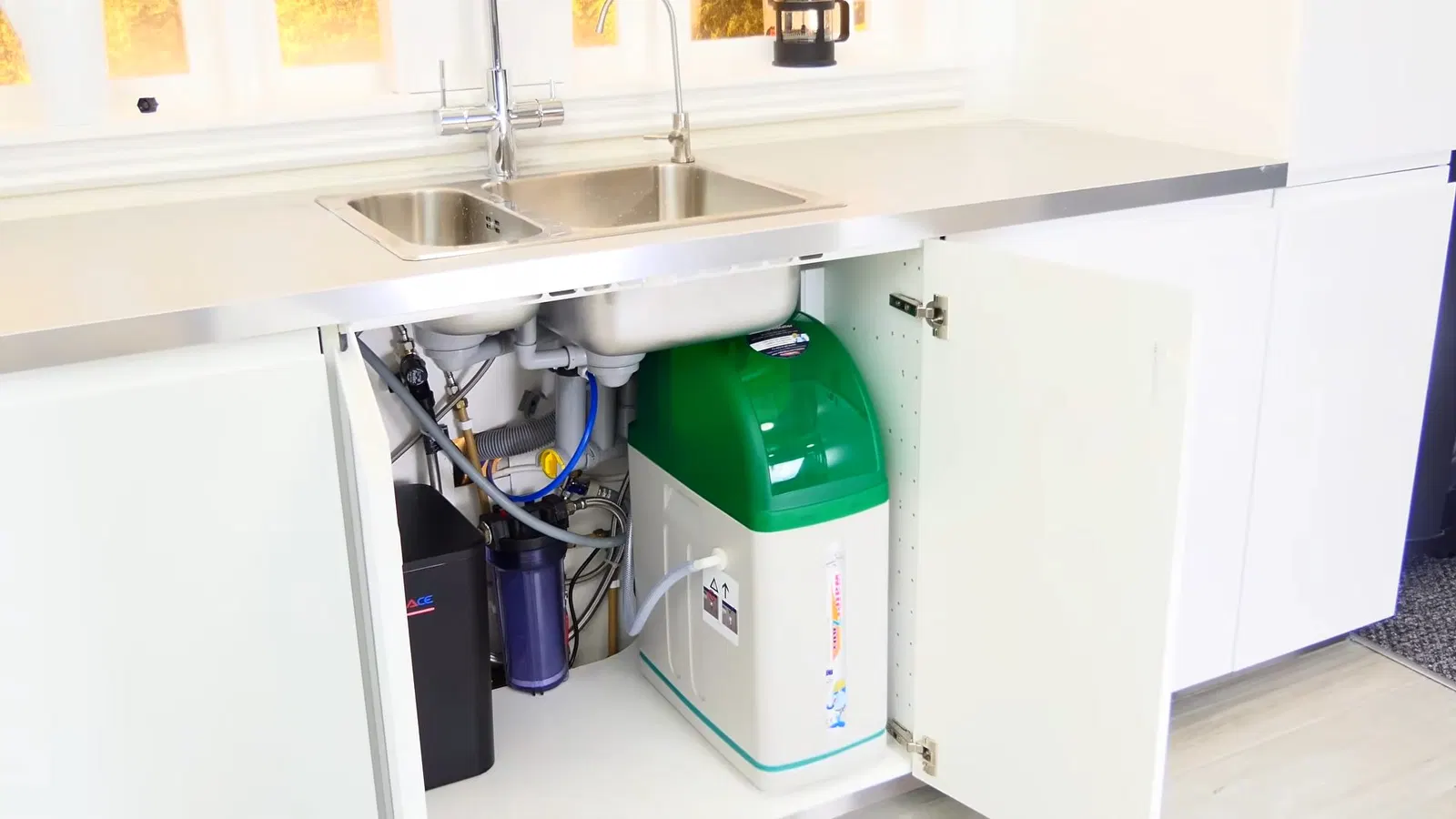
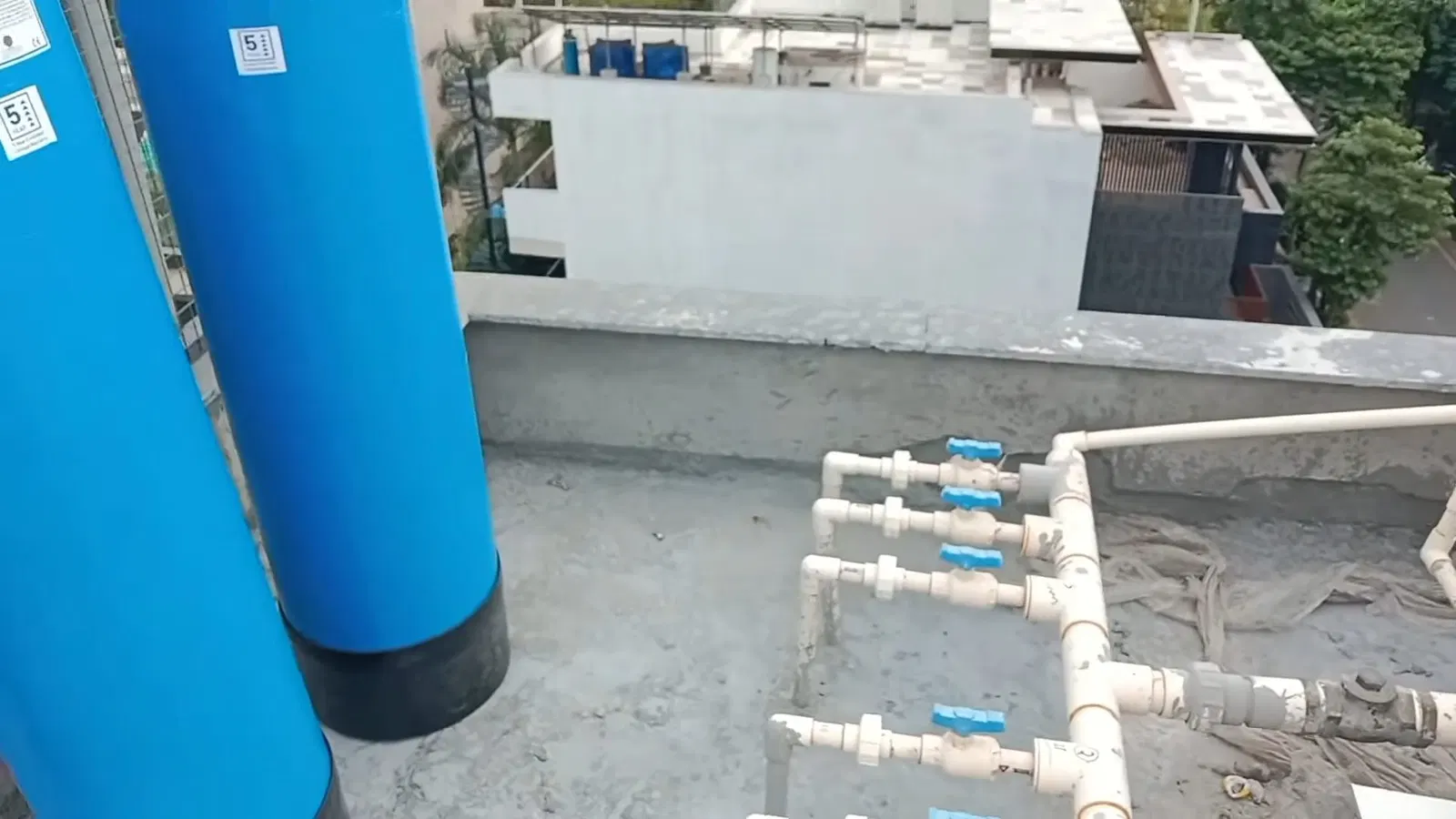
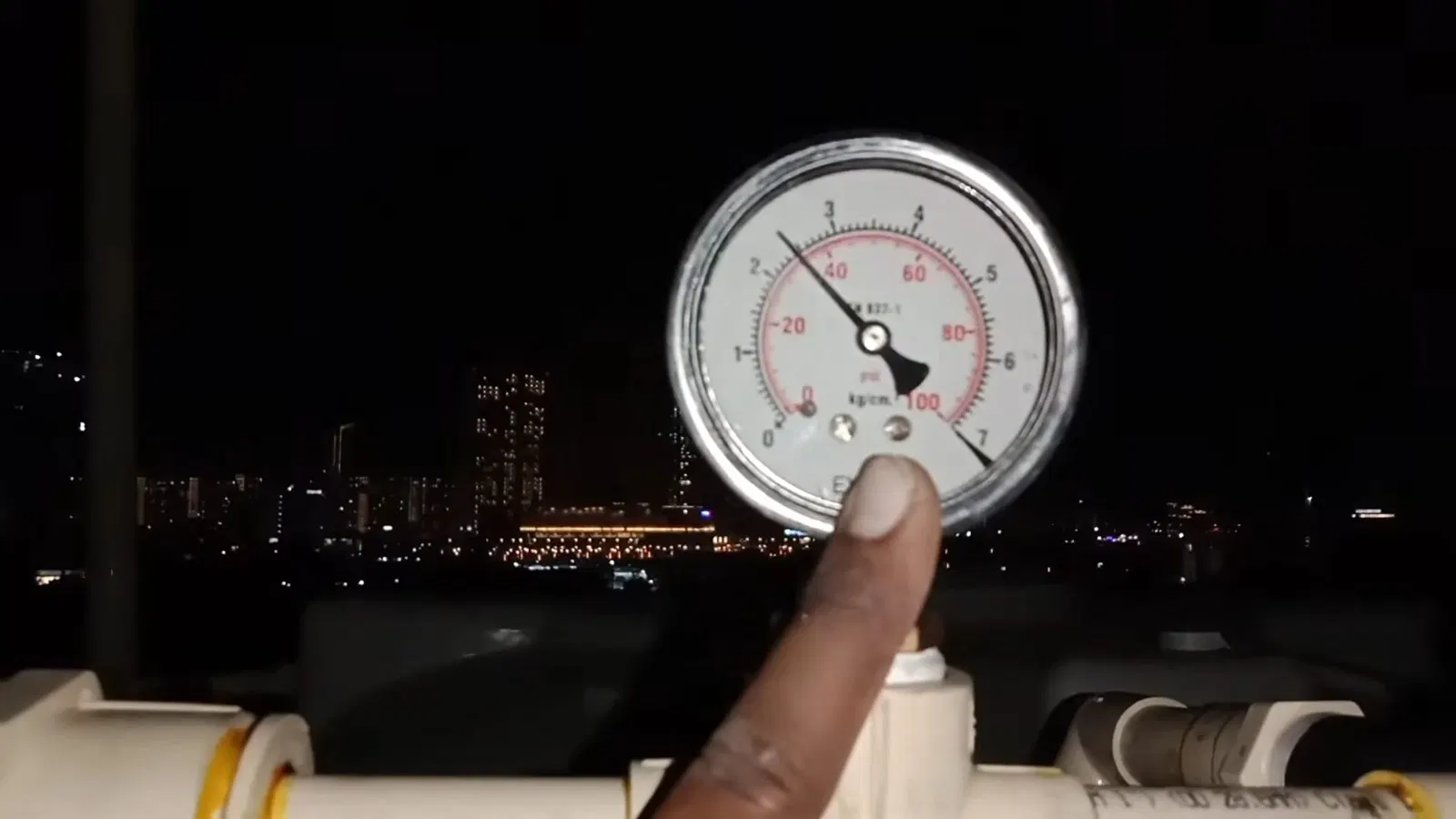
Yes, and it is common. The considerations are pressure and water use: treatment equipment adds resistance, so a system already marginal on pressure needs checking, and regeneration consumes water from a finite supply.
Sediment pre-filtration ahead of the softener matters more here too, because particulate from a stored supply shortens resin life noticeably.
Scale on everything, and tired of it?
Say what your supply is and how many people are in the house. Those two numbers drive the sizing conversation more than anything else.