HomeServicesFaucet Repair & Installation
Fixtures
Faucet Repair in Cave Creek, AZ
A dripping faucet is a small job with a specific local cause. Mineral does to sealing surfaces what sandpaper would, only slower and everywhere at once.
Why faucets wear out faster here
A faucet works by pressing one smooth surface against another tightly enough to stop water passing. Everything about its reliability depends on those two surfaces staying smooth.
Very hard water attacks that directly. Dissolved mineral precipitates onto valve seats, cartridge bodies and O-rings, and once there is grit between two sealing surfaces, every operation of the handle grinds it into them. A cartridge that would last a decade elsewhere gets scored years earlier here, and once scored it will not seal however hard you turn it.
The same process explains the other common complaints. A handle that has become stiff is usually a cartridge with deposit in the moving parts rather than one that needs force. A spout that sprays unevenly or has lost pressure is almost always a scaled aerator, which is the cheapest fix in plumbing and takes minutes.
The pattern worth noticing is that these are symptoms of the water rather than of the fixture. Replacing a faucet without changing anything upstream buys a new set of sealing surfaces for the same conditions to work on.
Repair or replace, on a fixture this cheap
| Situation | Sensible route | Why |
|---|---|---|
| Recent quality faucet, dripping | Replace the cartridge or seats | Parts are available and the body is sound |
| Older budget faucet, dripping | Replace the unit | Parts may be unavailable and labour outweighs the fixture cost |
| Stiff or seized handle | Cartridge replacement, sometimes descaling | The body is rarely the problem |
| Weak flow at one tap only | Clean or replace the aerator | The cheapest and most commonly overlooked fix |
| Weak flow everywhere | Look upstream, not at fixtures | Pressure, a supply restriction, or a pressure tank fault |
| Leaking at the base or underneath | Reseat or replace, and check the supply connections | Water under a cabinet is a different risk from a visible drip |
One symptom that is never about the faucet
The row worth acting on is weak flow everywhere. Several fixtures losing pressure at once is not a faucet problem and replacing faucets will not touch it.
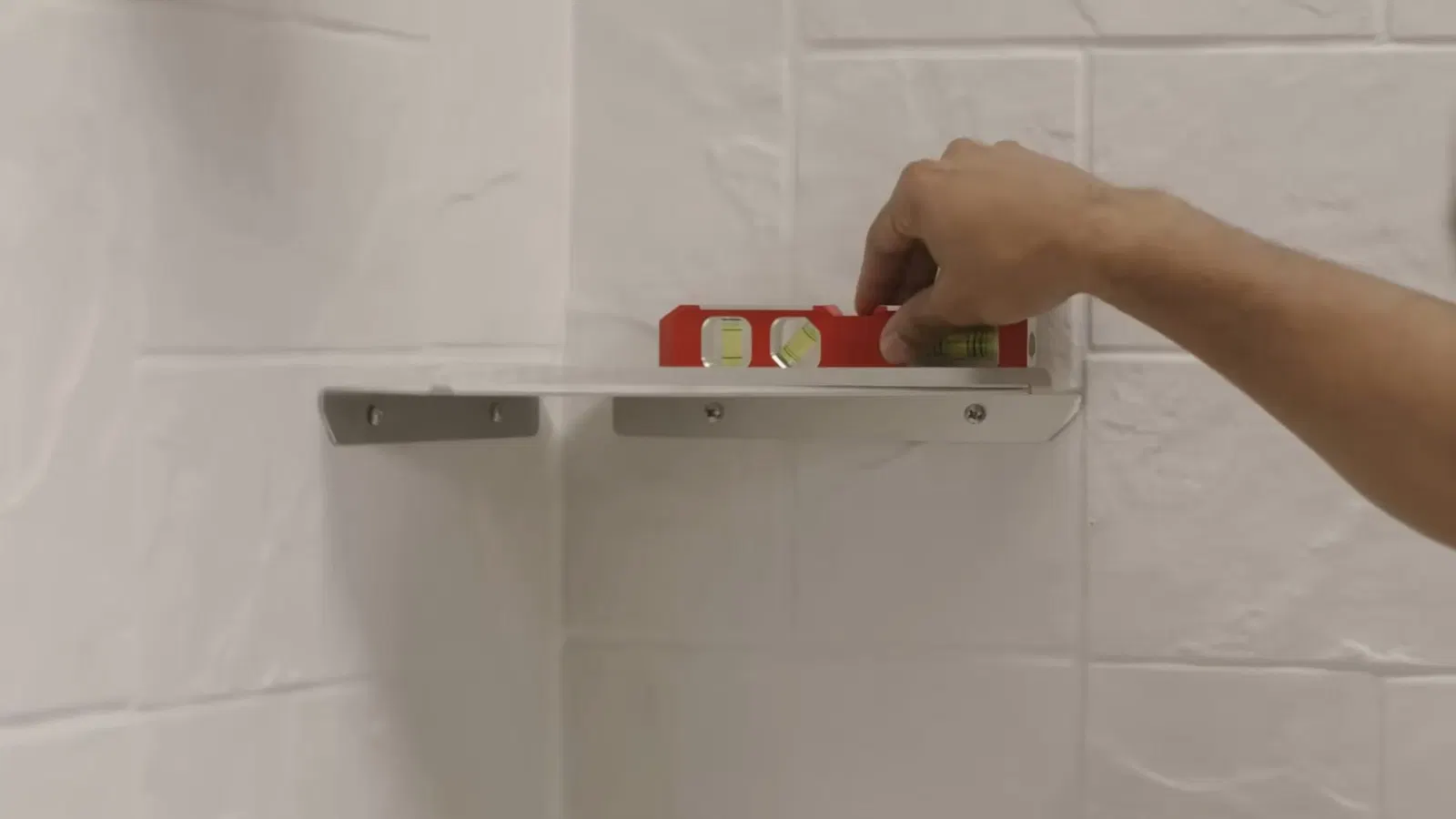
On a metered connection it can point at a supply-side restriction or a leak. On a property running from a well or a storage tank it more often points at a pressure tank that has lost its air charge or a booster pump struggling, both of which present as low pressure at every tap. Working out which is a different visit from a fixture repair.
TALK IT THROUGH FIRST
Several fixtures failing at once usually points upstream, not at the faucets. Call (480) 806-2944 and describe what you are seeing; you will get a range and a window before anyone is dispatched.
Installation, and the parts people skip
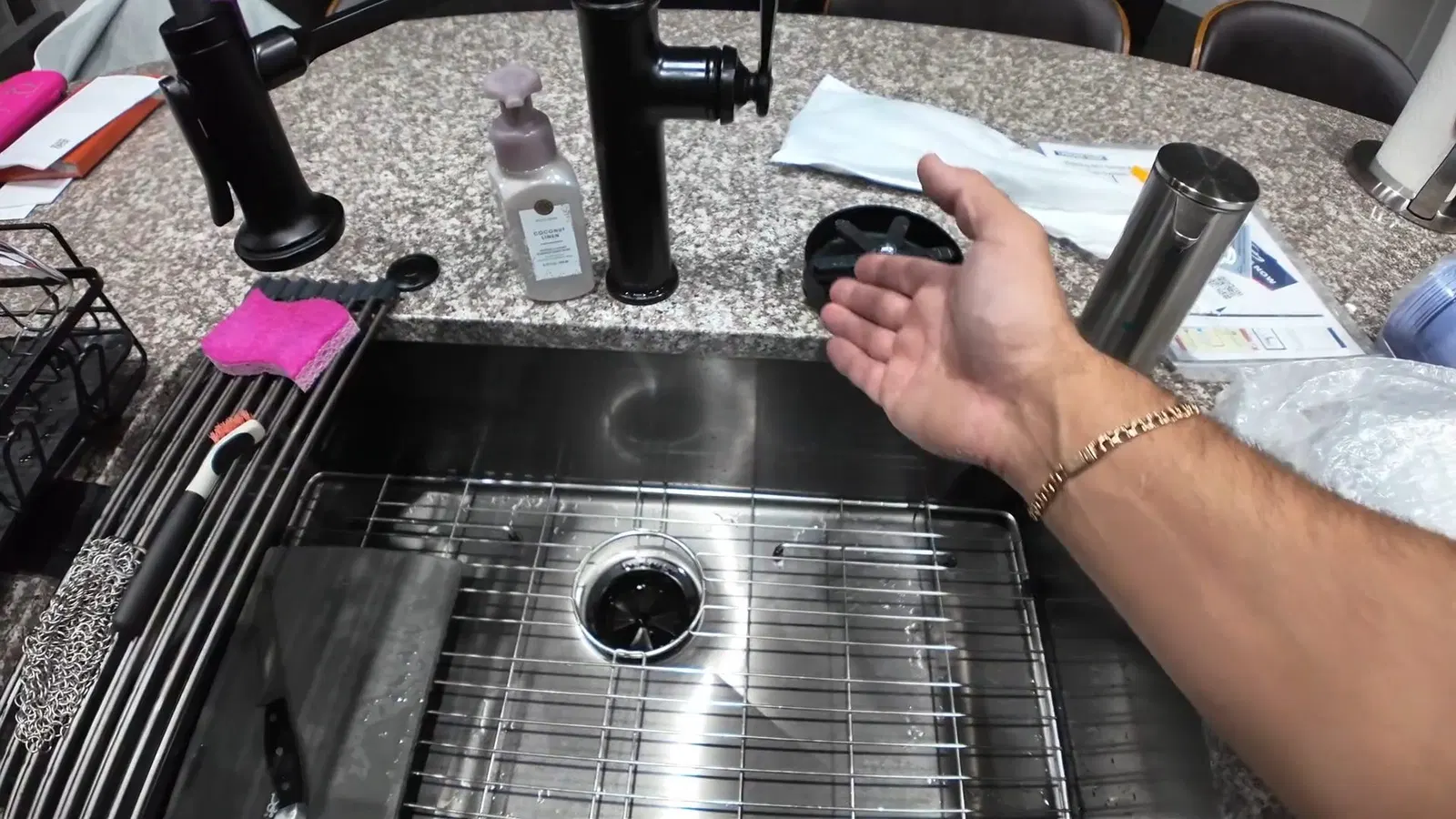
- New supply lines with every faucet change. Reusing braided lines of unknown age under a cabinet is a poor trade for the few dollars saved.
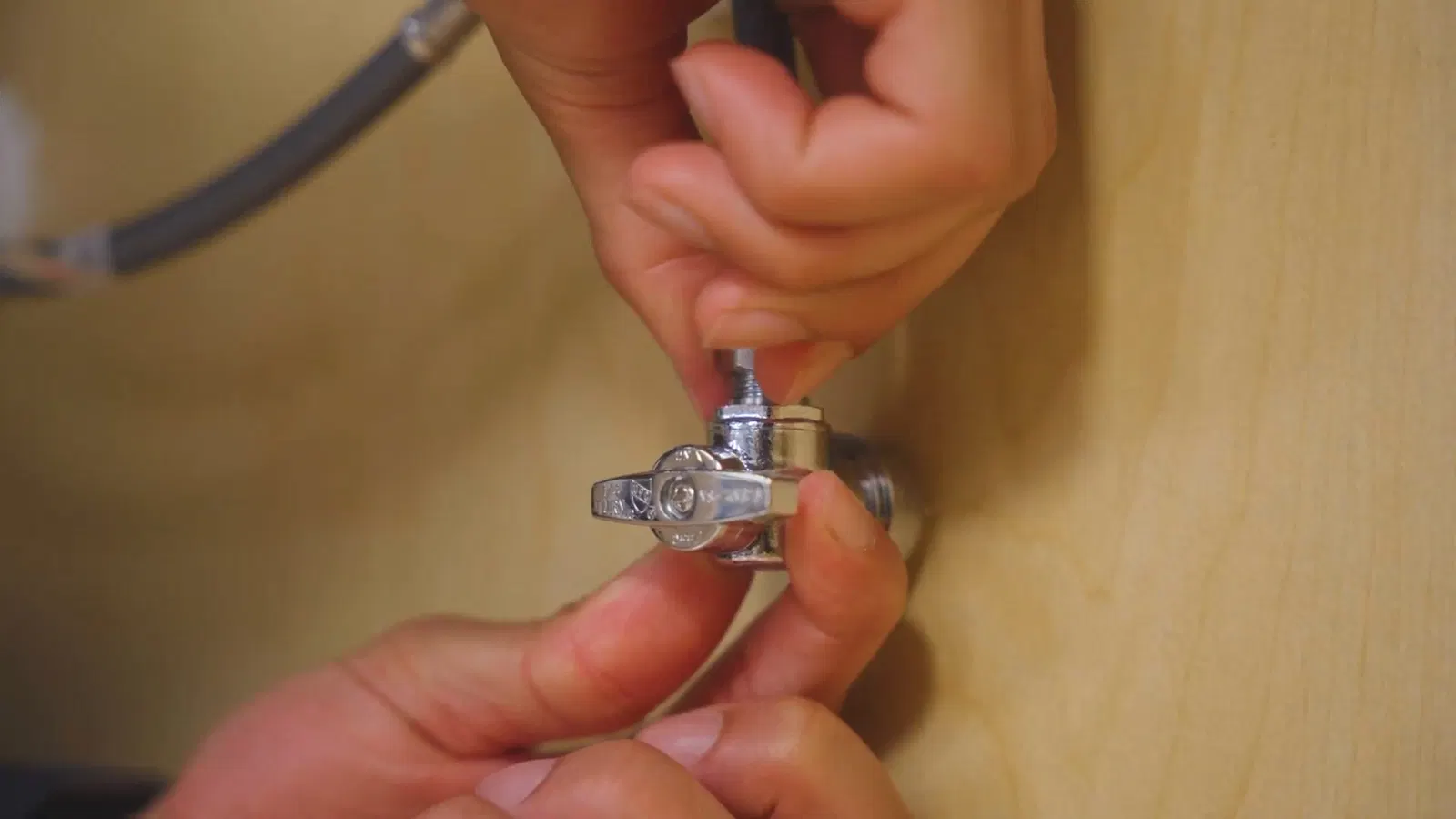
- Working shutoff valves at the fixture. Old stops that no longer close are common, and discovering that during an emergency is the wrong time.
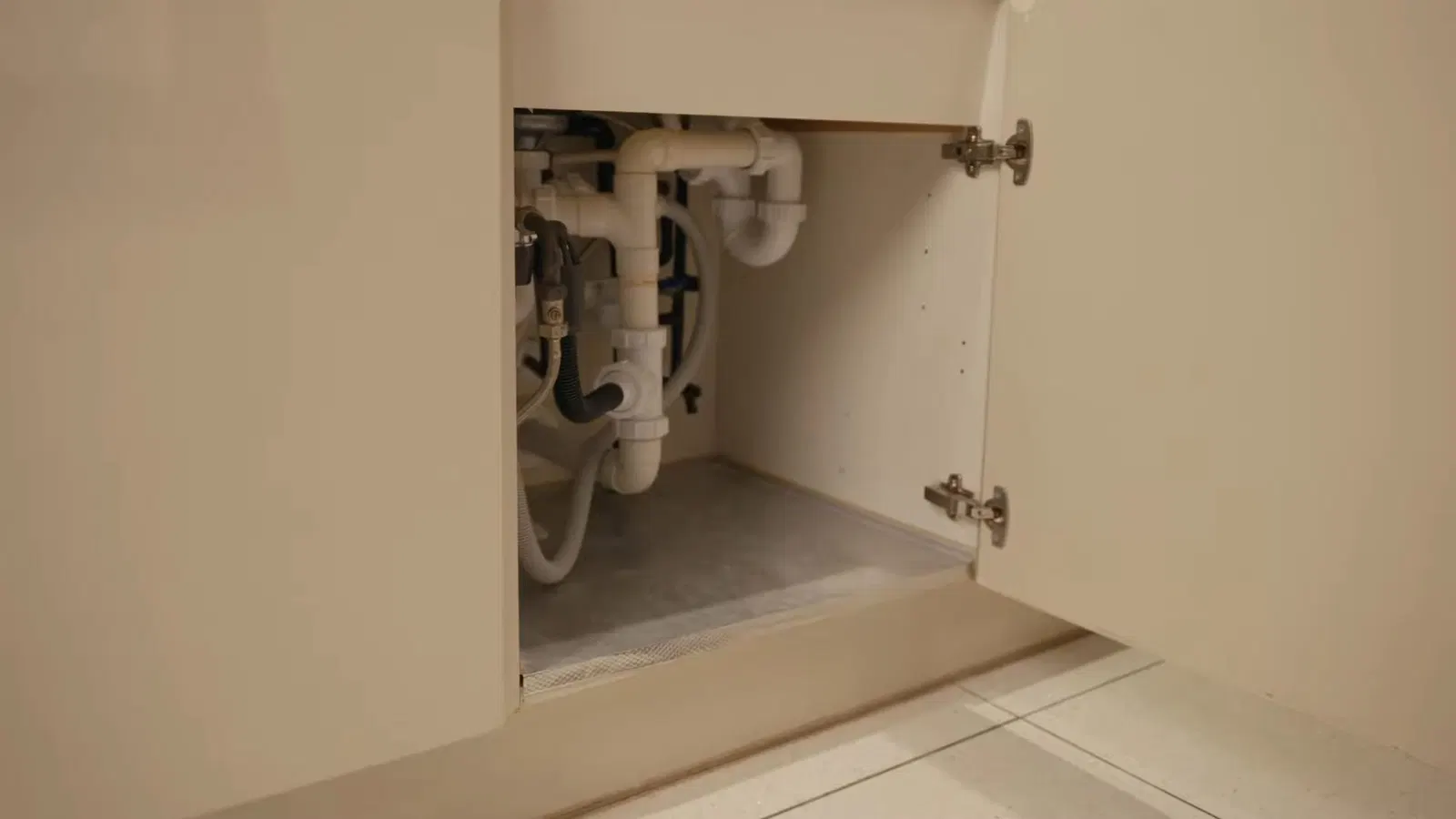
- Correct sealing at the deck, so water from the sink surface cannot run into the cabinet below.
- Drain and trap assembly checked at the same time, since it is already accessible and it is where the next call would otherwise come from.
- Aerator matched to the intended flow, rather than whatever came in the box.
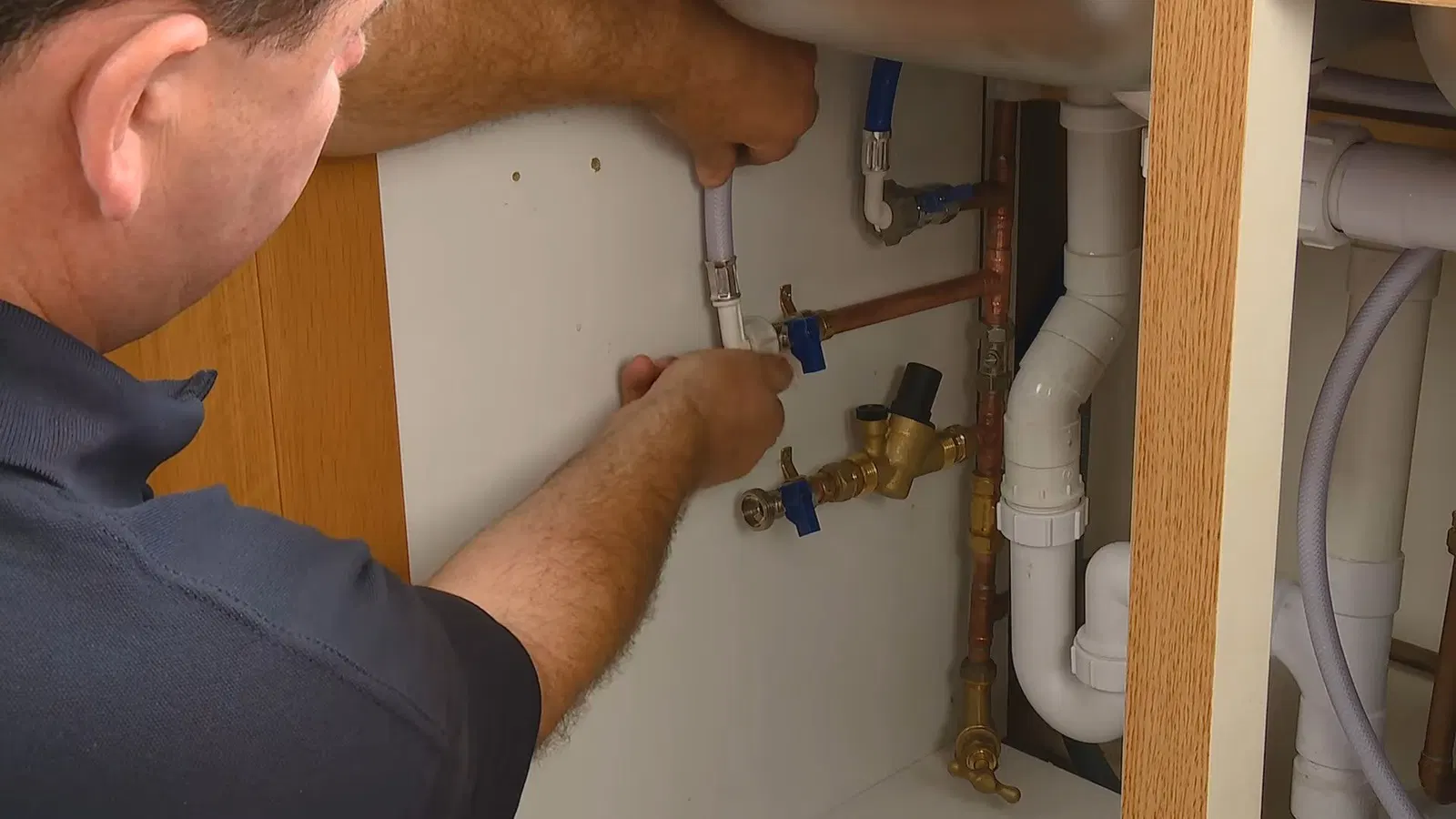
The shutoff valve point deserves emphasis in this water. Stop valves that have sat untouched for years accumulate deposit around the stem and seat, and they frequently will not close fully when they are finally needed. Replacing them while the cabinet is already open costs very little and is the difference between isolating a future problem at the fixture or at the main.
Fixing the cause rather than the fixtures
If cartridges, seats and aerators are being replaced repeatedly across the house, the fixtures are reporting on the water rather than failing on their own merits.
That is the practical argument for treatment, and it is not really about how the water feels. It is that reducing dissolved hardness changes the operating conditions for every sealing surface, valve and appliance downstream at once, which is a much better return than a fixture at a time.
Where the concern is what is in the water rather than how hard it is, particularly on well and storage tank properties where the supply is not municipally treated, testing before specifying anything is the sensible first step. Fitting a standard package based on the town name rather than on the actual supply is how households end up treating the wrong thing.
Faucet questions in a hard water area
Why does my new faucet already drip?
Most often because the underlying conditions did not change. Mineral gets between the sealing surfaces of a new cartridge just as readily as it did the old one.
Occasionally it is grit disturbed during the installation itself, particularly if work was done on the supply upstream. Running the line before fitting reduces that, and a cartridge that fails within weeks is worth looking at rather than accepting.
Can I descale a faucet myself?
An aerator, yes, and it is worth doing. Unscrewing it, soaking it in vinegar and rinsing it restores flow on most fixtures and costs nothing.
Cartridge internals are less forgiving. Once sealing surfaces are scored, cleaning them does not restore the seal, and partial disassembly on a stiff faucet often ends with a broken handle or a stripped fitting.
Is a dripping tap actually worth fixing?
On a metered connection the water cost alone usually justifies it in reasonable time. The stronger argument is what constant flow does to the fixture and the drain.
On a property running from a storage tank or a low-yield well, the argument is much stronger. There is no bill to alert you, and a continuous drip is a measurable fraction of a tank between deliveries.
Do you fit customer-supplied faucets?
Generally yes. It is worth checking the specification before buying, particularly hole spacing and whether it suits the existing deck.
In this water it is also worth choosing a brand with genuinely available replacement cartridges. A faucet whose parts cannot be sourced becomes a full replacement the first time it drips, which is a false economy at any purchase price.
My outdoor faucet drips constantly. Same job?
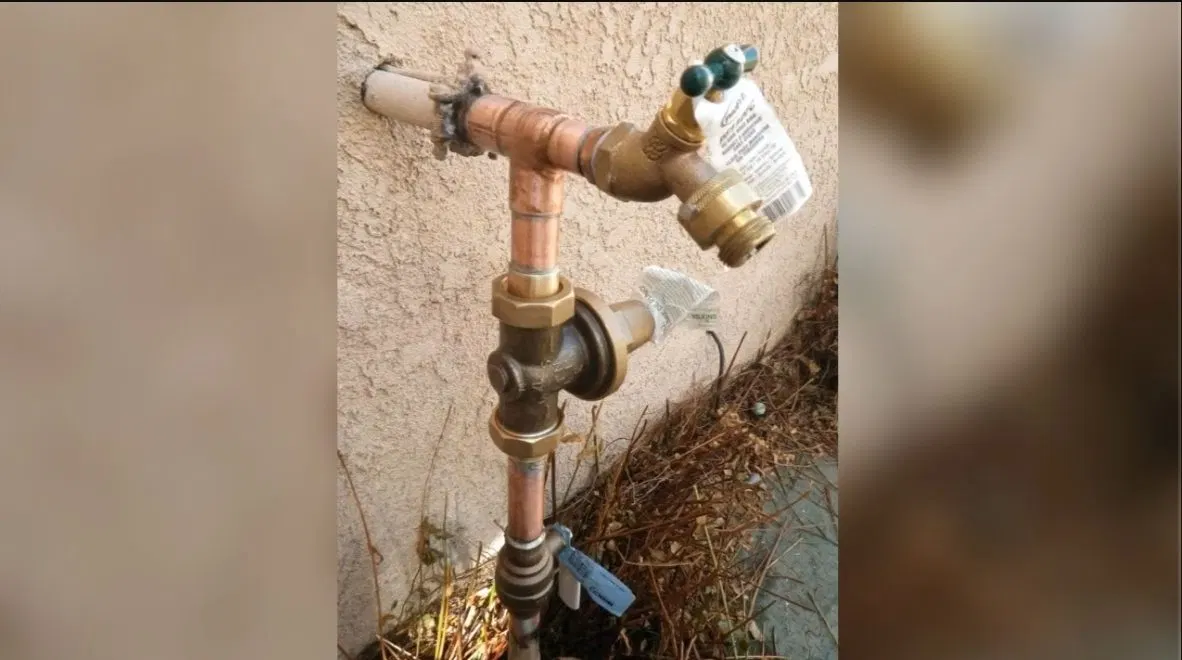
Similar in principle, different in exposure. Outdoor fixtures here take sun, temperature swings and winter cold, and they usually have simpler internals that wear on the same mineral mechanism.
They matter more than people assume on properties with irrigation, troughs or outdoor showers, which are common on the larger parcels around here. Outdoor runs are consistently over-represented in leak calls for exactly that reason.
Everything lost pressure at once. Is that fixtures?
No, and that is the useful thing to know. A simultaneous drop across the property is a supply question rather than a fixture question.
Say so when you call, because it changes the visit before anyone leaves. On a well or tank system the pressure tank and pump come into the frame immediately, and on a metered connection it raises the possibility of a loss somewhere on the line.
Dripping, stiff, or barely flowing?
Say how many fixtures are affected. One is a faucet problem. Several at once is usually a supply or pressure question, and that changes the visit entirely.