Drains and sewer
Drain Cleaning in Cave Creek, AZ
One slow fixture and every fixture slow at once are not the same problem wearing different clothes. They sit at different points in the system, and only one of them is urgent.

The one diagnostic question worth answering first
Before anything else, work out whether the problem is one fixture or all of them. It is the single most informative thing you can tell a plumber, and you can establish it in two minutes without any tools.
One slow drain means the restriction is between that fixture and the point where its branch joins the main. It is local, it is usually simple, and it is rarely urgent. Hair and soap in a shower, grease and food in a kitchen line, or a fouled trap account for most of them.
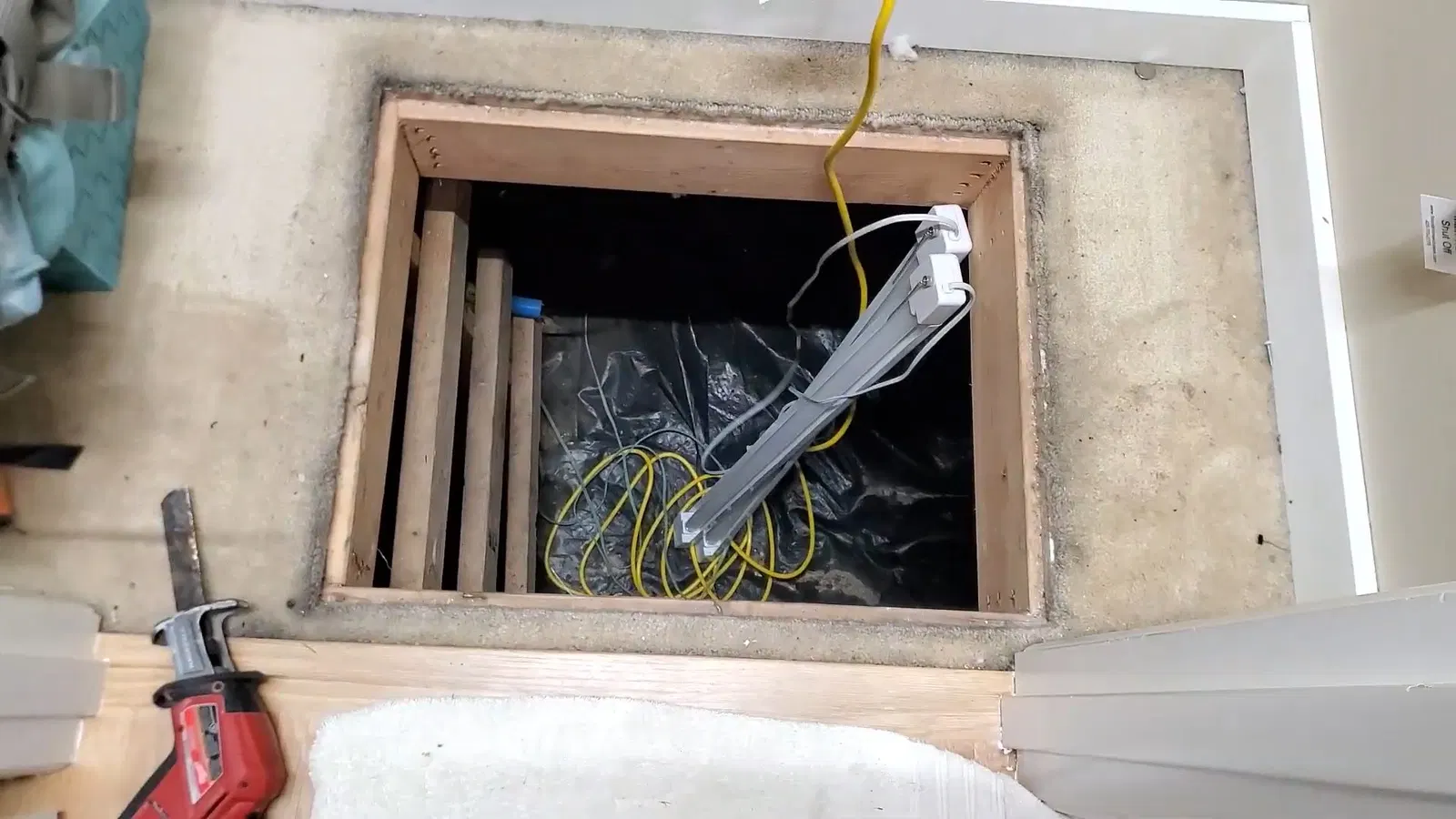
Tubs, toilets and sinks all draining slowly or backing up together means the restriction is downstream of everything, on the main line out of the building. That is a different situation entirely, because there is nowhere else for the water to go and the next flush has to come up somewhere. Gurgling from one fixture when you run another is the same message: air being displaced past a restriction.
The reason this matters for urgency is simple. A local blockage inconveniences one room. A main line blockage puts waste water into the lowest opening in the building, which is usually a shower tray or a floor drain.
TALK IT THROUGH FIRST
If everything is backing up at once, that one is worth calling about now. Call (480) 806-2944 and describe what you are seeing; you will get a range and a window before anyone is dispatched.
Sewer or septic, and why the answer changes everything
A whole-house backup on a sewer connection points at the main line to the street: a blockage, root intrusion, a sag, or a break. The fix is somewhere along that line and the property boundary usually determines who is responsible for which part.
On septic, the same symptom has three quite different possible causes, and telling them apart matters because the costs are nothing alike. The line to the tank could be blocked, which is a plumbing job. The tank could simply be full and due for pumping, which is a service call rather than a repair. Or the drain field could have stopped accepting water, which is the expensive one and is not a plumbing problem at all.
A large share of properties around Cave Creek outside the town core are on septic, which is why this distinction comes up constantly here and rarely in a dense suburb. Maricopa County's Department of Environmental Services regulates onsite wastewater systems. A permit submittal for a septic installation has to identify every wash, drainage easement and floodway boundary on the parcel. That tells you how much local geography constrains where these systems can go at all.
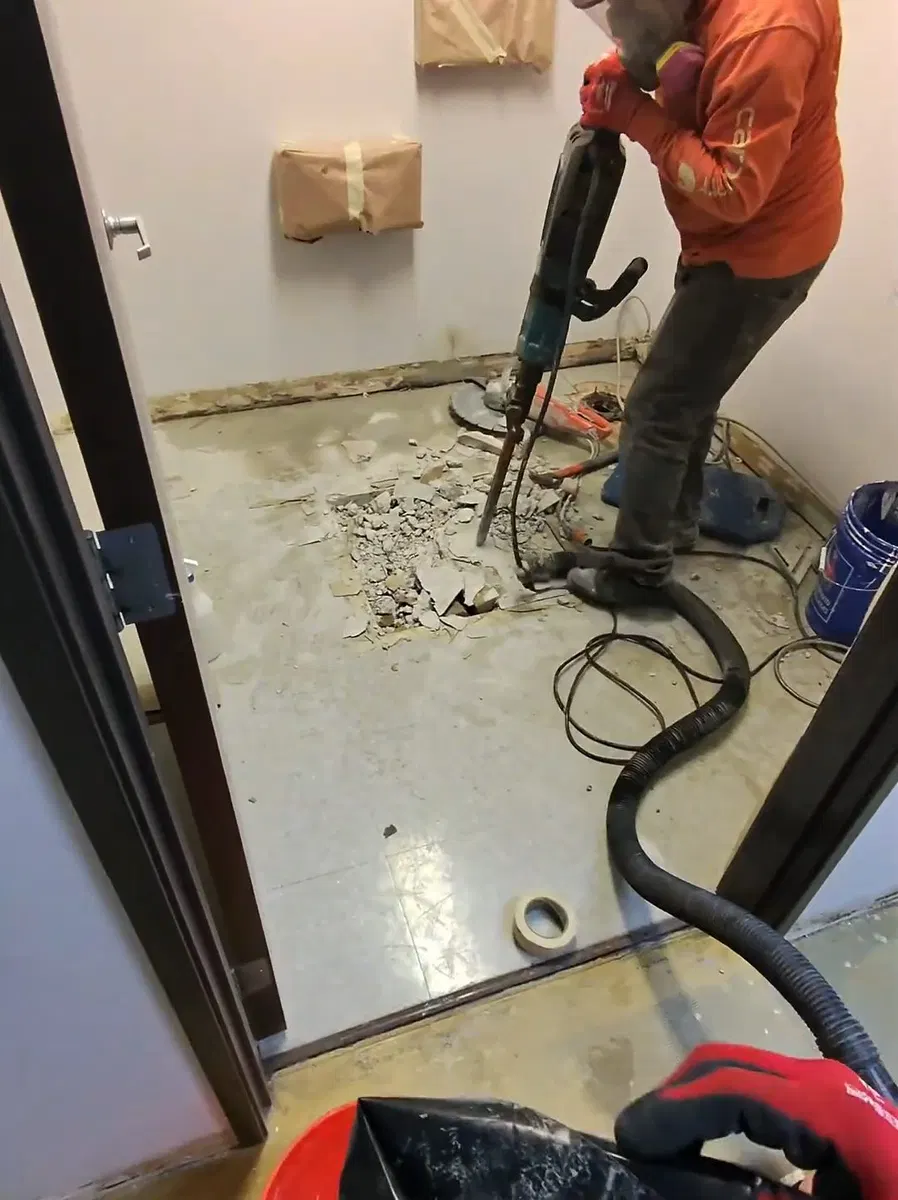
Distinguishing between those three is exactly what a camera does, which is why looking down the line often saves money on a septic property rather than adding to the bill.
Clearing it, and the difference between the tools
| Method | Best for | What it leaves behind |
|---|---|---|
| Hand auger or small drum machine | Single fixtures, traps, short branch runs | A hole through the blockage; enough for hair and soap |
| Sectional or drum cable machine | Main lines, root masses, solid obstructions | A cleared path, with residue still coating the pipe wall |
| Hydro jetting | Grease, scale, accumulated sludge, recurring blockages | Pipe wall scoured back toward its original diameter |
| Camera inspection | Finding out why it blocked, and whether the pipe is damaged | Information, which is often the thing actually missing |
Why some drains block again a month later
The distinction between cabling and jetting is the one worth understanding as a homeowner, because it explains why some drains block again within months.
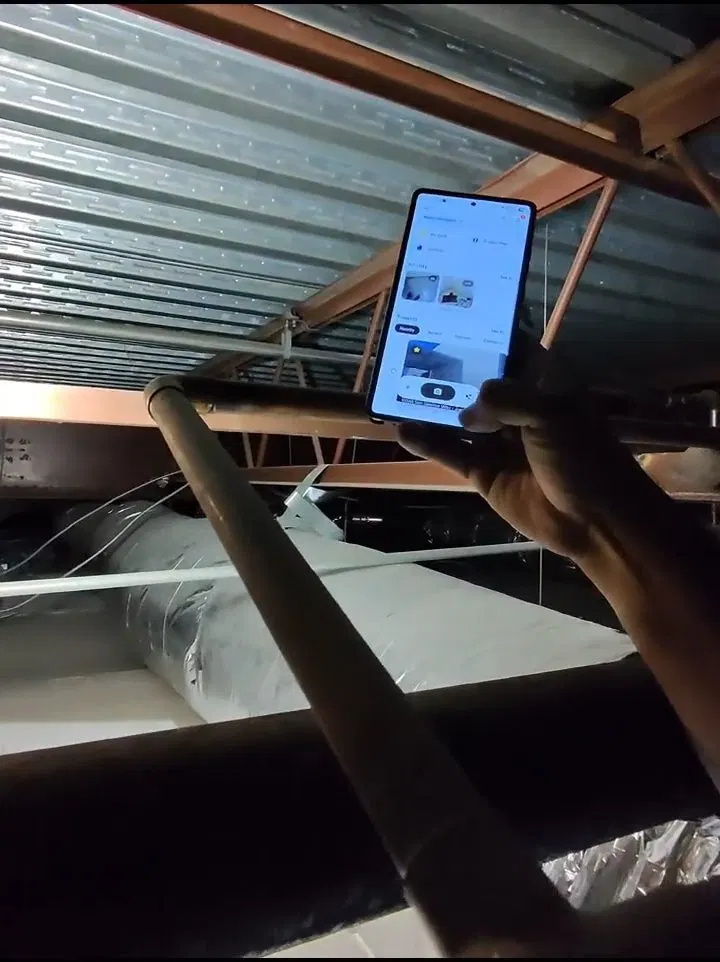
A cable punches an opening through a blockage. Flow returns and the problem appears solved, but the material coating the pipe wall is still there and the effective diameter is still reduced, so it re-blocks at the same place. Jetting scours the wall rather than boring through the middle, which is why it is the right answer for a line that has blocked more than once even though it costs more on the day.
What actually causes blockages on properties in this area
- Roots. Desert trees and shrubs chase moisture aggressively, and a sewer or septic line is a reliable water source in dry ground.
- Scale on the drain side. Very hard water leaves mineral deposits in waste lines as well as supply lines, gradually narrowing them.
- Grease, which solidifies against pipe walls and then catches everything else that passes.
- Wipes and hygiene products, regardless of what the packet claims about being flushable. These are consistently the worst offenders in main line blockages.
- Sags and bellies in older lines where the ground has settled, creating a low point where solids collect.
- Grit and sediment, which is more common on well and storage tank properties where filtration is limited.
The root problem deserves emphasis because it is genuinely worse in a desert than people expect. In a wet climate roots have alternatives. Here, a slightly leaking joint on a buried line is one of the few reliable water sources available, and roots will travel a surprising distance to reach it. A line that blocks with roots once will do it again on a predictable cycle unless the entry point is dealt with.
Which authority regulates your drains
CODES AND PERMITS
Drainage inside the building is governed by the locally adopted plumbing code, and Arizona leaves that adoption to individual cities and counties rather than setting a state standard. The Town of Cave Creek adopts the International Plumbing Code (IPC) by reference in its municipal code and moved onto the 2024 International Codes at the start of 2026. Unincorporated parcels are covered by Maricopa County's 2018 adoption.
For a routine clearing none of that matters. It becomes relevant the moment clearing turns into altering, for example adding a cleanout that was never installed, which is a common and worthwhile addition on properties with long private runs and no convenient access point.
Drain questions people ask around Cave Creek
Should I try a supermarket drain cleaner first?
On a single slow fixture, occasionally it helps. On a full backup it is worth avoiding, because if the line is genuinely blocked the chemical sits in the pipe rather than draining away.
That creates two problems: it does not clear the blockage, and it leaves caustic liquid standing in a line that someone now has to open. Tell whoever you call if you have used one, because it changes how they approach the job.
Everything backed up after a storm. Is that related?
It can be, particularly on septic. Heavy monsoon rain saturates the ground, and a drain field that is already working near capacity cannot disperse water into saturated soil.
The tell is timing and recovery: if it backs up during heavy rain and improves as the ground dries, that points at the field rather than a blockage. A blockage does not care what the weather is doing.
How often should a drain be cleaned as maintenance?
For most properties, when there is a reason rather than on a calendar. Preventive cleaning on a line that has never given trouble is usually money that could be spent better elsewhere.
The exceptions are lines with a known history. A main that has had roots in it before, or a kitchen line in a property with heavy grease use, benefits from a scheduled interval, because the alternative is an emergency at an inconvenient hour.
Do you handle drains on properties with a septic tank?
Yes, and the important part is establishing where the problem sits. Everything from the fixtures to the tank inlet is plumbing work.
The tank itself and the drain field are a different service, and if that is what the camera shows, you will be told plainly rather than sold a drain cleaning that will not fix it. Knowing which side of that line you are on is most of the value of the call.
Can a blocked drain damage the building?
It can, though usually through what it causes rather than directly. A main line backup puts waste water into the lowest opening in the building, and that water is contaminated, which changes what can be cleaned and what has to be removed.
Where that has already happened, drying and decontamination is a separate and time-sensitive job from clearing the line. Restoration runs on its own dispatch line for that reason, so both can be handled at once.
Is a slow drain worth an after-hours call?
A single slow fixture, almost never. It will still be slow in the morning and it will cost you less then.
Every fixture slow at once, or waste water appearing in a shower tray, is a different matter, because each additional use of water in the building makes it worse. That one is worth calling about when you notice it.
Drains slow, or backing up?
Say whether it is one fixture or all of them, and whether the property is on sewer or septic. Those two answers narrow the cause before anyone drives out.