HomeServicesSewer Line Repair & Replacement
Drains and sewer
Sewer Line Repair in Cave Creek, AZ
Long private runs are normal on parcels this size, and the whole run belongs to the property owner. That makes the difference between repairing a section and replacing a line a decision worth getting right.
Where responsibility actually sits on a property like this
On a compact suburban lot, the private sewer line is short and the boundary between your responsibility and the utility's is close to the house. On the parcels typical around Cave Creek, that geometry is completely different.
A long private run to a street connection, or to a septic tank somewhere out on the lot, is entirely the property owner's to maintain and repair. There is no shared cost and no utility crew coming out for the section that matters. The 85331 ZIP alone covers something like 112 square miles, and the low-density housing that goes with that means runs measured in the hundreds of feet rather than the tens.
That changes the maths on almost every decision. A defect halfway along a long run is more expensive to reach than the same defect on a short one. It also means a single failure is a poorer guide to the condition of the rest of the line, because there is so much more line to be uncertain about.
The three things that actually kill sewer lines here
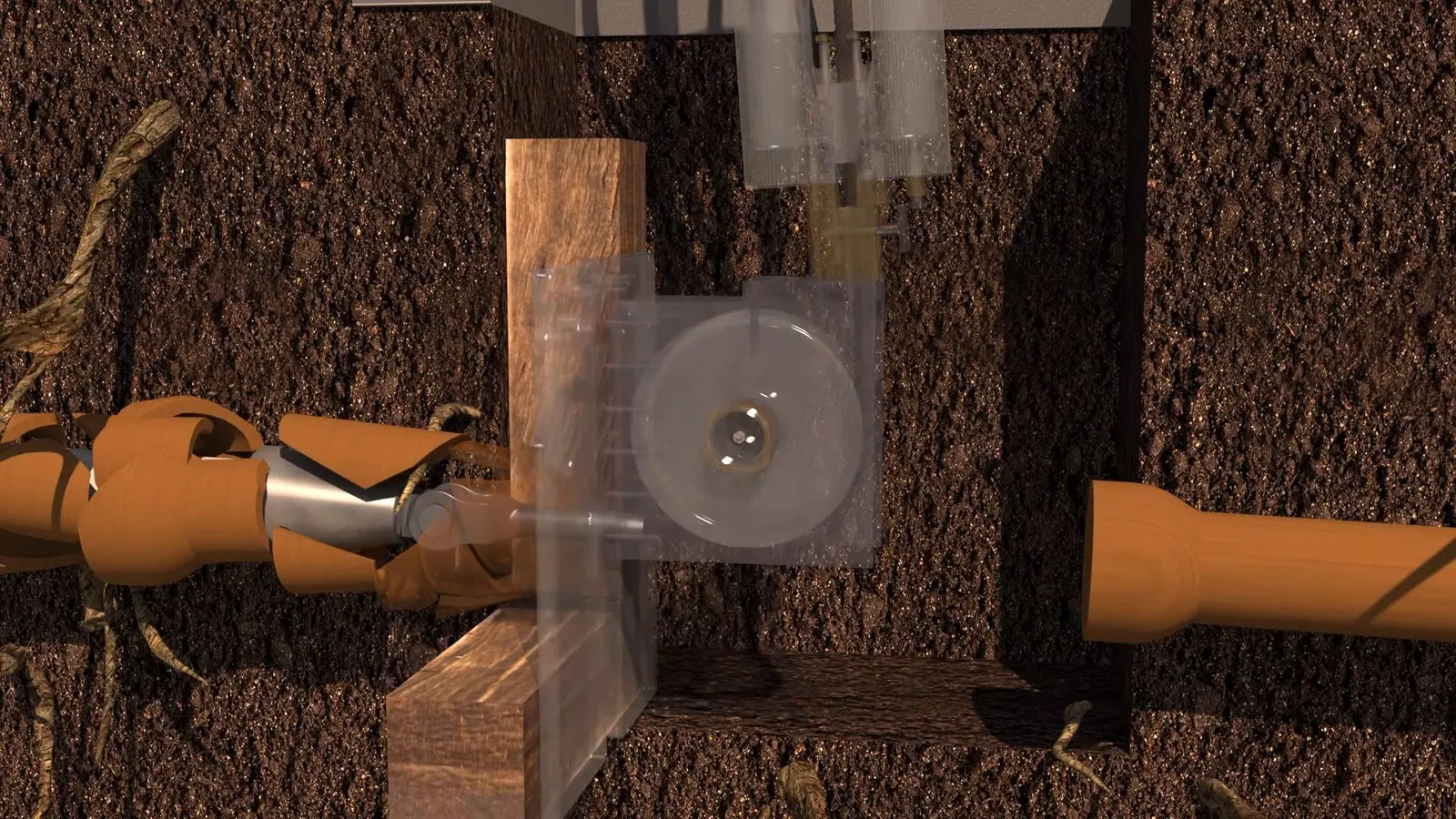
- Roots. In dry ground a leaking pipe joint is one of very few dependable water sources, so desert trees and shrubs pursue it hard and travel a long way to get there.
- Ground movement. Settlement under a buried line creates sags where solids collect, and offsets at joints where the pipe no longer lines up.
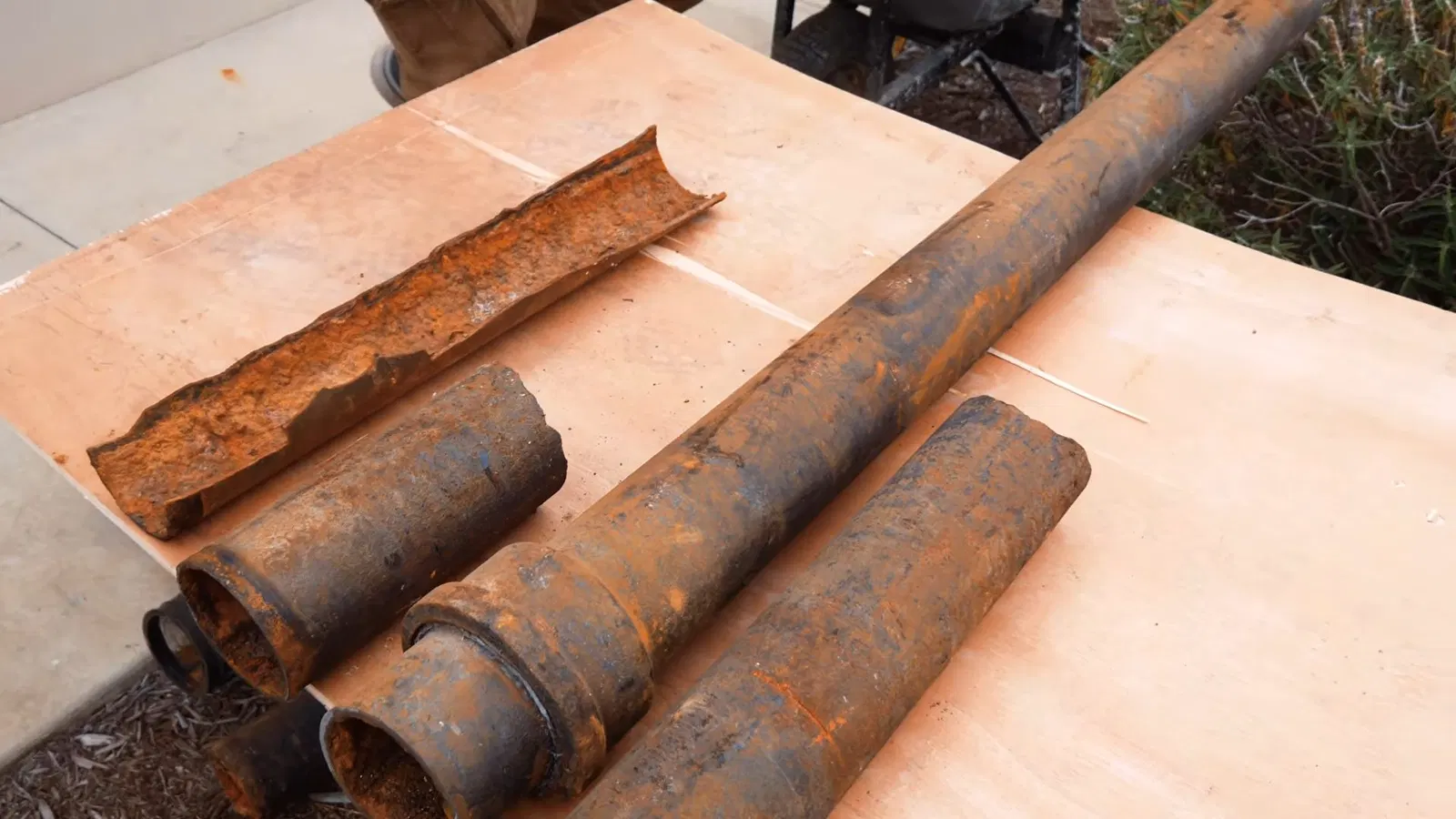
- Age and material. Older runs on properties built decades ago may be cast iron or clay, both of which fail in characteristic ways that modern PVC does not.
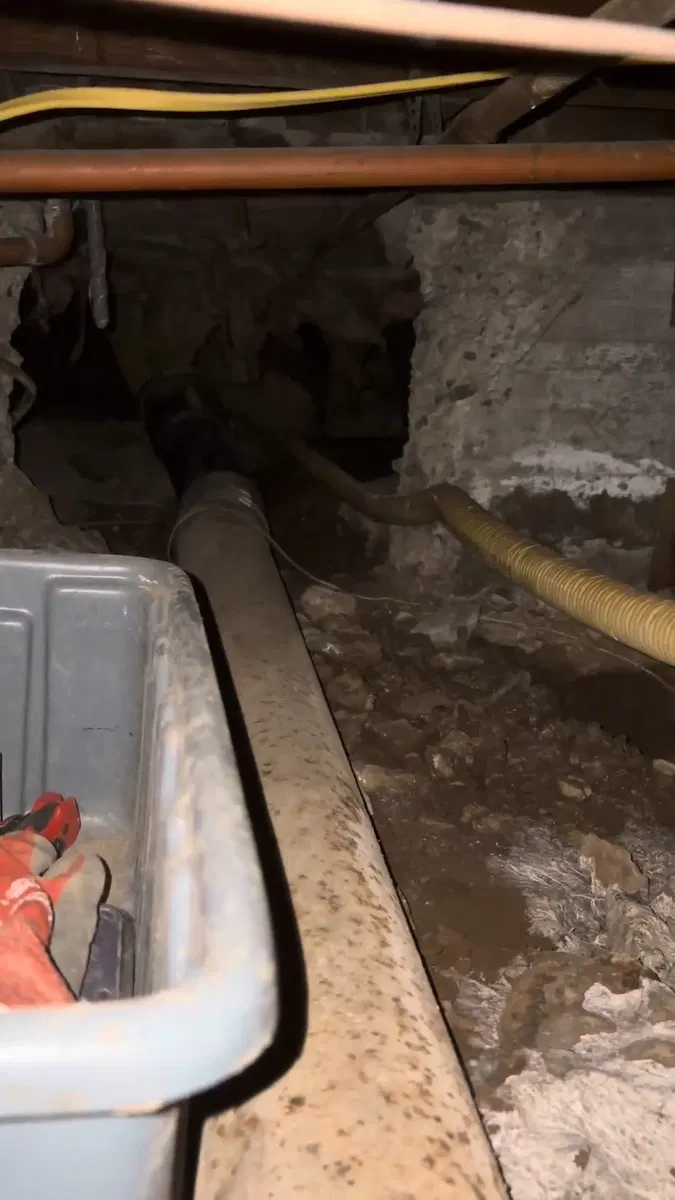
Roots deserve the top spot because the causation runs the wrong way round from what people assume. Roots do not usually break a sound pipe. They find a joint that is already weeping slightly, then grow into it and enlarge the defect over years.
That is why root removal alone is a holding action. Clearing the mass restores flow and the line works again, but the entry point is still there and still leaking, so the roots come back on a fairly predictable cycle. Deciding whether to keep clearing or to fix the joint is a genuine cost comparison, and it depends on how many entry points the camera shows and how far apart they are.
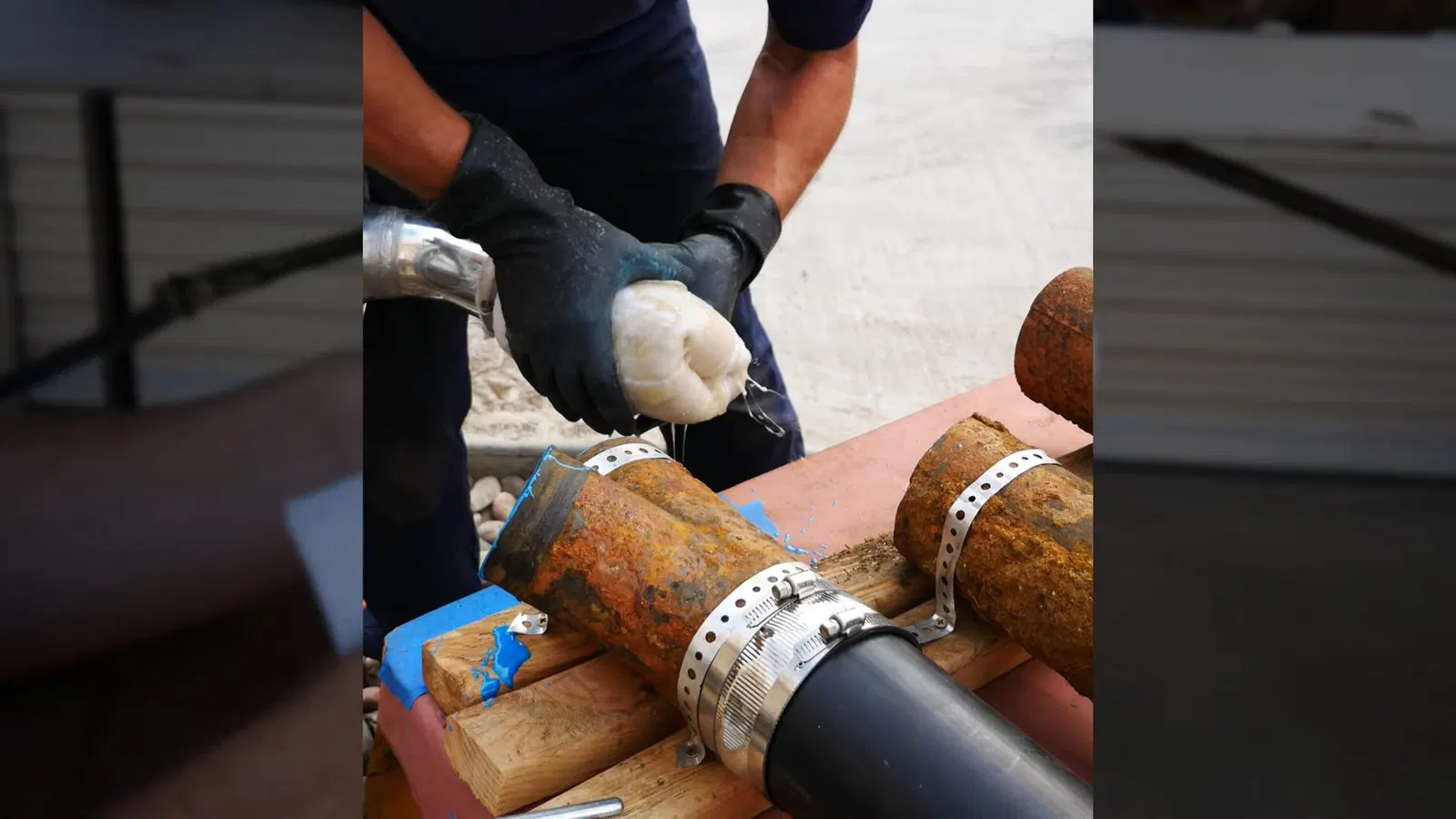
Repair options, from least to most disruptive
| Option | When it fits | Disruption |
|---|---|---|
| Clear and monitor | Single root entry, otherwise sound pipe, owner accepts a cycle | None beyond the clearing itself |
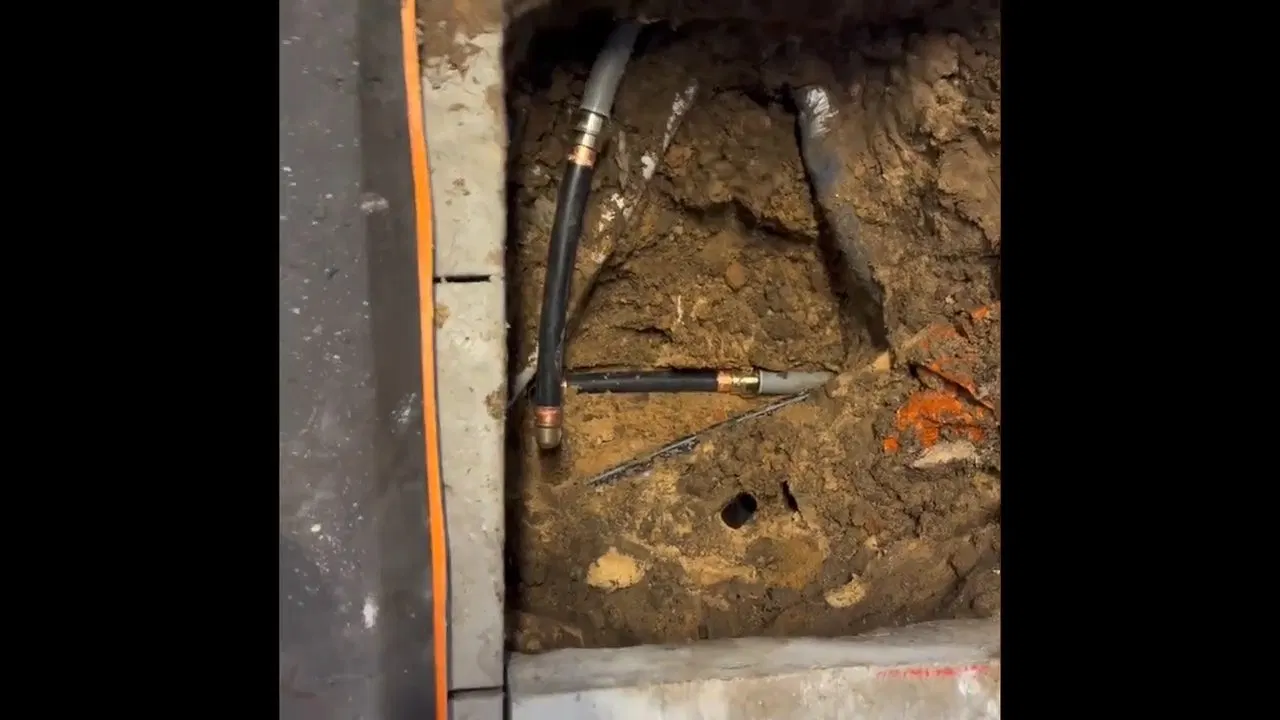
| Spot repair by excavation | One defect, known location and depth, reachable ground above | One dig, typically a few feet across |
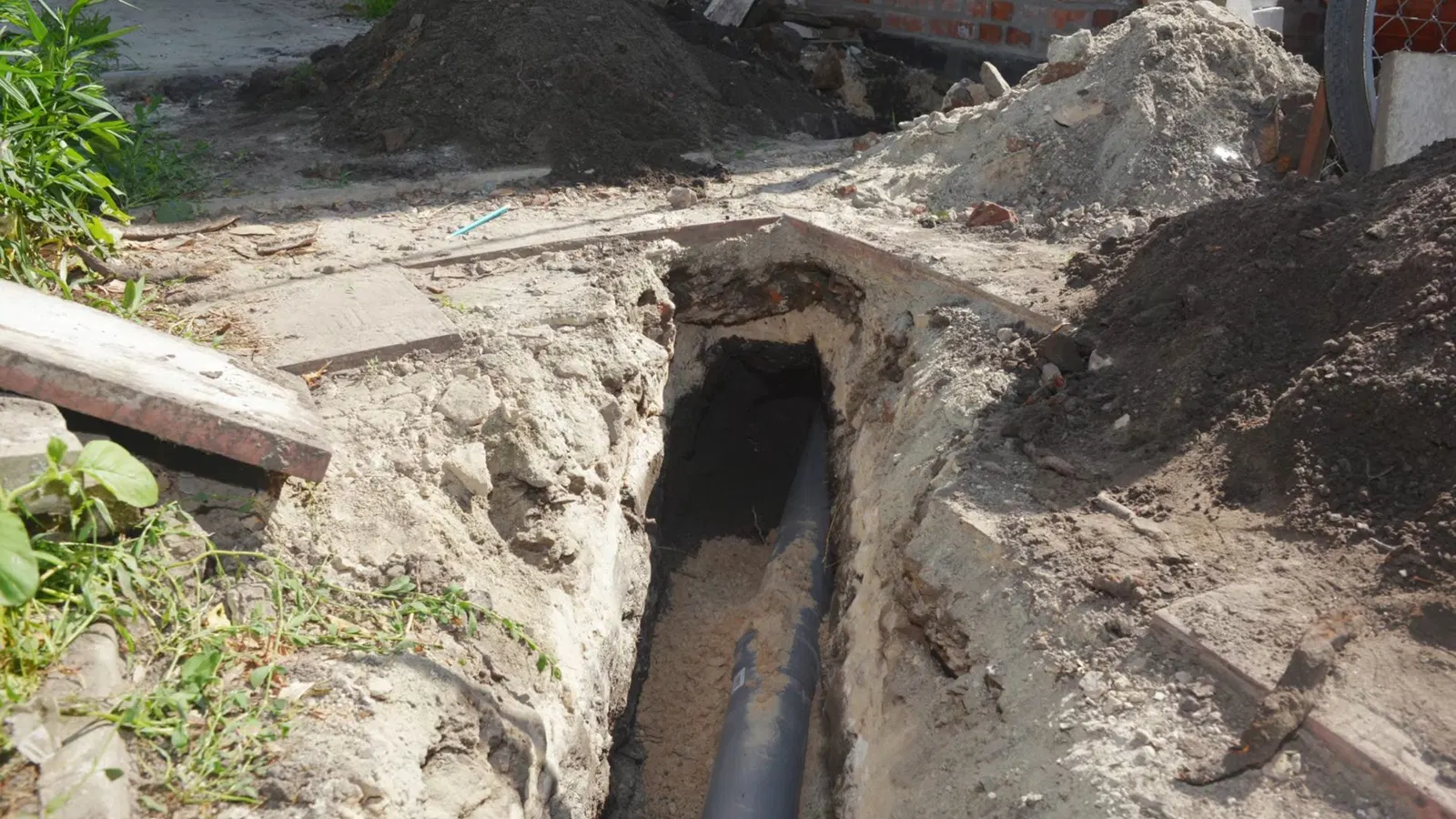
| Section replacement | Several defects clustered, or a sag needing the pipe re-bedded | A trench along the affected length |
| Full replacement of the private run | Multiple failures along the length, or a line at end of life throughout | The largest option; route can sometimes be changed to a better one |
How to compare these properly
The honest way to compare these is not by price on the day. It is by price against the realistic interval before the next intervention.
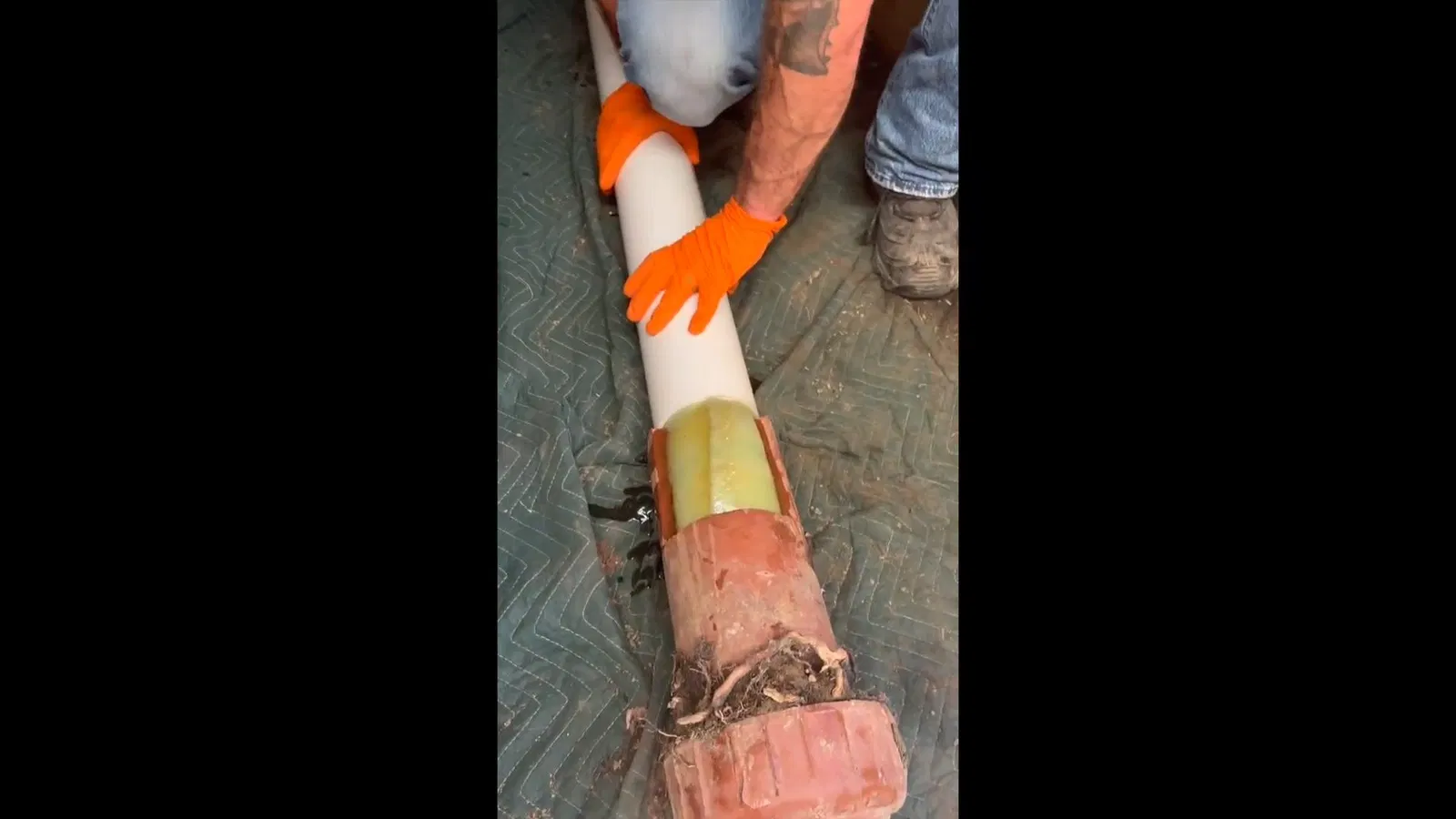
Clearing a root intrusion is by far the cheapest single action, and if the camera shows one entry point on otherwise sound pipe, doing it on a cycle can be entirely rational for years. If the camera shows six entry points along a hundred feet, the same approach is a slow way of spending more than the replacement would cost.
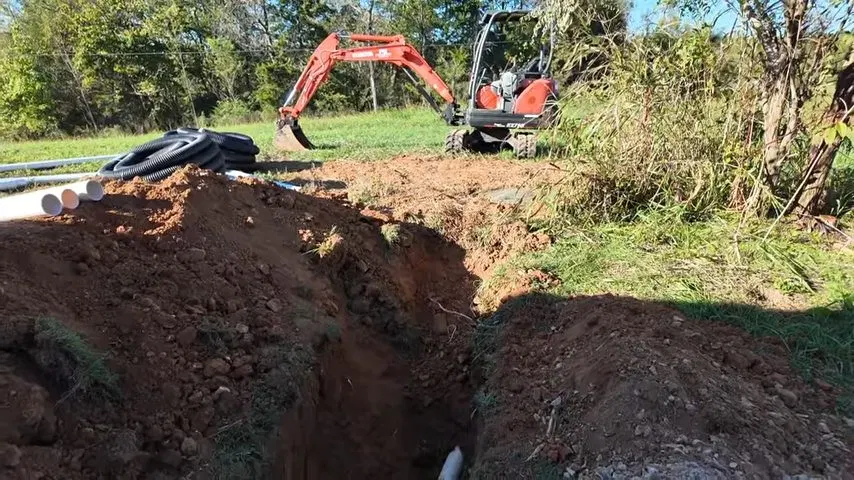
That comparison is impossible without seeing the line, which is why an inspection comes before a quote rather than after it. A replacement quote produced without footage is a guess with a number on it.
TALK IT THROUGH FIRST
Never agree to a line replacement without seeing the footage first. Call (480) 806-2944 and describe what you are seeing; you will get a range and a window before anyone is dispatched.
What a replacement job actually looks like
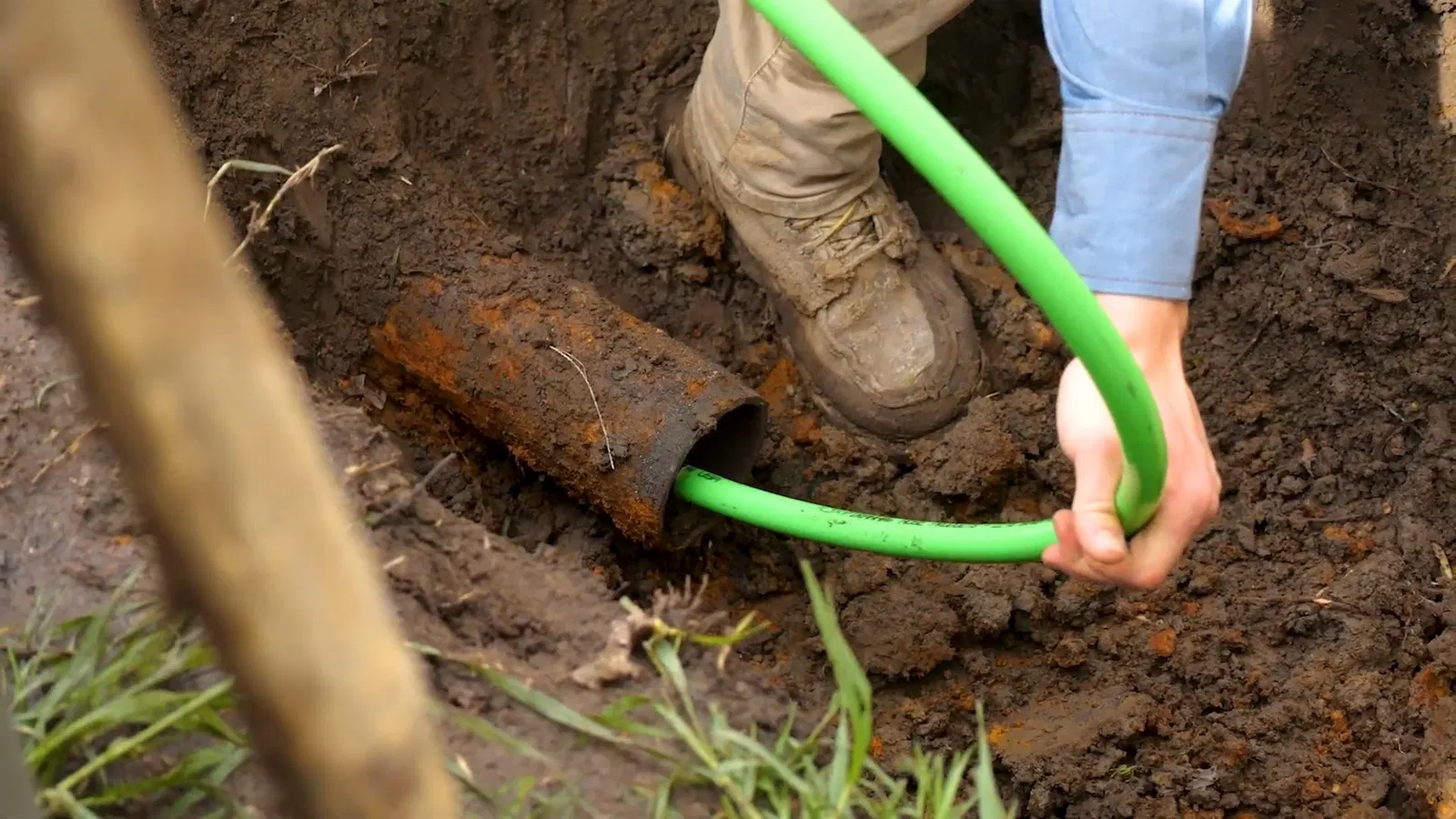
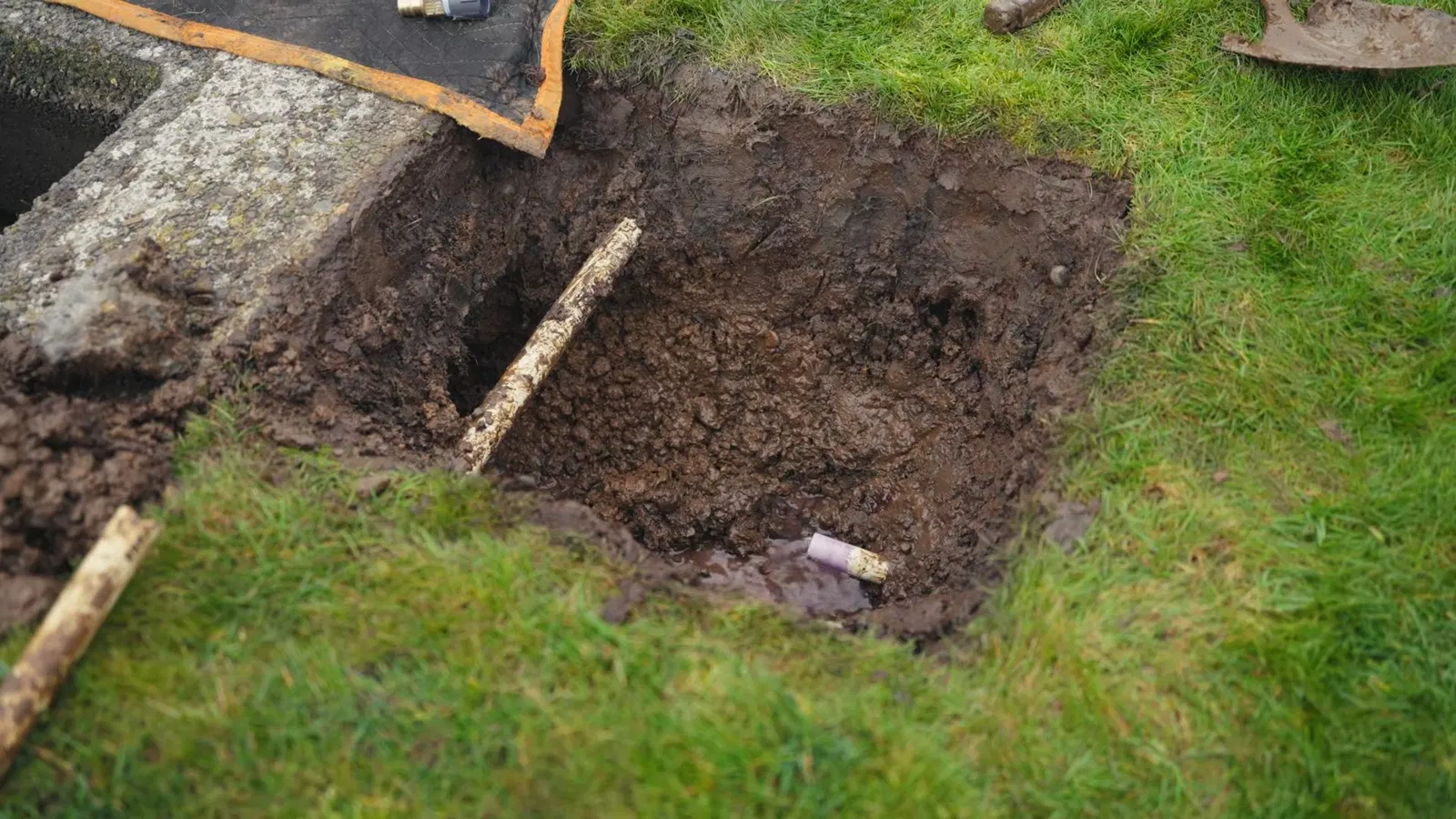
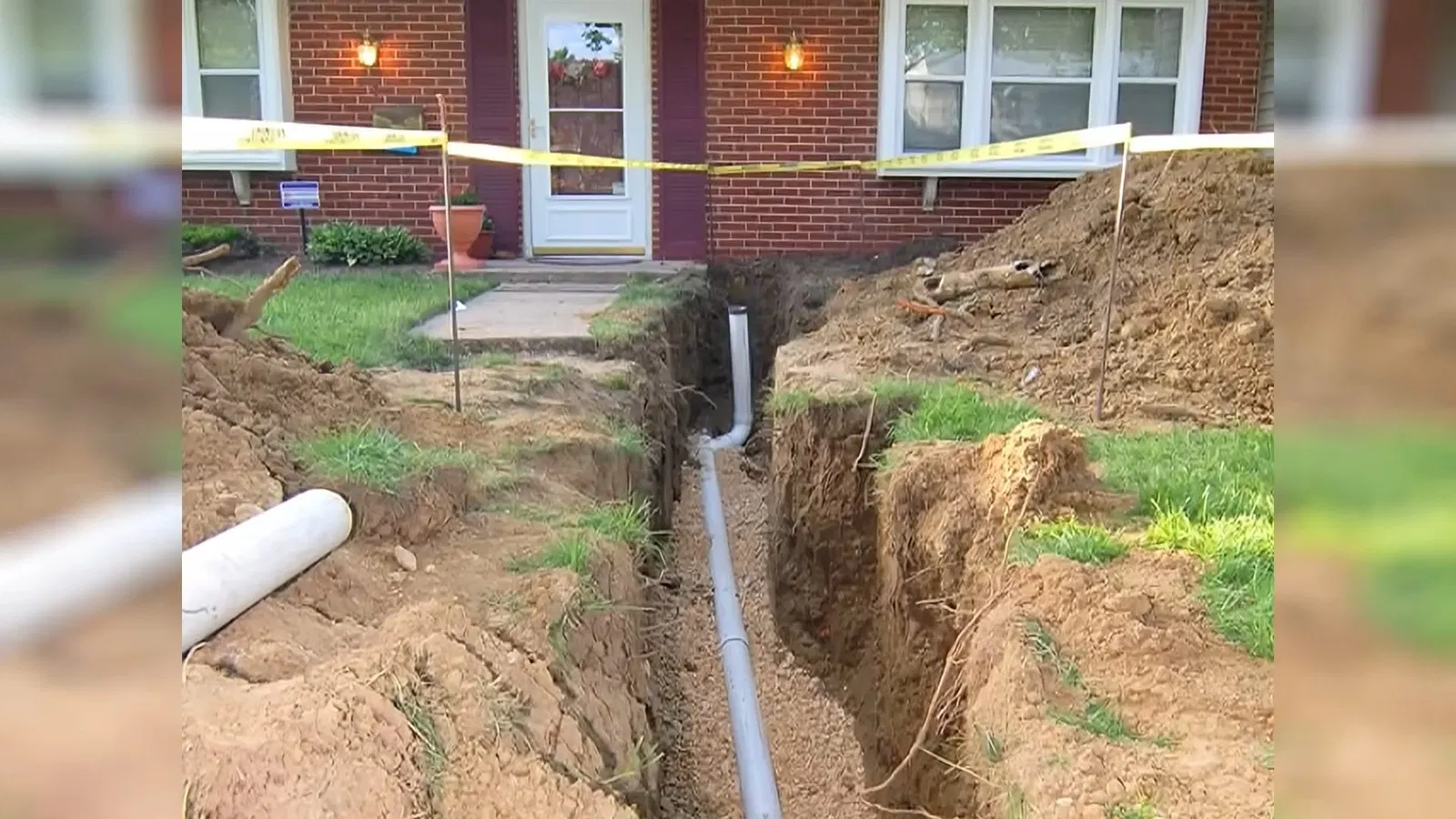
Excavation follows the marked route, which is why locating with a sonde beforehand matters: the trench should follow the pipe rather than searching for it. On a property with mature landscaping, irrigation runs and hardscaping, the difference between an accurate route and an approximate one is substantial.
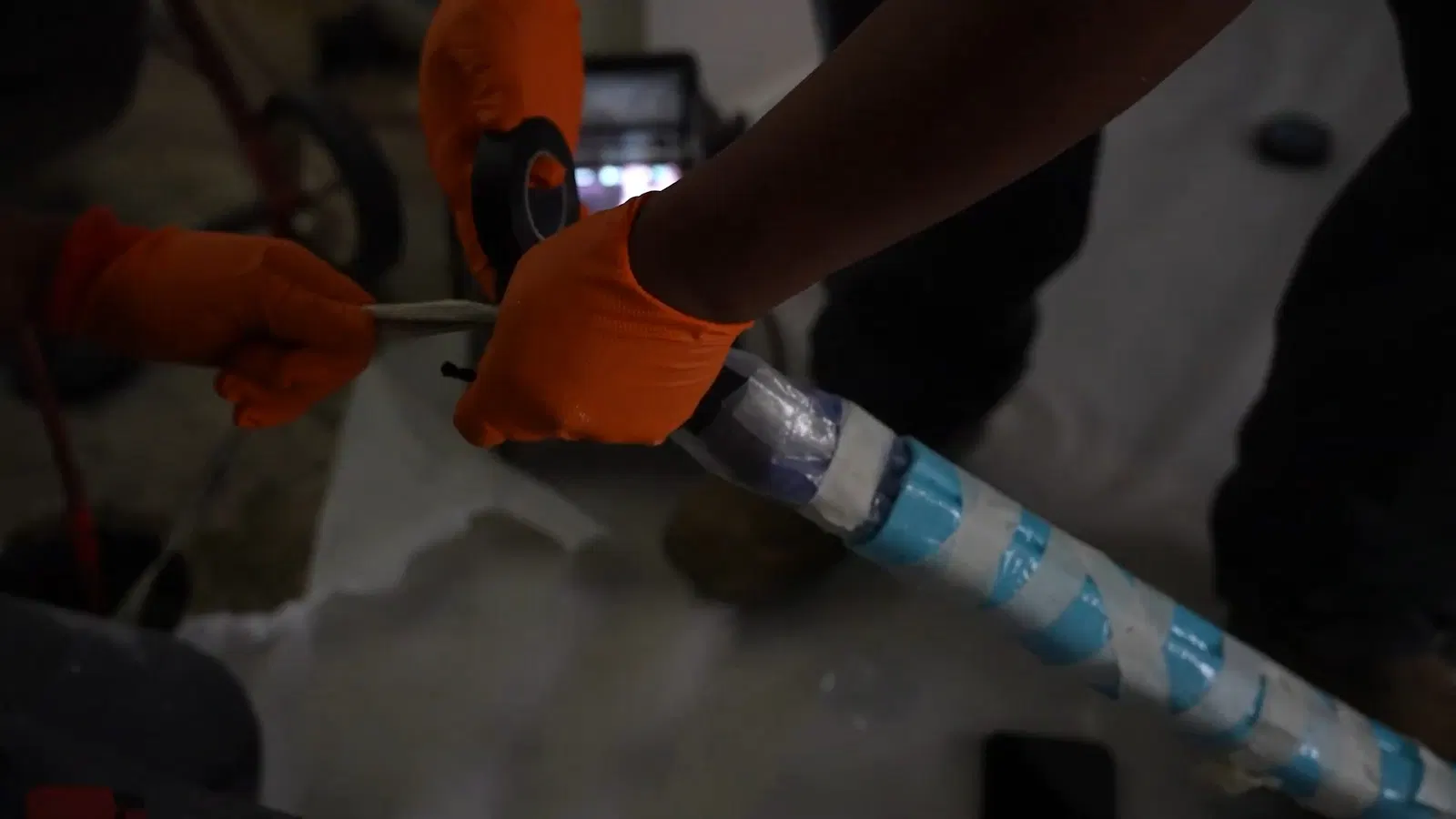
New pipe is laid on properly prepared bedding, and this is the part that determines whether the replacement lasts. Sags come from inadequate bedding and from backfill that settles unevenly, so a line laid on disturbed ground without proper compaction can develop the same belly the old one had.
Where the property is on septic rather than sewer, the tank connection and any distribution arrangement are part of the picture, and the county regulates onsite wastewater systems including where they can sit relative to washes and floodplain. That is worth establishing before work is planned rather than during it.
Restoration of the surface is a real component of the cost on properties like these, and it is worth having quoted explicitly. Replacing pipe is predictable. Reinstating a driveway, mature planting or a decorative surface is where estimates diverge most.
Warning signs worth acting on before it becomes an emergency
The reason early action is cheaper here
- Repeat blockages at roughly the same interval, which usually means roots on a cycle.
- Gurgling from a fixture when another one drains, indicating air moving past a restriction.
- A patch of ground along the line route that is greener or softer than the rest.
- Smell outdoors near the run, particularly after rain.
- Multiple fixtures slow at once, which puts the problem downstream of everything.
- Any of the above on a property you have just bought, where you have no history.
Acting on these early is worth real money here because of the failure mode. A sewer line does not usually stop working gradually and politely. It works, then it does not, and when it does not the waste water finds the lowest opening inside the building.
At that point what was a planned excavation becomes an emergency excavation plus a contaminated water cleanup, and the second of those is frequently the larger bill.
Permit authority for line work, and the septic overlay
CODES AND PERMITS
Drainage and sewer work is code-governed like everything else, against the International Plumbing Code (IPC) as adopted locally. The Town of Cave Creek adopts it by reference in its municipal code and now works to the 2024 International Codes; unincorporated parcels sit under Maricopa County's 2018 adoption.
Septic properties carry an additional layer that catches people out. The Maricopa County Department of Environmental Services regulates onsite wastewater systems, and a submittal has to identify every wash, drainage easement, floodway and floodplain boundary on the parcel. On land crossed by washes, which describes a great deal of this area, that requirement can genuinely constrain where a replacement line or a field may go, so it is worth establishing at the planning stage rather than mid dig.
Sewer line questions on large-lot properties
How do I know if the problem is my line or the utility's?
On a sewer connection, the private line from the building to the connection point is yours. Where exactly that point sits depends on the connection, and it is worth establishing before assuming either way.
On a septic property the question does not arise: the entire system from the fixtures to the drain field is the property owner's. Given how much of this service area is on septic, that is the more common situation locally.
Can a sewer line be relined instead of dug up?
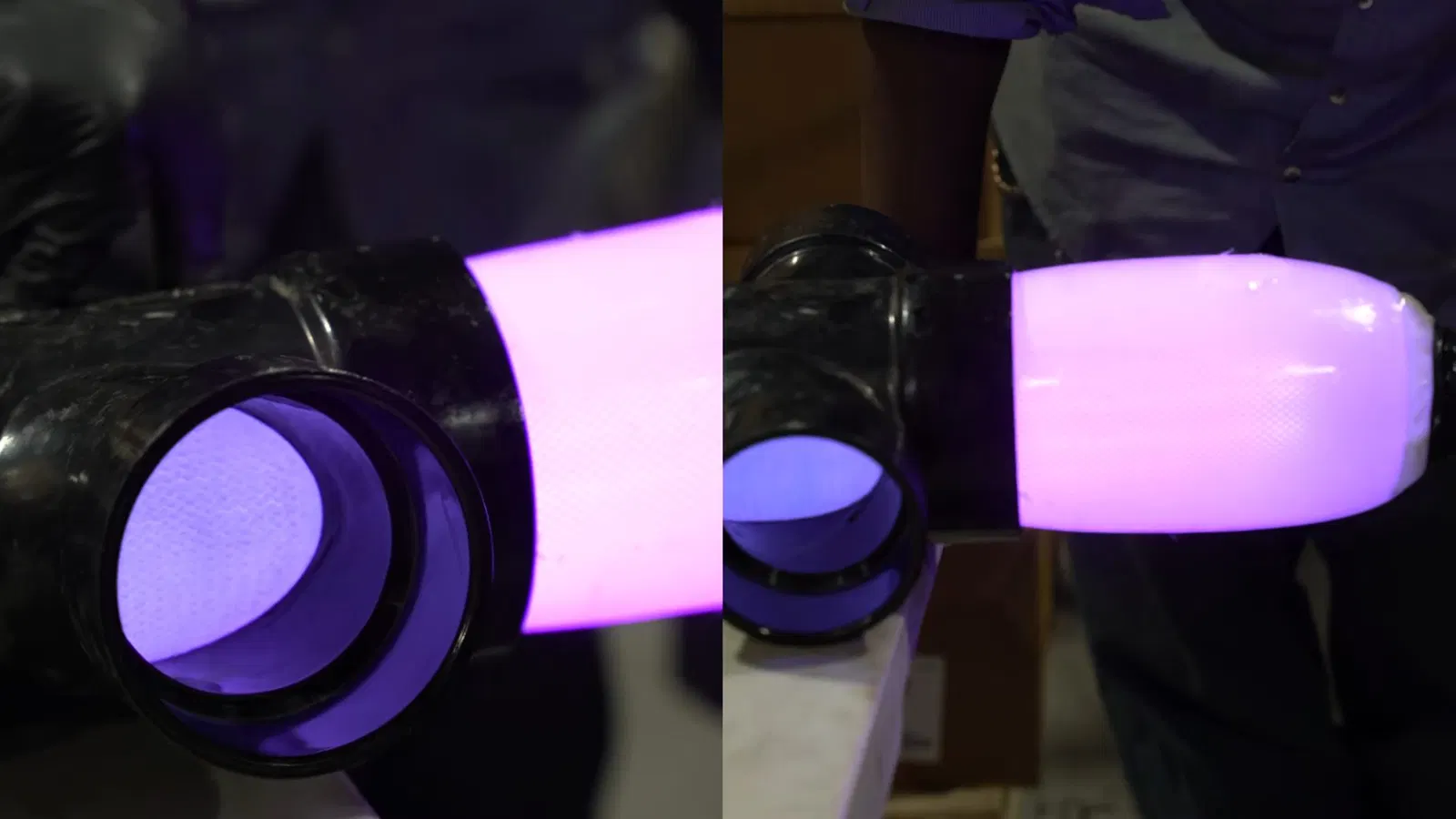
Trenchless methods exist and suit some situations. They generally need the host pipe to be structurally continuous, reasonably straight and free of severe offsets, so a collapsed section or a significant sag usually rules them out.
Whether the line qualifies is a question the camera footage answers. It is worth asking about specifically, because avoiding a trench across established landscaping can be worth a premium on the pipe work itself.
Why do roots keep coming back after clearing?
Because clearing removes the roots, not the reason they were there. They entered through a defect, usually a joint that was already leaking slightly, and that defect is unchanged after the cable or the jetter has passed through.
In a desert that leak is a valuable water source, so regrowth is close to guaranteed. The interval is fairly predictable, which at least makes it plannable, but permanently solving it means addressing the entry point rather than the growth.
Does the hard water here affect drain lines too?
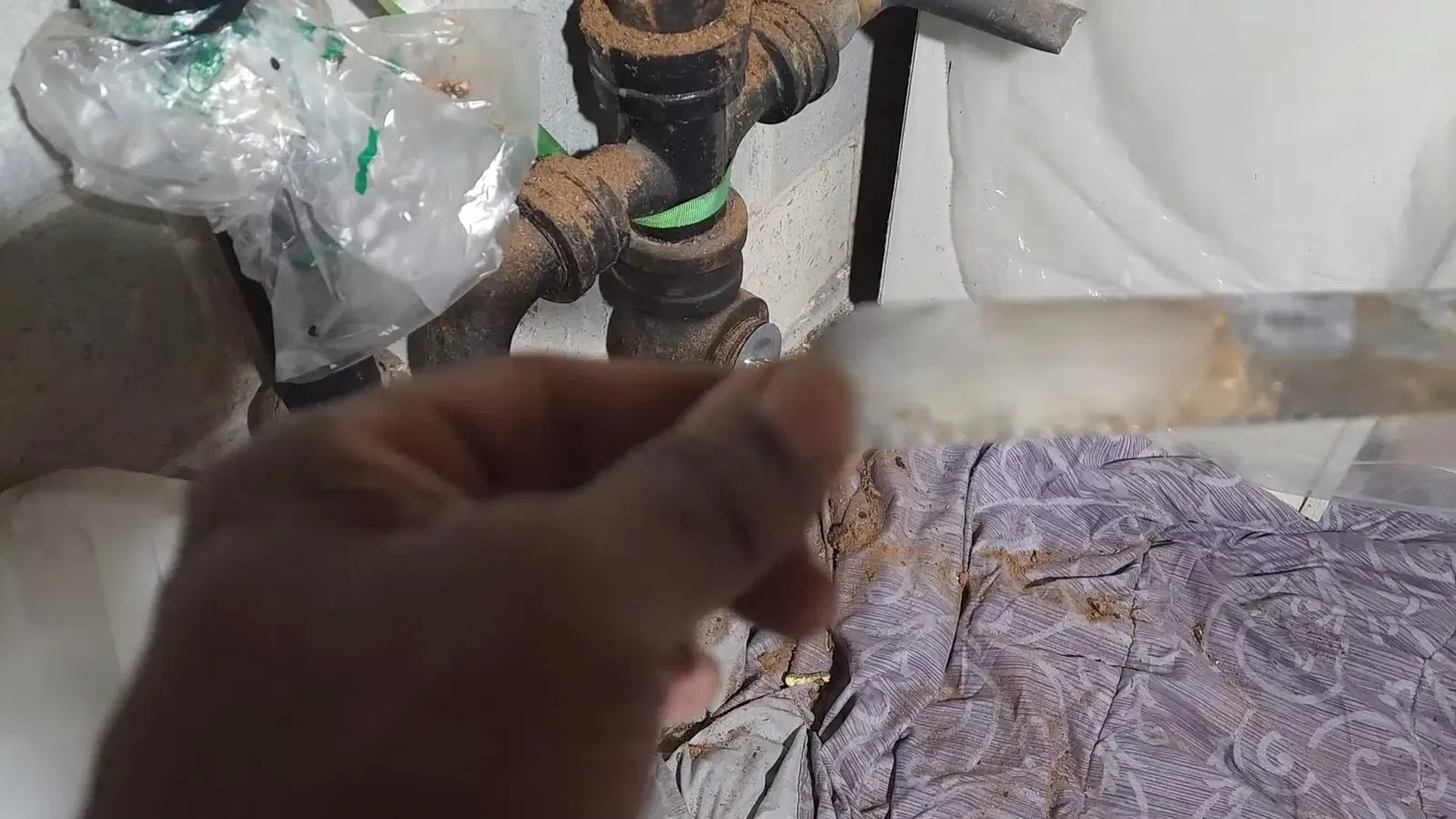
It does, though differently from the supply side. Mineral deposits build on the inside of waste lines and gradually reduce the effective diameter, so a line that once cleared easily starts catching material.
The practical difference is that scale responds to scouring rather than to boring through. A cable makes a hole in the middle, whereas jetting cuts the deposit back off the wall, which is why it is the appropriate tool for that particular finding.
How long does a replacement take?
A spot repair is often a day. A section replacement typically runs one to three days depending on length, depth and ground conditions. A full private run on a large parcel can be longer.
Ground here can include caliche and rock, which slows excavation and is worth flagging when getting a quote, because it is a common source of variation between an estimate and a final invoice.
Do I need a permit?
Often, and it depends on where the property sits. Inside the town limits, the Town of Cave Creek runs its own building department. Outside them, unincorporated parcels go through Maricopa County Planning and Development.
Septic work has an additional layer, since the county's Department of Environmental Services regulates onsite wastewater systems and a submittal has to identify washes, drainage easements and floodway boundaries on the parcel. Whoever quotes the work should tell you which applies to your address.
Been quoted for a sewer line?
Bring the camera footage to the conversation if you have it. If you do not, getting it is the cheaper first step before committing to excavation.