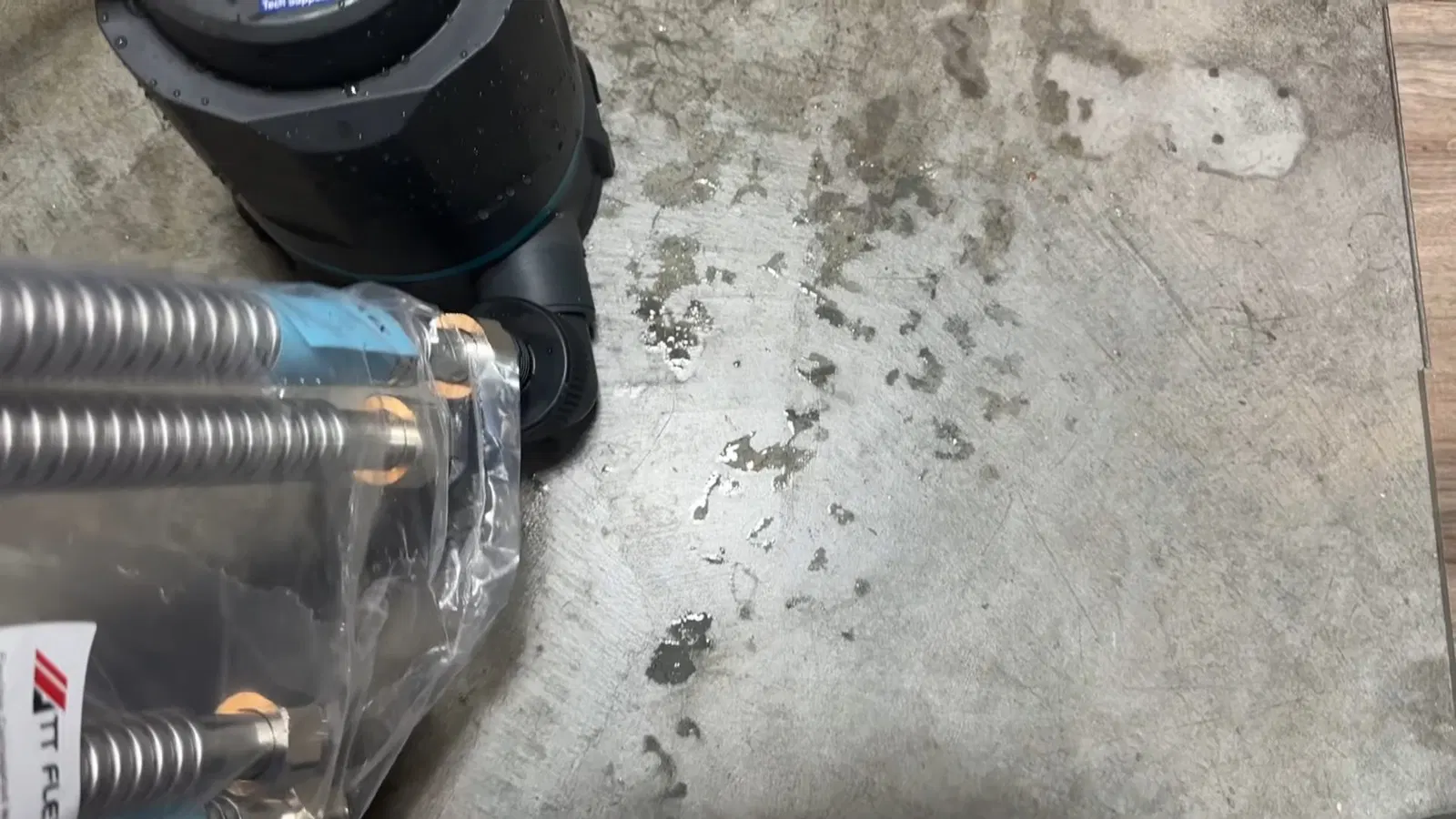
Start by describing the fault precisely
There are three different complaints that all get phoned in as no hot water, and they point in different directions. Working out which one you have takes a minute and changes what happens next.
No hot water at all means the unit is not heating. On gas that points at the pilot, thermocouple or gas control valve. On electric it points at power, a failed upper element, a thermostat, or a tripped high-limit cutout.
Not enough hot water, where it starts warm and goes cold sooner than it used to, is usually either a failed lower element on an electric unit or sediment occupying the volume that used to hold hot water. In this area the second is common enough to be the first suspicion.
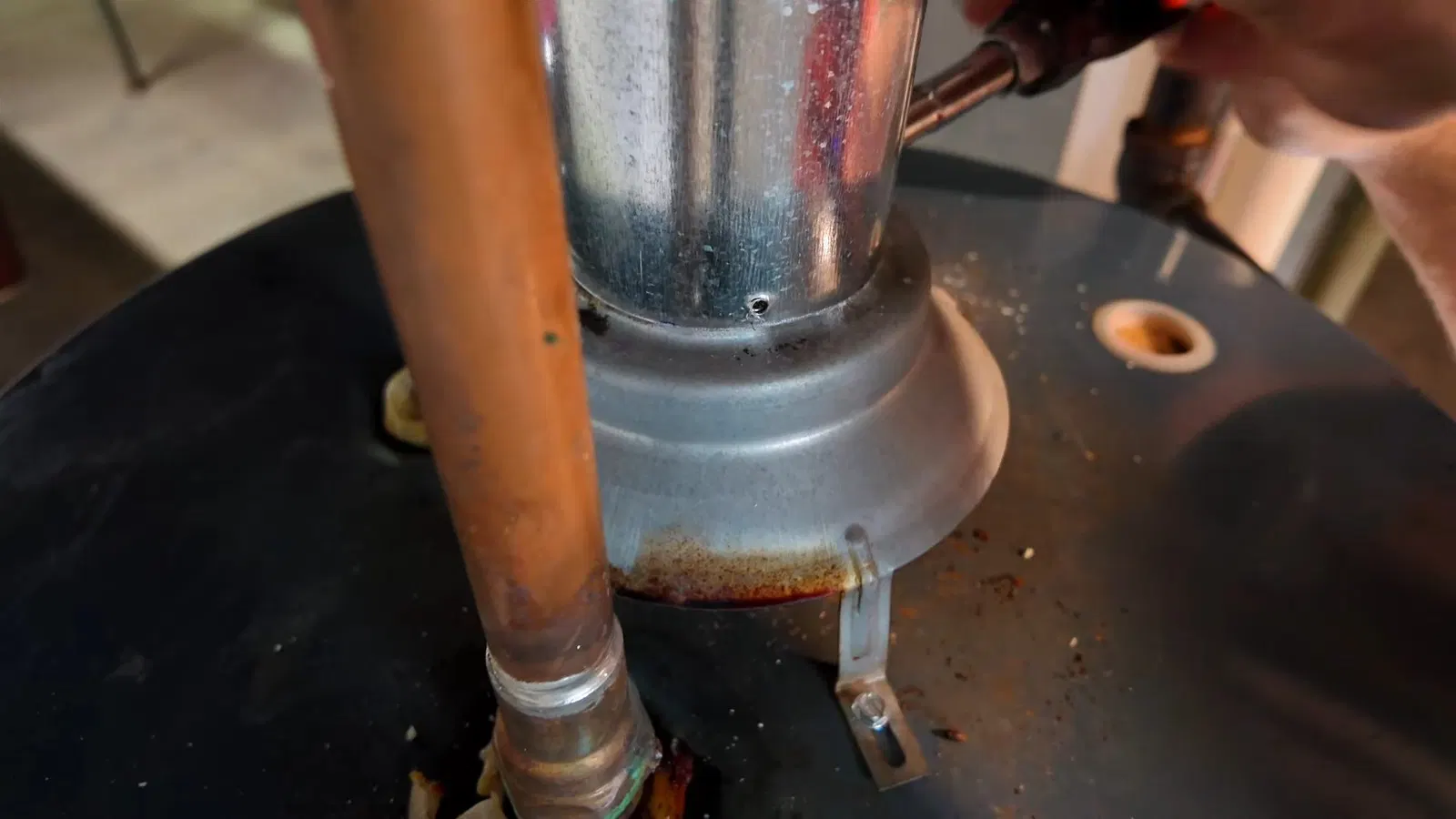
Warm but never properly hot is most often a thermostat setting or calibration, or an element working at reduced output. It is also the one people live with longest before calling, which is a shame because it is frequently the cheapest to fix.
The checks, in order
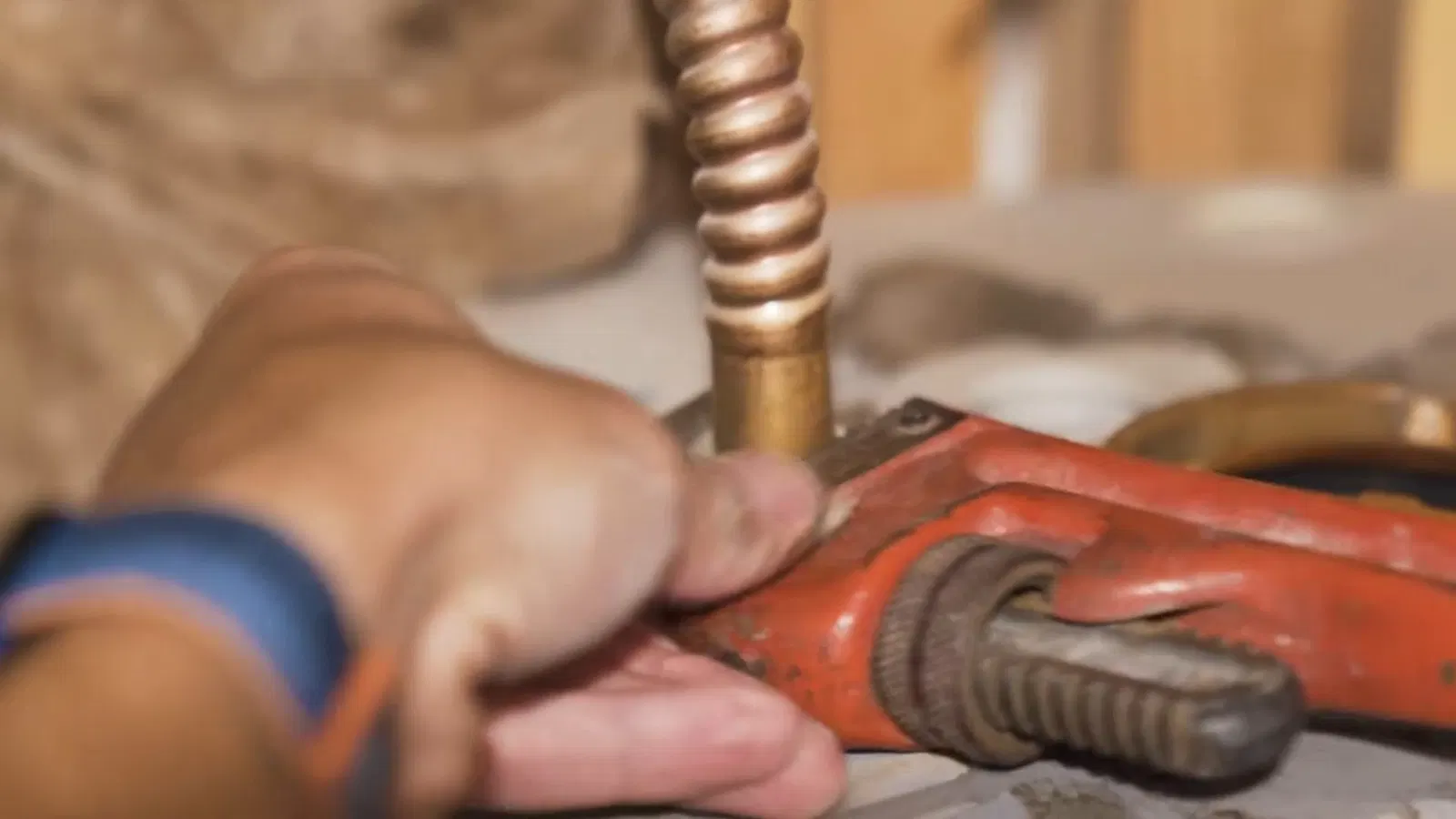
- Electric: find the high-limit cutout behind the upper access panel. If the red reset button has popped, press it once. A surprising share of dead electric heaters are exactly this.
- Electric: check the breaker at the panel. It is separate from the reset, and either can be the cause.
- Gas: check whether the pilot is lit on designs that have a visible one, and whether the gas supply valve at the unit is open.
- Both: check the thermostat setting has not been moved, by a household member, a guest, or during other work.
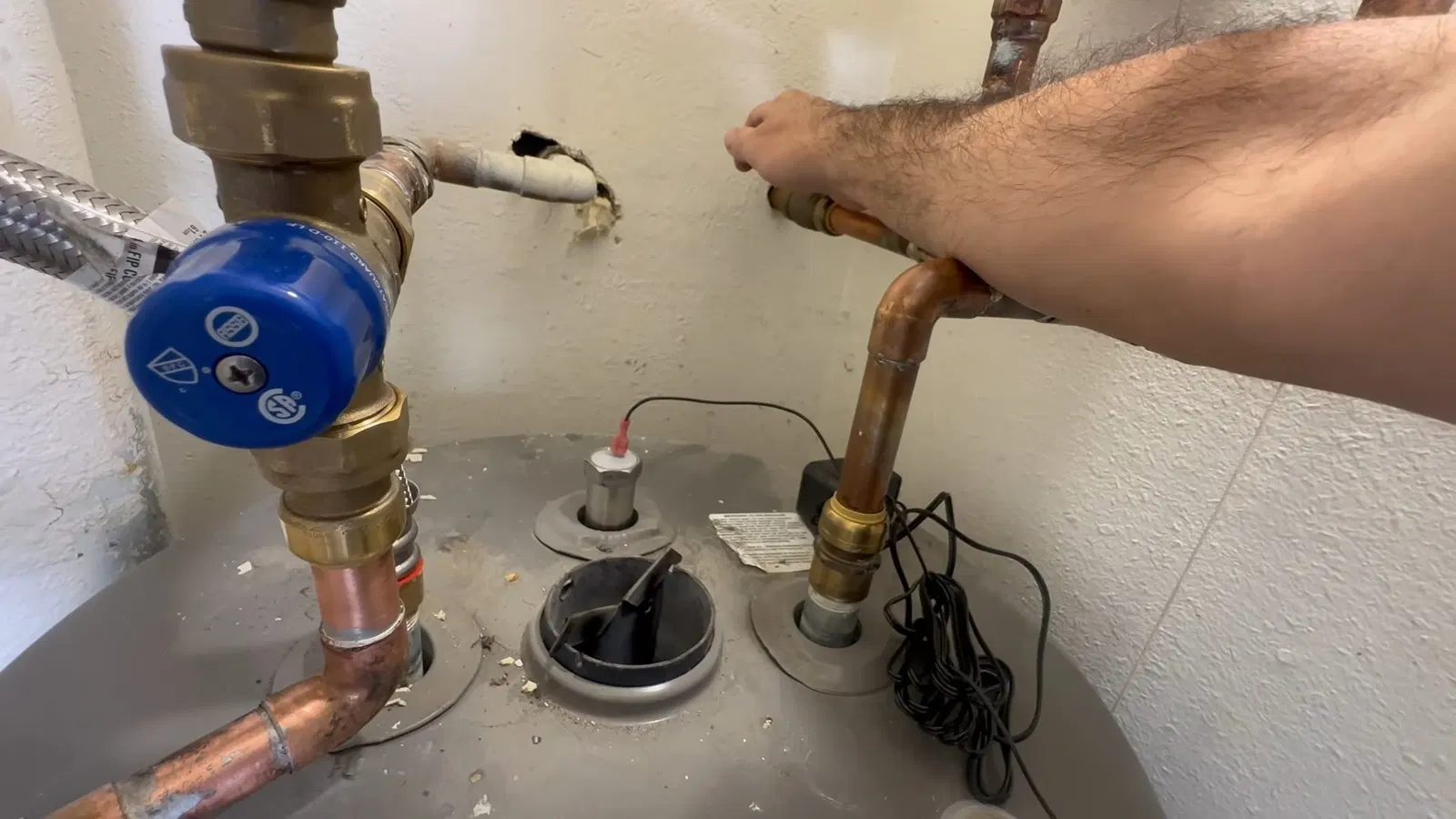
- Both: look at the base for moisture, and note whether water is coming from a fitting above or appearing underneath the unit itself.
- Both: listen while it heats. Rumbling or popping is sediment, and it is useful information whether or not it is today's fault.
- Both: find the rating plate and read the serial number, which encodes the manufacturing date.
One rule about that first item. Reset it once. If it trips again, stop and call. That cutout is a safety device responding to a real over-temperature condition, and repeatedly resetting it defeats the purpose of having it. Something is causing it, and the something is usually a failed thermostat sticking the element on.
If you smell gas at any point, leave the building, do not switch anything on or off, and call the gas utility or 911 from outside. That comes before calling a plumber, and it is the one situation on this page where troubleshooting is the wrong instinct.
STUCK ON THIS ONE?
If the reset trips twice, stop resetting and call instead. Call (480) 806-2944 and you will get a range and an arrival window before anyone is dispatched.
Why the age matters more here than the symptom does
The tank is the part nobody can fix
On a unit under about six years old, a heating fault is usually just a heating fault. Elements, thermostats, gas valves and thermocouples are replaceable parts, the tank has real life left, and repair is straightforward good value.
Past about ten years in water this hard, the calculation changes, and it changes for a reason specific to this area rather than to water heaters in general.
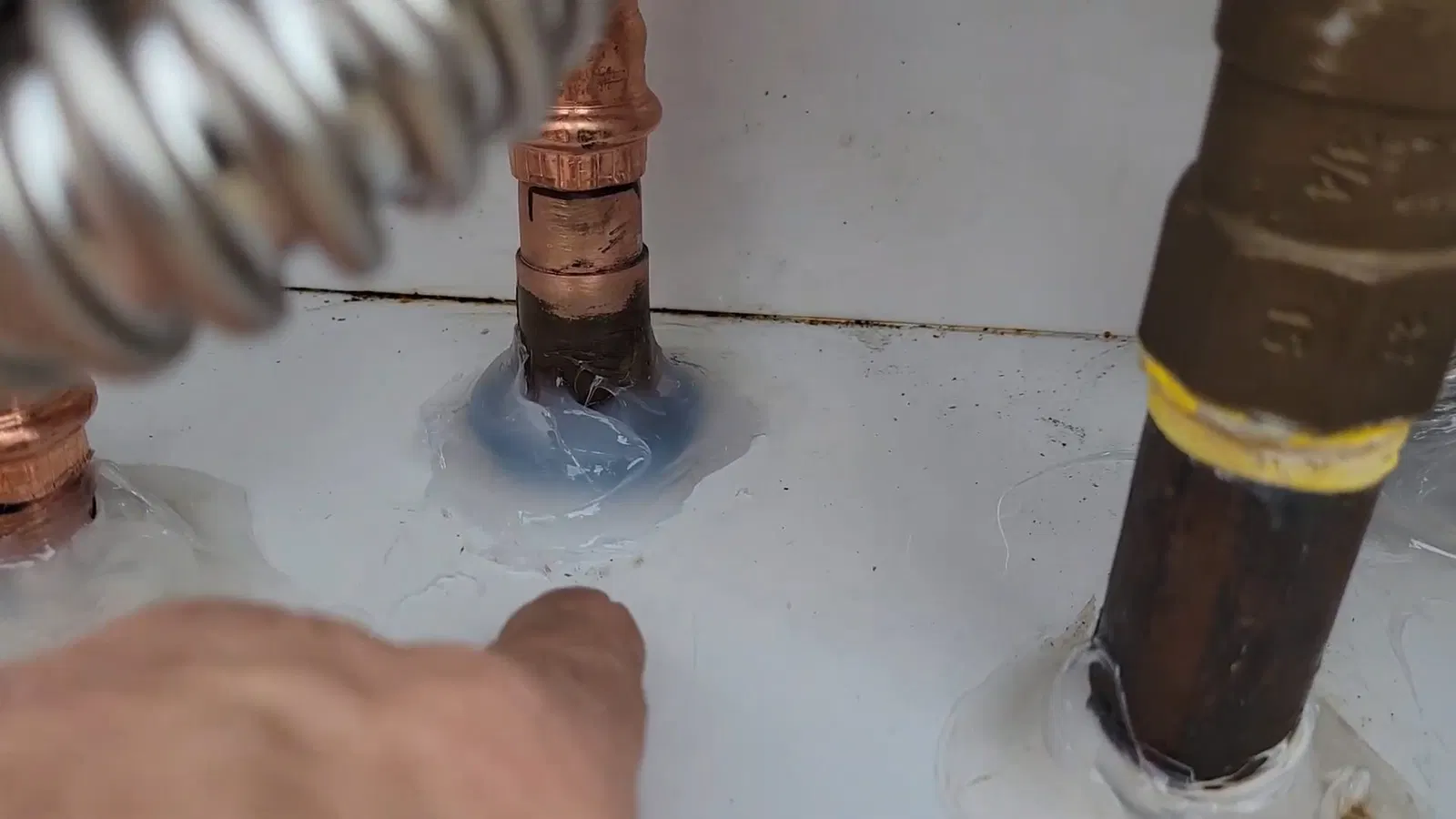
Water here is very hard, widely reported in the mid to high teens in grains per gallon. Every gallon heated deposits mineral on the hottest surface, permanently, for the life of the unit. That layer insulates the steel above a gas burner from the water that used to cool it, so the metal runs hotter than designed for years.
The result is that the part which cannot be repaired, the tank itself, has been quietly deteriorating the whole time regardless of which component failed today. Spending meaningfully on a decade-old unit here is buying borrowed time, and the borrowed time tends to end with water on the floor rather than with a cold shower.
What each symptom usually costs you in scope
| Symptom | Usual cause | Scope |
|---|---|---|
| Electric, completely dead | Tripped cutout or breaker | Often nothing; occasionally a thermostat |
| Gas, no flame | Thermocouple or pilot assembly | A part and an hour |
| Warm but not hot | Thermostat setting or calibration | Adjustment or a part |
| Runs out early | Sediment volume, or a failed lower element | Flush and test; part if the element has gone |
| Rumbling while heating | Sediment layer | Flush helps early; heavy deposits are permanent |
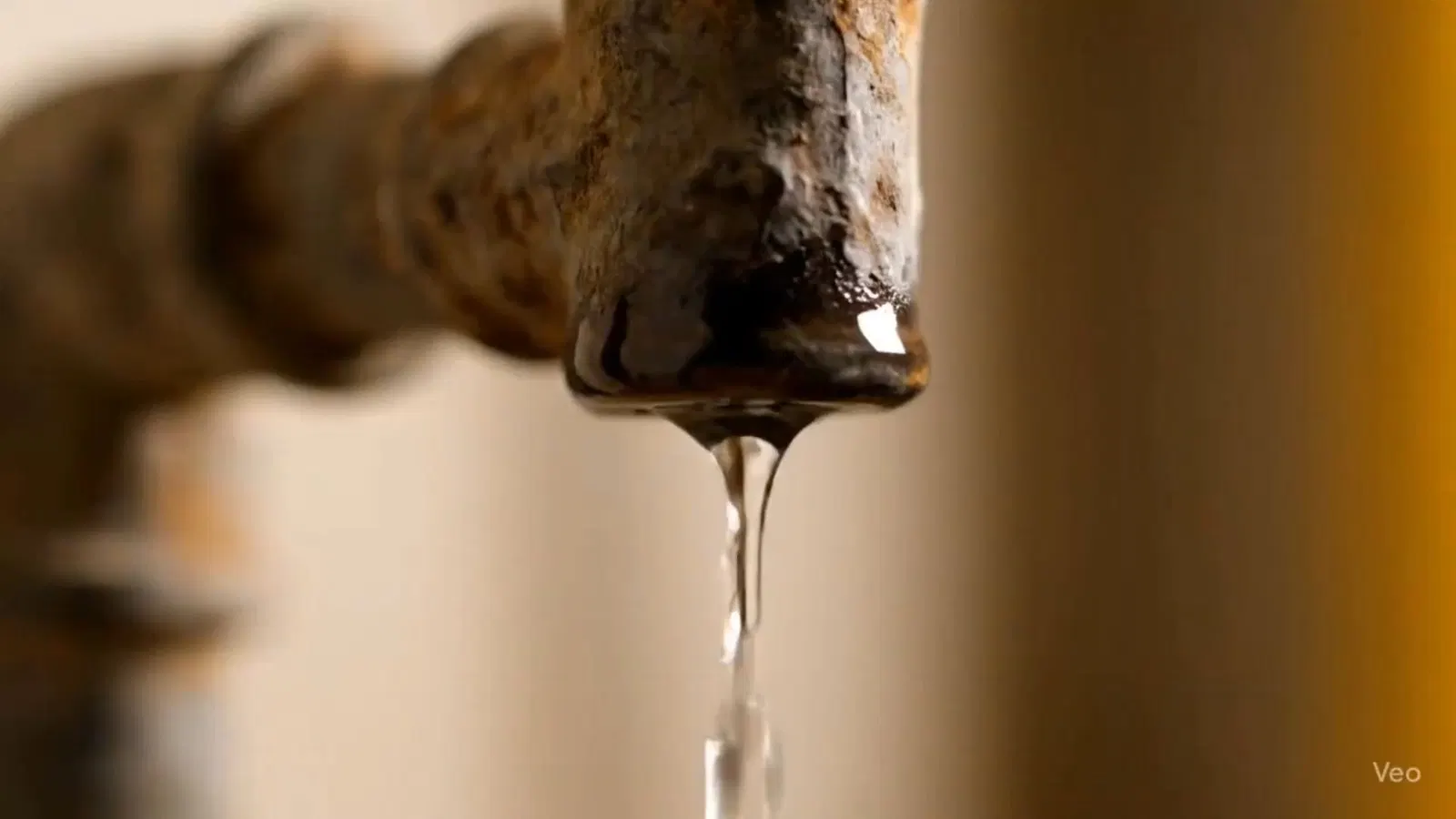
| Rust in the hot water | Spent anode rod, or tank corrosion | Rod replacement, or the unit is finished |
| Water at the base | Fitting weeping, or the tank failing | Repair, or immediate replacement |
The rust row is the one people most often postpone and most often should not. The anode rod is a sacrificial component that corrodes so the tank does not, and hard water consumes it faster. Once it is gone, the tank is what corrodes instead.
Replacing a rod on a mid-life unit is inexpensive and genuinely extends its life. Discovering the rod is gone on a twelve year old unit usually means the useful window for that intervention closed some time ago.
Deciding without being sold to
The honest version of the repair or replace conversation runs on three inputs: the age of the unit, the cost of today's repair, and whether the tank is showing signs of its own.
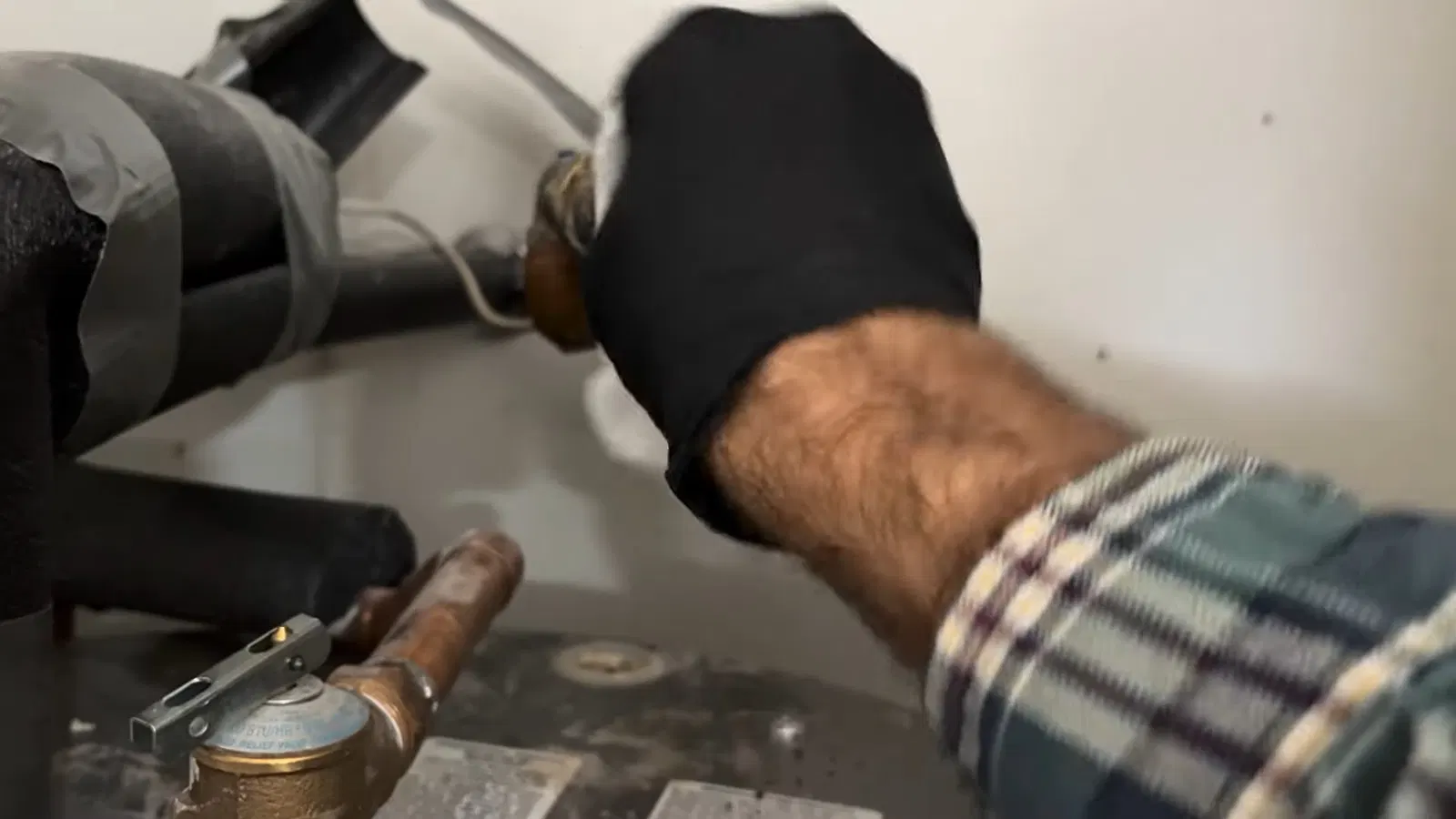
Under six years, repair. Six to ten, repair if the part is cheap and the unit is quiet, think harder if the repair is significant or it rumbles. Over ten, a substantial repair is usually poor value and you should expect to be told so plainly rather than sold a part.
The argument for replacing before failure is not really about the appliance. A planned replacement is a scheduled visit at a scheduled rate, with time to choose the specification, decide whether to treat the water first, and consider whether tankless suits your maintenance habits. An unplanned one is an emergency call plus whatever the water reached.
If a contractor tells you a ten year old unit in this water should be repaired rather than replaced, ask what the tank sounds like when it heats. The answer to that question is more informative than the answer to almost any other.
Common no hot water questions
Is no hot water an emergency call?
Uncomfortable rather than urgent, in most cases. No hot water does not damage the building, so a morning appointment usually costs less and loses you nothing.
The line is answered around the clock, so you can ring at any hour and get an honest answer about which category you are in. Water around the unit changes that answer immediately.
The reset keeps tripping. Can I keep resetting it?
No, and this is worth being firm about. The high-limit cutout trips because water in the tank exceeded a safe temperature.
Repeatedly resetting it overrides a safety device instead of addressing what is causing it, which is usually a thermostat that has failed with an element stuck on. Reset once; if it goes again, leave it off and call.
Why does my hot water smell?
Commonly the anode rod. It is sacrificial by design, and in some water chemistries the reaction it drives produces an odour, particularly after the tank has sat unused.
Changing the rod type usually resolves it. It is worth doing anyway, because a fully consumed rod means the tank has lost its protection.
Can I flush the tank myself?
Many people do, and on a unit that has been flushed regularly it is straightforward. It is less advisable on an old tank that has never been flushed.
Heavy sediment that has sat for a decade sometimes reveals a weakness that was already there when it is disturbed, and a drain valve on an old unit can fail to reseat. Worth knowing before you start.
Does the water heater cause my whole house to lose pressure?
Not usually. A water heater fault affects hot water, so cold pressure staying normal while hot drops points at the unit or its connections.
Pressure dropping at every fixture, hot and cold, is a supply question rather than a heater question. On a well or storage tank property that often means the pressure tank or pump, and it can also mean a loss somewhere on the line.
How do I read the age off the serial number?
Most manufacturers encode the manufacturing date in the first few characters, though the format varies by brand. A quick search for the brand plus serial number format usually resolves it.
Failing that, look for a permit sticker or an installation date written on the unit, or check purchase paperwork if the property changed hands recently.