HomeServicesTankless Water Heater
Water heaters
Tankless Water Heater in Cave Creek, AZ
Tankless removes the failure mode that floods your house. It does not remove the scale. Whether it suits you here comes down to whether you will maintain it.
The genuine advantage, stated plainly
The strongest argument for tankless in this specific area is not endless hot water or efficiency, useful as both are. It is that there is no tank to fail.
Storage water heaters here fail predominantly by leaking, because scale from very hard water insulates the steel above the burner and it eventually gives way. That failure typically happens with the supply still connected, often overnight, and it is a leading cause of indoor water damage locally.
A tankless unit holds a fraction of a gallon at any moment. When it fails, it stops producing hot water. It does not release forty or fifty gallons onto the floor and keep going. In a market where tank failure is the common ending, that is a meaningful risk reduction rather than a marketing point.
The efficiency and space advantages are real too, and the unlimited supply suits households with staggered demand. But if you are choosing on the strength of one argument here, that is the one.
TALK IT THROUGH FIRST
The honest answer depends on maintenance habits more than on the equipment. Call (480) 806-2944 and describe what you are seeing; you will get a range and a window before anyone is dispatched.
The condition attached, and it is not optional
Whether tankless suits you is a maintenance question
Scale does not disappear because there is no tank. It forms on the heat exchanger instead, in narrow passages where a thin deposit matters far more than the same deposit spread across a tank floor.
The consequences arrive as performance rather than as a leak. Output drops, temperature becomes less stable, the unit cycles oddly, and eventually it throws error codes. Left long enough, the heat exchanger itself is damaged, and that is the expensive component rather than a serviceable part.
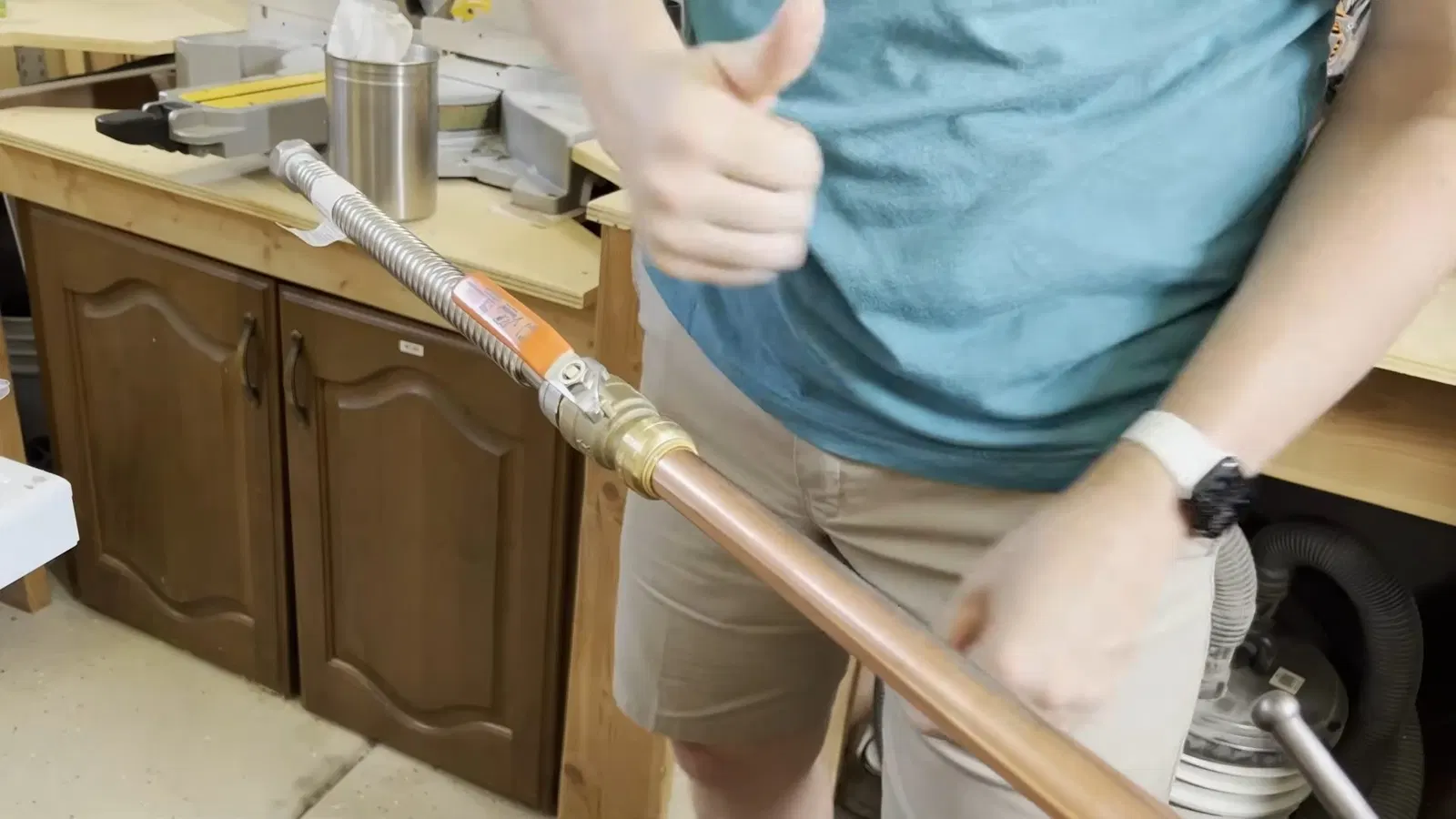
The remedy is descaling: circulating a descaling solution through the exchanger via isolation valves. It is a routine procedure that takes under an hour with the right setup, and in water this hard it needs doing considerably more often than the annual interval quoted for average conditions.
So the honest guidance is this. A household that will keep to a descaling schedule gets a genuinely good outcome from tankless here. A household that will not is better served by a tank, where neglect shortens life but the maintenance is a flush rather than a procedure. It is a question about you, not about the equipment.
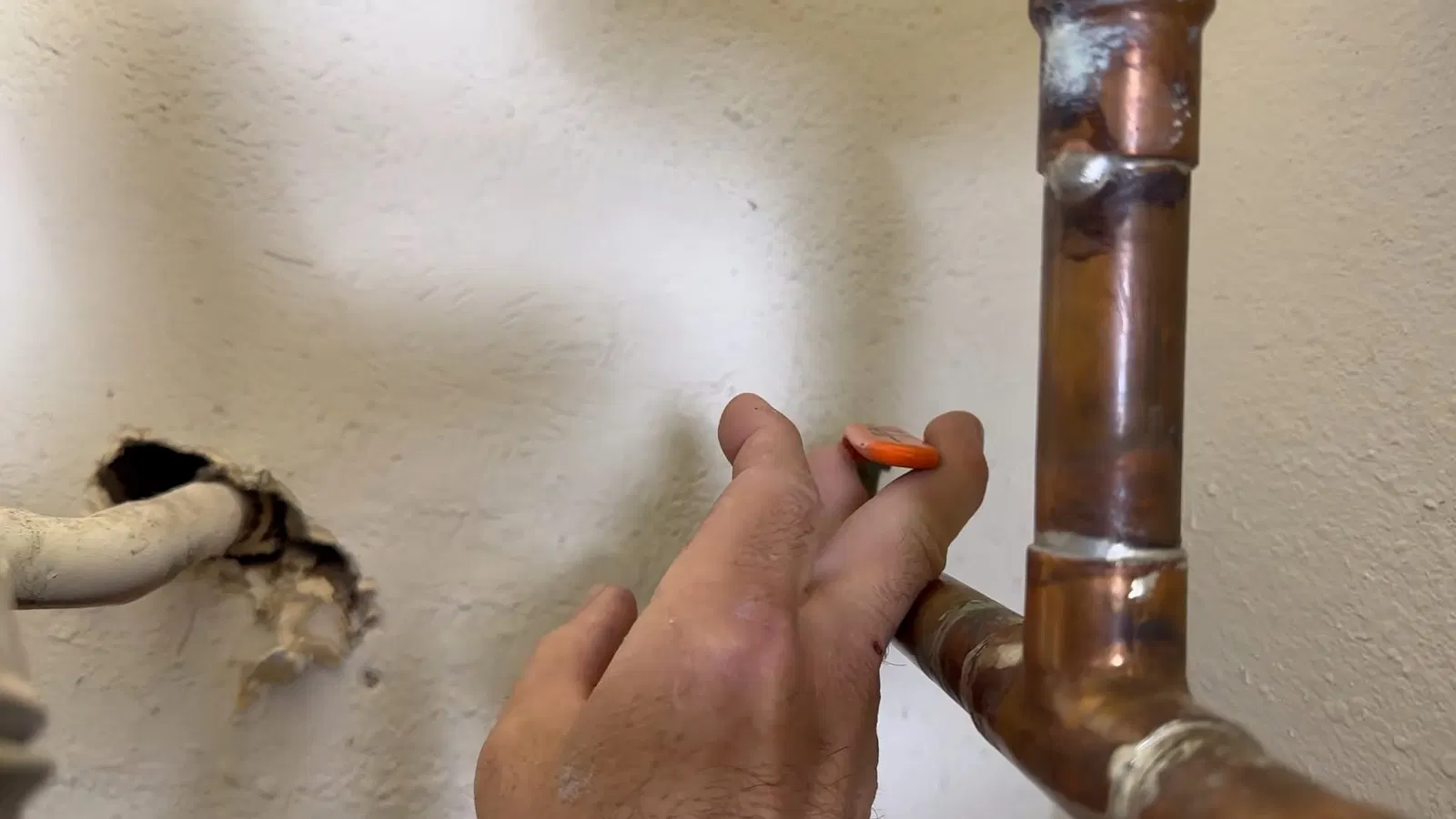
Installation requirements people underestimate
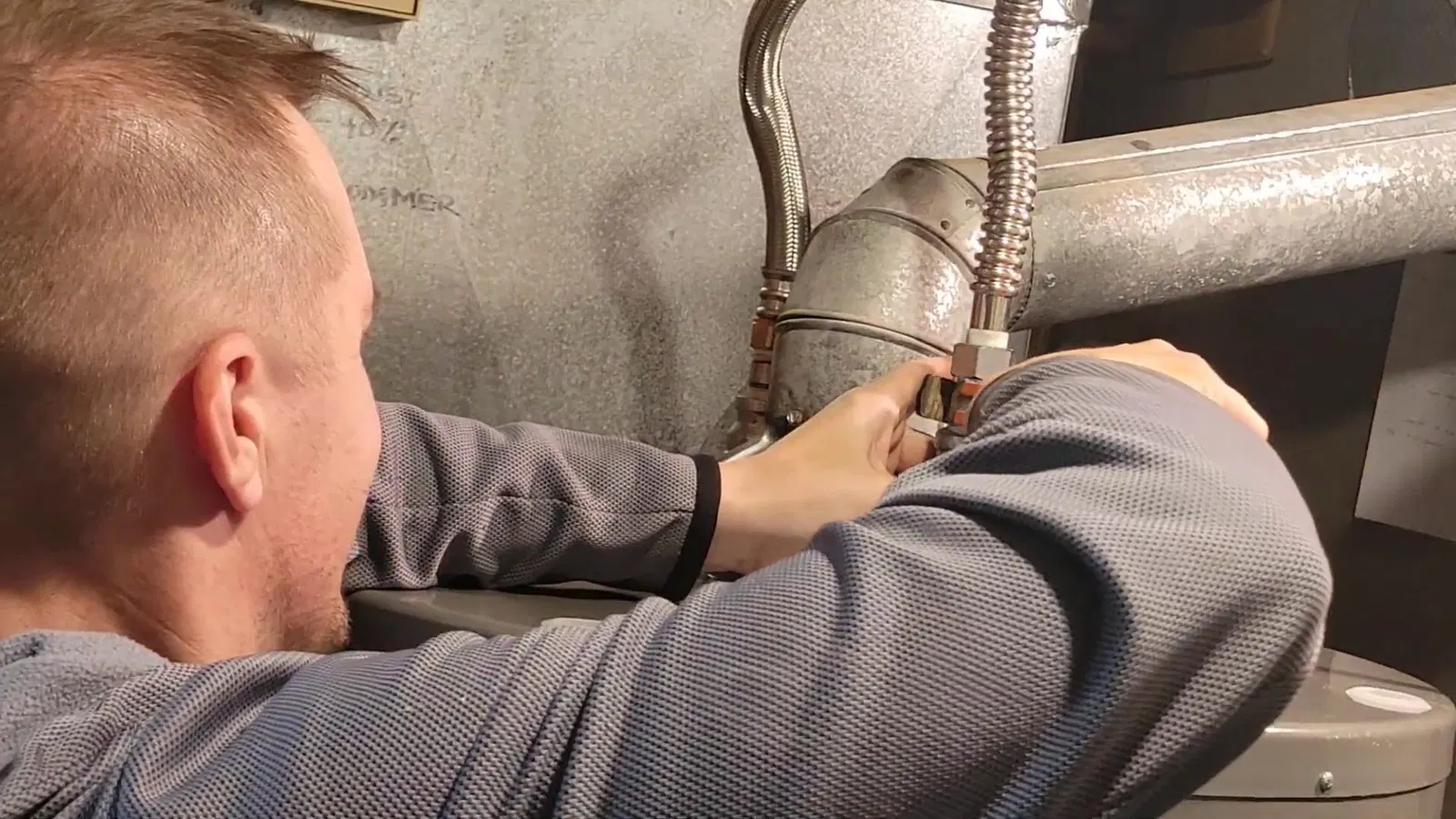
- Gas supply capacity. Tankless units draw far more gas while running than a storage heater, and an existing line is frequently undersized for one.
- Meter capacity, since the whole property's gas demand has to be accounted for, not just the new appliance.
- Venting, which is specific to the unit and to whether it is condensing or non-condensing, and is not interchangeable with the old flue.
- Condensate drainage on condensing units, routed and often neutralised.
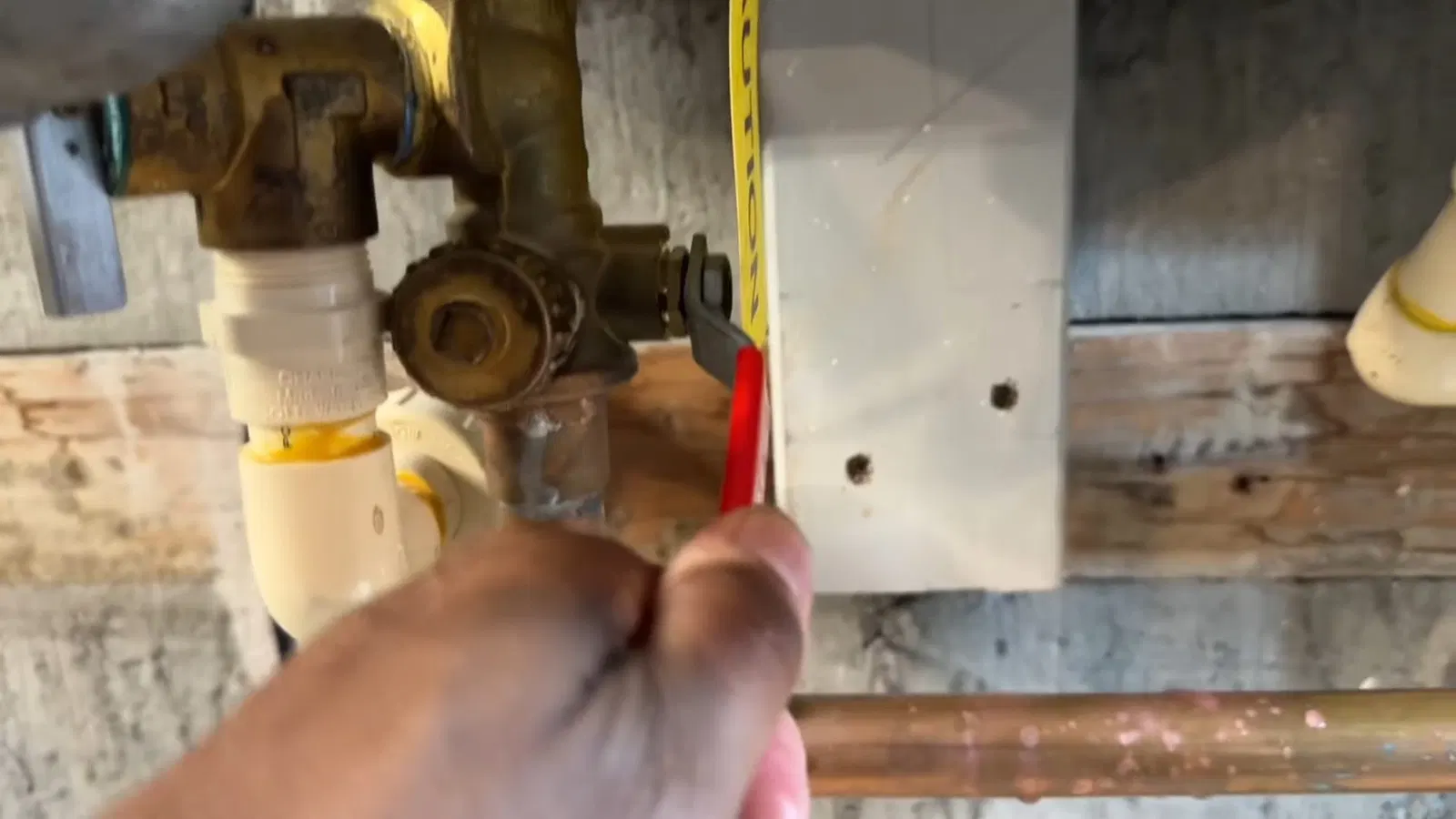
- Isolation valves fitted at installation, without which descaling becomes a much bigger job every time.
- Electrical supply, since even gas units need power for controls and ignition.
- Minimum flow rate to trigger firing, which affects low-flow fixtures and how the unit behaves at a trickle.
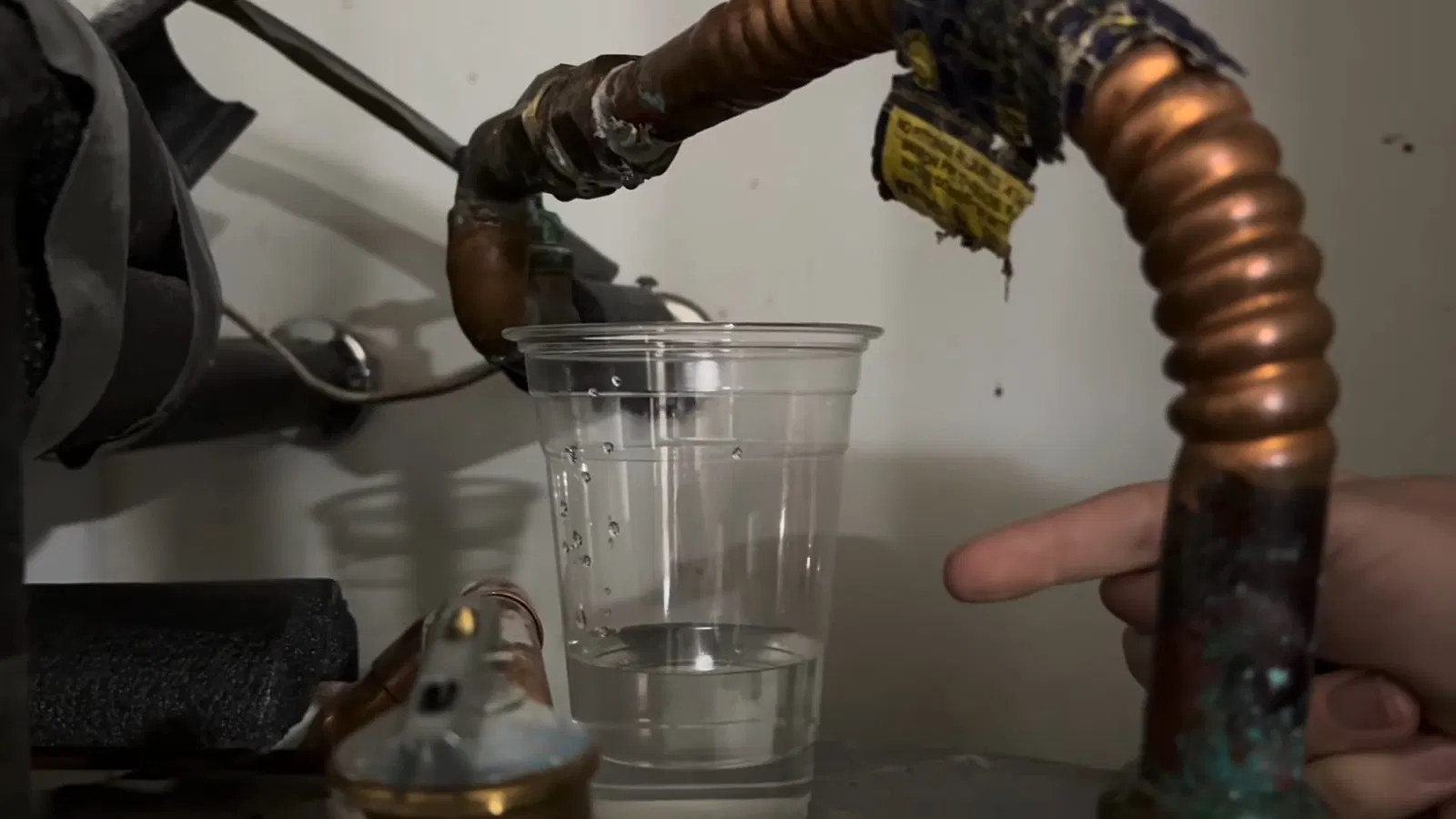
The isolation valve point is the one worth insisting on, because it costs very little at installation and a great deal later. Without them, every descale involves breaking into the pipework. With them it is a connect, circulate and disconnect.
The gas sizing point is where retrofits most often stall. Replacing a tank with tankless is not a like-for-like swap, and discovering the gas line is inadequate after the old unit is out is a poor sequence to be in.
Sizing for the household, not for the box
| Factor | Why it matters | Local note |
|---|---|---|
| Incoming water temperature | Determines how much the unit has to raise it | Groundwater and stored water run colder in winter than people expect |
| Simultaneous demand | Two showers and a dishwasher is a different load from one shower | Larger custom homes here often have more fixtures than the household uses |
| Desired output temperature | Combined with inlet temperature this fixes the required rise | Standard assumptions are usually fine |
| Flow rate needed | Rise and flow together determine the unit's required capacity | Undersizing shows up as lukewarm water during peak use |
| Water hardness | Drives descaling frequency and long-term exchanger life | The dominant local variable |
Undersizing is the most common complaint after installation, and it presents as hot water that goes lukewarm when a second fixture opens. That is not a fault; it is a unit doing exactly what its capacity allows.
The last row is the one that separates this area from most sizing guidance. Pairing a tankless unit with softened water is the single most effective thing you can do for its working life, and it stretches the descaling interval considerably.
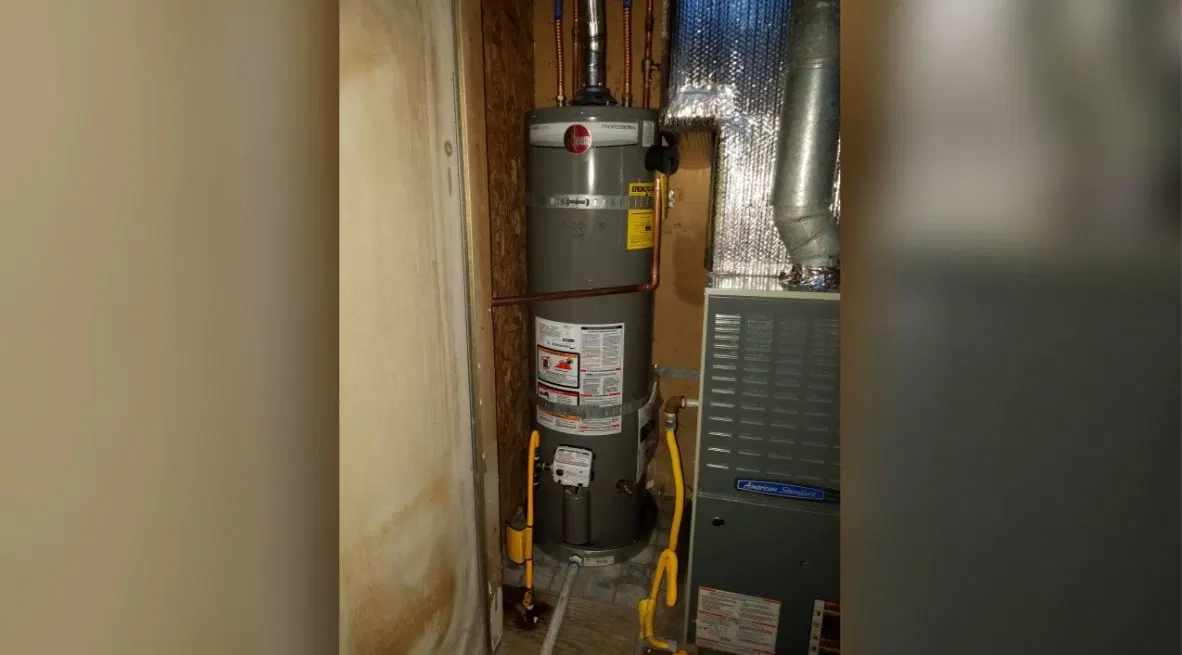
Safety steps around a tankless unit
SAFETY GUIDANCE
A tankless unit removes the flooding risk that comes with a stored tank, but it concentrates a large gas burner and a high output heat exchanger into a small wall-mounted appliance. That changes which precautions matter rather than removing them.
- Do not use a descaling solution without isolating the unit properly and following the manufacturer's procedure. Circulating the wrong thing through a heat exchanger is expensive.
- Do not obstruct the vent terminal or the combustion air intake outside. Both have clearance requirements for a reason.
- Do not repeatedly reset a unit that keeps returning the same error code. It is reporting a real condition, and running through it is how a descale becomes a heat exchanger replacement.
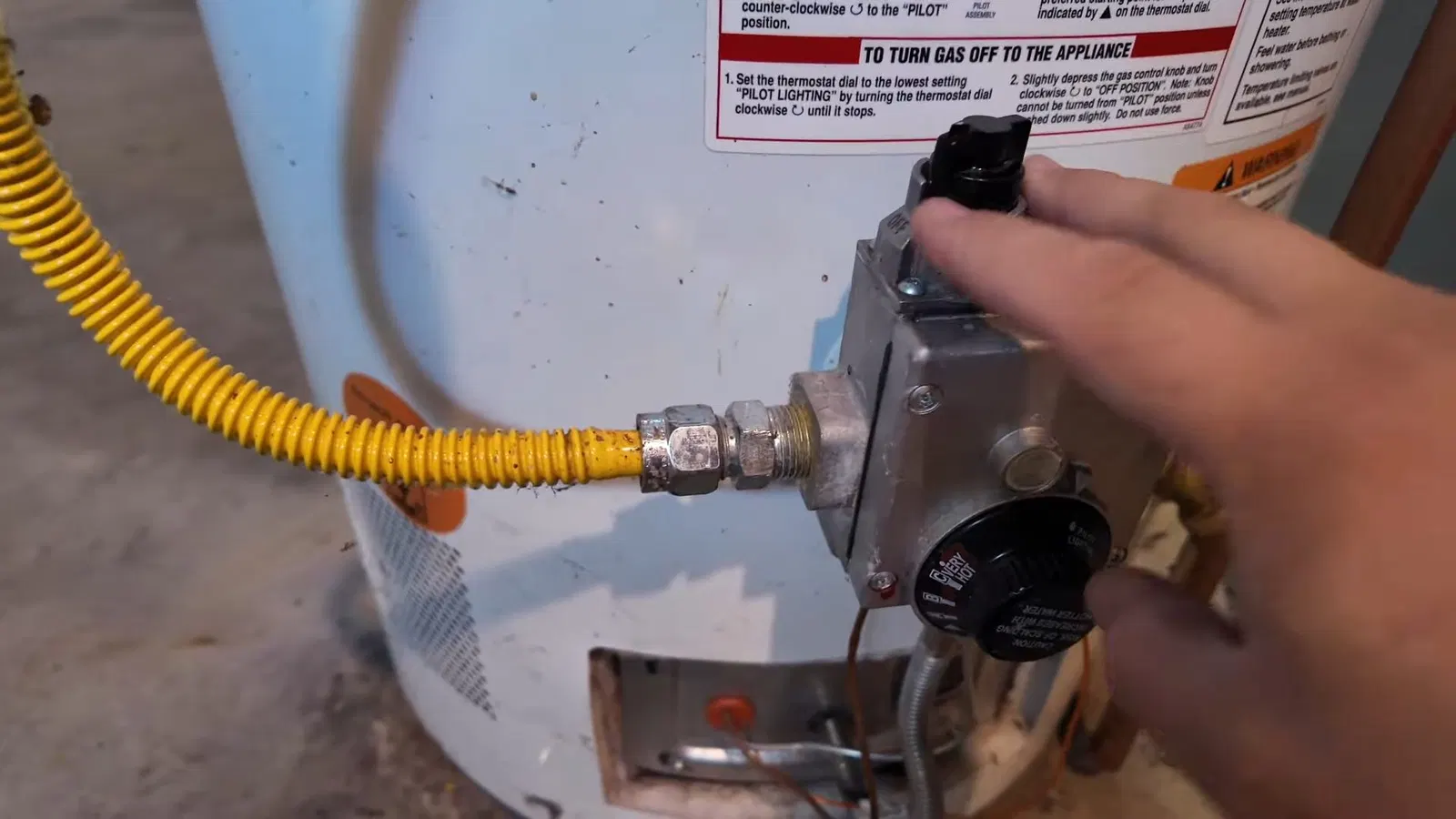
- When to call rather than reset: any gas smell, any soot or scorching around the unit or vent, condensate leaking from a condensing model, or an ignition fault that returns.
- Do not raise the output temperature above the manufacturer's recommended setting to compensate for weak performance. That masks a capacity or scaling problem and raises scald risk at the tap.
- If you smell gas, leave the building before doing anything else, and call the gas utility or 911 from outside rather than investigating.
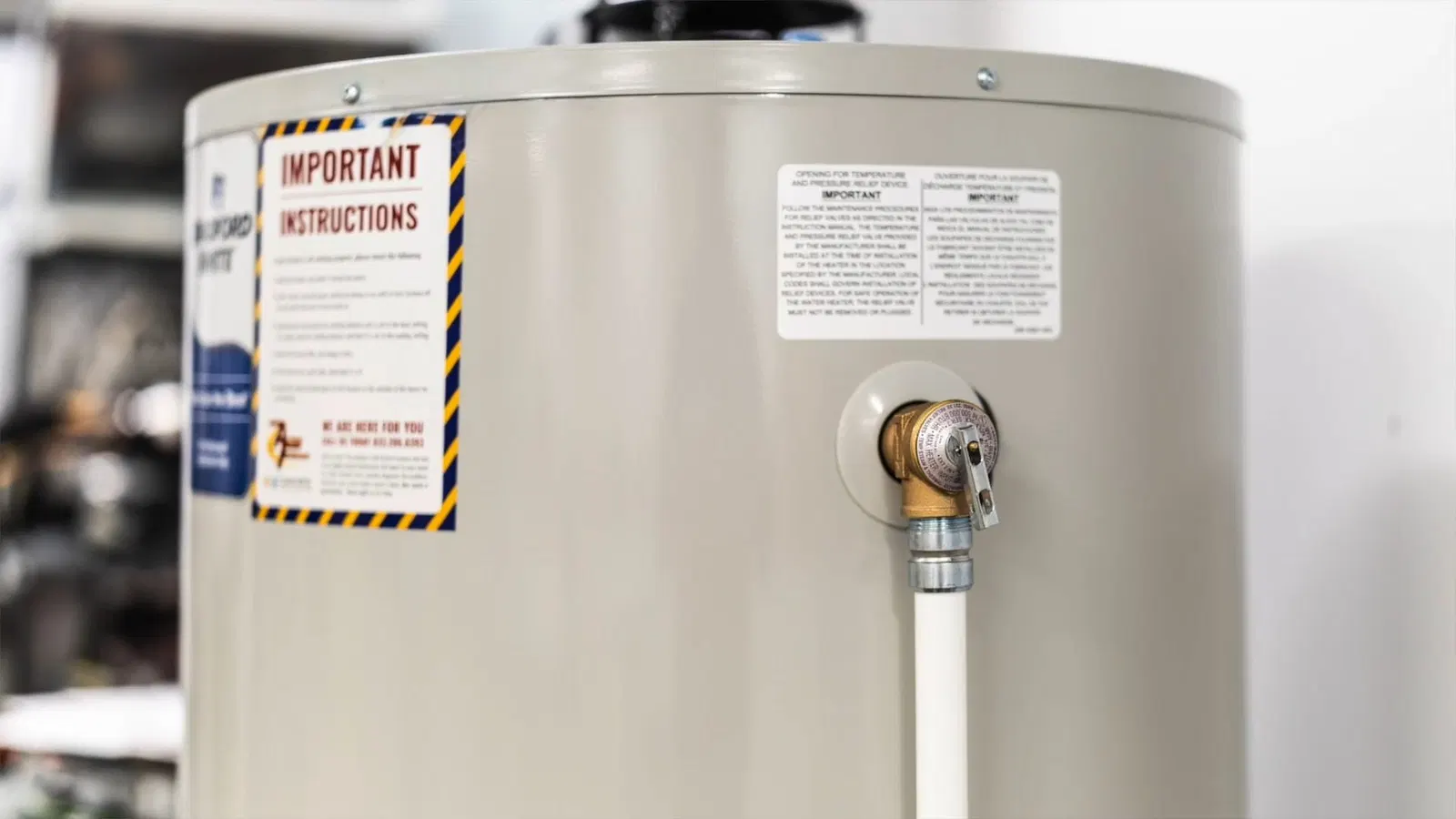
Tankless questions in a hard water region
How often does a tankless unit need descaling here?
More often than the annual figure quoted for average water. In hardness reported in the mid to high teens in grains per gallon, many installers work to a shorter interval, and softened water extends it substantially.
Rather than fixing on a number, watch the behaviour. Falling output, temperature instability or a new error code are the unit telling you it is due, and acting then protects the heat exchanger.
Is tankless cheaper to run?
Generally yes, because there is no standby loss from keeping a tank hot around the clock. The saving is real but modest, and it takes time to offset the higher purchase and installation cost.
Where the economics improve here is longevity, provided maintenance actually happens. A well-maintained tankless unit outlives a tank in this water by a wide margin. A neglected one does not.
Can I convert from a tank without other work?
Occasionally, but do not assume it. Gas line capacity, meter capacity and venting are all different requirements, and existing provision sized for a storage heater is frequently inadequate.
Those are the things worth assessing before committing to the unit, because they can change the total cost significantly and they are not optional extras.
Will I really get endless hot water?
Continuous, yes, within the unit's capacity. Endless in the sense of unlimited simultaneous demand, no.
A correctly sized unit will run a shower indefinitely. Ask it to run two showers, a dishwasher and a laundry cycle at once beyond its rated output and the temperature drops. That is sizing, not a defect.
What about a tankless unit on a well or storage tank supply?
It works, with attention to two things. Minimum flow rate matters more when pressure is supplied by a pump and pressure tank rather than a municipal main, since pressure fluctuates through the pump cycle.
Sediment matters too. Particulate from a stored supply reaching a heat exchanger is unhelpful, so filtration ahead of the unit is worth having rather than optional.
My unit is showing an error code. Is that serious?
It depends on the code, and the manual will identify it. Many are scale related and clear after descaling, particularly those relating to flow, temperature or ignition under load.
What is worth avoiding is repeatedly resetting a unit that keeps throwing the same code. It is reporting a real condition, and continuing to run through it is how a descaling job becomes a heat exchanger replacement.
Considering tankless, or already have one?
Whether you are weighing the change or your existing unit is throwing codes, describe the setup and the gas supply and you will get a straight assessment.