What a disposal actually does with the waste
The mental model most people have is that a disposal gets rid of food waste. It does not. It grinds waste into fine particles and sends it into the drain line, and where it goes next is entirely determined by what your property drains into.
On a sewer connection, that means it leaves the property and becomes the municipal system's problem, which is what those systems are built for. The disposal really does get rid of it from your point of view.
On septic, it does not leave anything. It arrives in your tank, in fine particles, and joins the solids that settle there.
That distinction is the entire question, and it is why the answer differs depending on where you live. Around Cave Creek, a large share of properties outside the town core are on septic, so this is a live question here in a way it is not in a dense suburb where everyone is connected.
How a septic system handles what arrives
Why fine particles are the concern, not volume
A septic system is a biological process rather than a container. Waste water enters the tank, solids settle to the bottom as sludge, lighter material floats as scum, and the relatively clear liquid in between flows out to the drain field where it disperses into the soil.
Bacteria in the tank break down settled material over time. That process has a rate, and it is not fast. Sludge accumulates faster than bacteria consume it, which is why tanks need pumping periodically rather than never.
Ground food waste adds directly to that sludge layer, and finely ground particles have two unhelpful properties. They increase the load the bacteria have to process, and being fine, some of them stay in suspension long enough to carry through toward the drain field rather than settling.
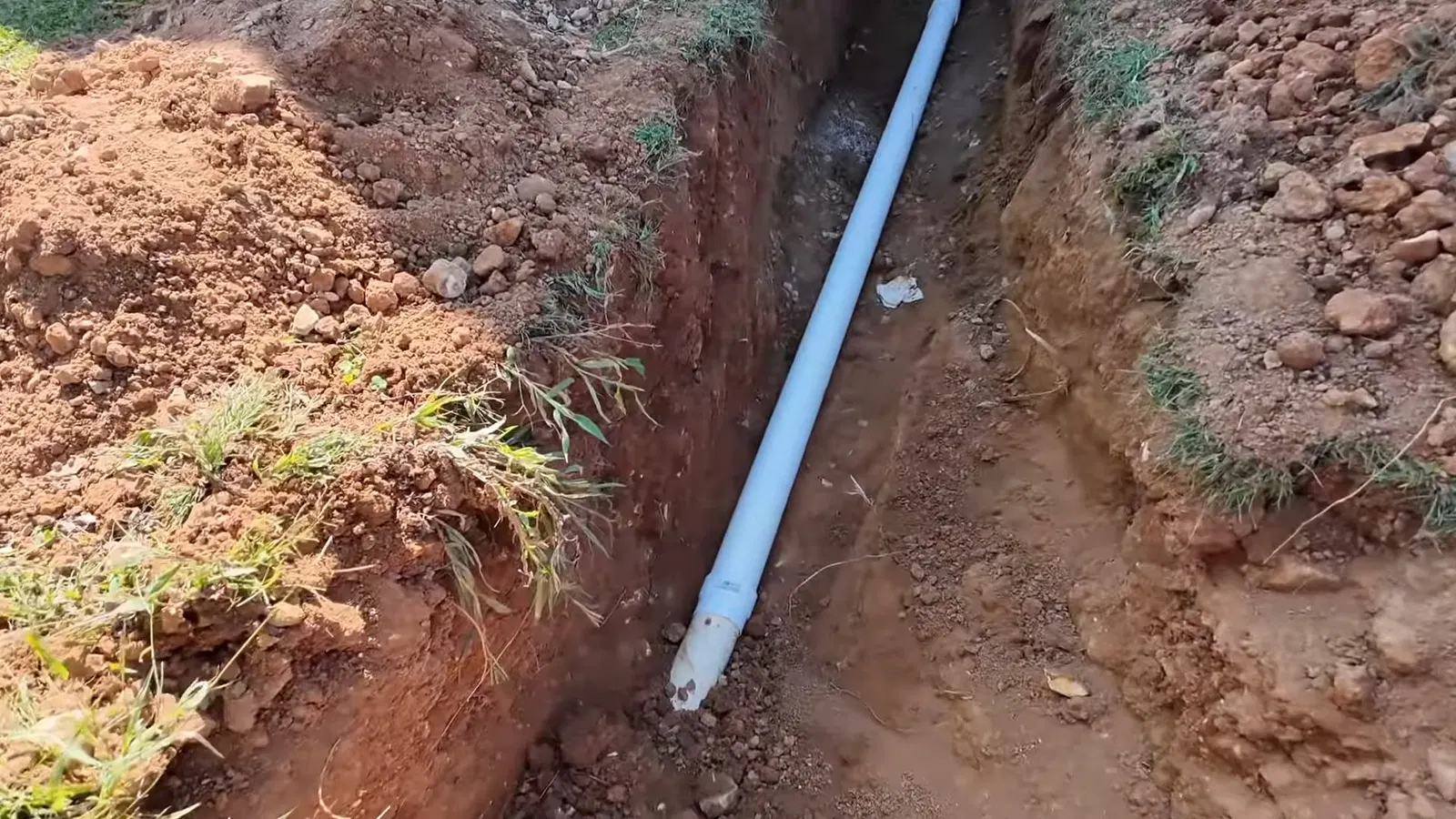
The drain field is the part nobody wants to replace. It is the expensive component, it is regulated, and on land crossed by washes there can be genuine constraints on where a replacement may go, since Maricopa County requires a septic submittal to identify every wash, drainage easement and floodway boundary on the parcel.
So the cost of a disposal on septic is not usually dramatic. It is a shorter pumping interval and a slightly higher risk to the component you least want to lose.
STUCK ON THIS ONE?
If the whole house is slow, the disposal is a symptom rather than a cause. Call (480) 806-2944 and you will get a range and an arrival window before anyone is dispatched.
Making an honest decision
| If you | Then | Reasonable choice |
|---|---|---|
| Cook heavily with lots of prep waste | Loading is significant | Compost or bin most of it; use the disposal lightly |
| Cook occasionally, small quantities | Loading is modest | A disposal is a reasonable convenience |
| Are on a sewer connection | The trade largely disappears | Use it as you like, within sensible limits |
| Have a tank you already pump often | Adding load compounds an issue | Worth finding out why the interval is short first |
| Have had drain field trouble before | The risk is not theoretical | Avoid one, or use it very sparingly |
| Are buying and it is already fitted | You inherit the loading history | Ask when the tank was last pumped |
That last row is worth acting on during a purchase. A disposal fitted to a septic property by a previous owner has been adding to the tank for however long it has been there, and the pumping history tells you whether that has been managed.
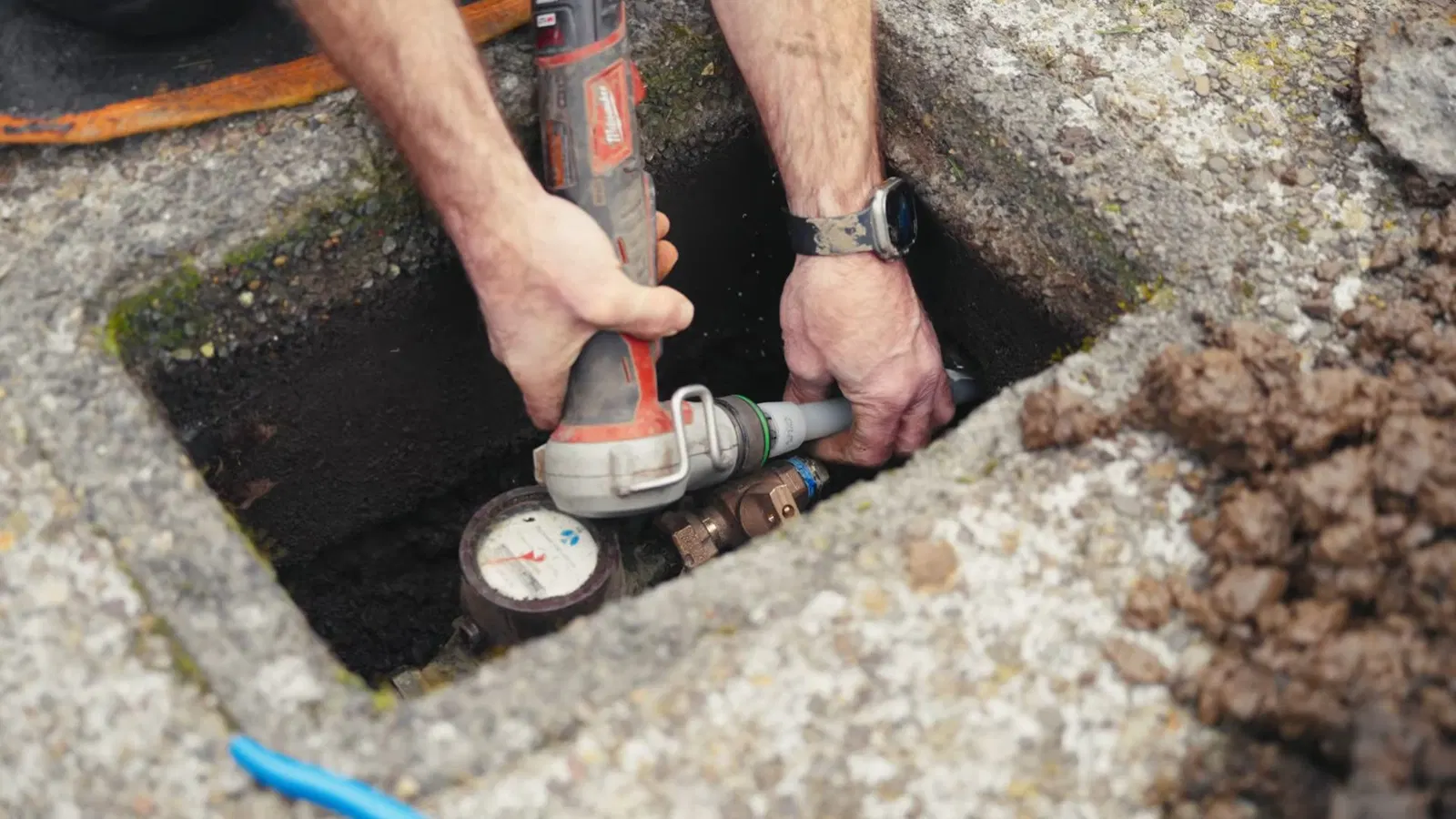
It is one of several things about a septic system that are invisible until they are not, which is why looking at the line and the system before closing is worth more on these properties than a standard home inspection covers.
If you keep one, how to use it well
- Run cold water, not hot, and keep it running through and after the grind. Cold keeps fats solid so they get ground and flushed rather than melting and coating the pipe further along.
- Keep fibrous waste out: celery, corn husks, artichoke leaves. It wraps rather than grinds.
- Keep starchy waste out: potato peel, rice, pasta. It forms a paste that sets in the trap.
- Never pour grease down it, hot or cold.
- Feed it gradually rather than filling the chamber and switching on.
- Run water for a good while afterward, so ground material clears the line rather than sitting in it.
- Bin or compost the bulk of prep waste and use the disposal for what is left on plates.
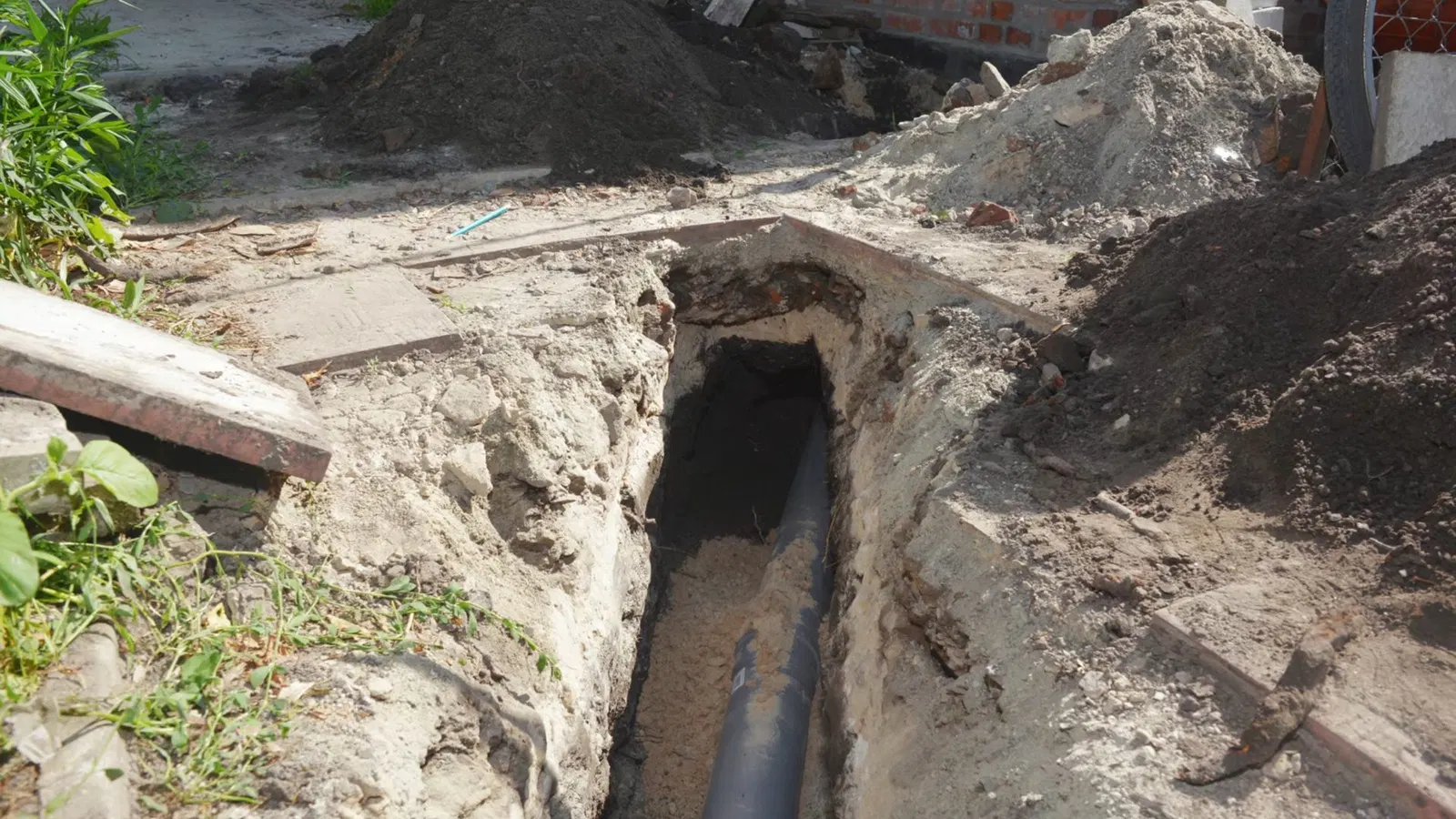
The hot water point is the one most people have backwards, and it matters beyond the septic question. Hot water melts fats, which then travel down the line as liquid and solidify against the pipe wall somewhere further along, where they catch everything that follows.
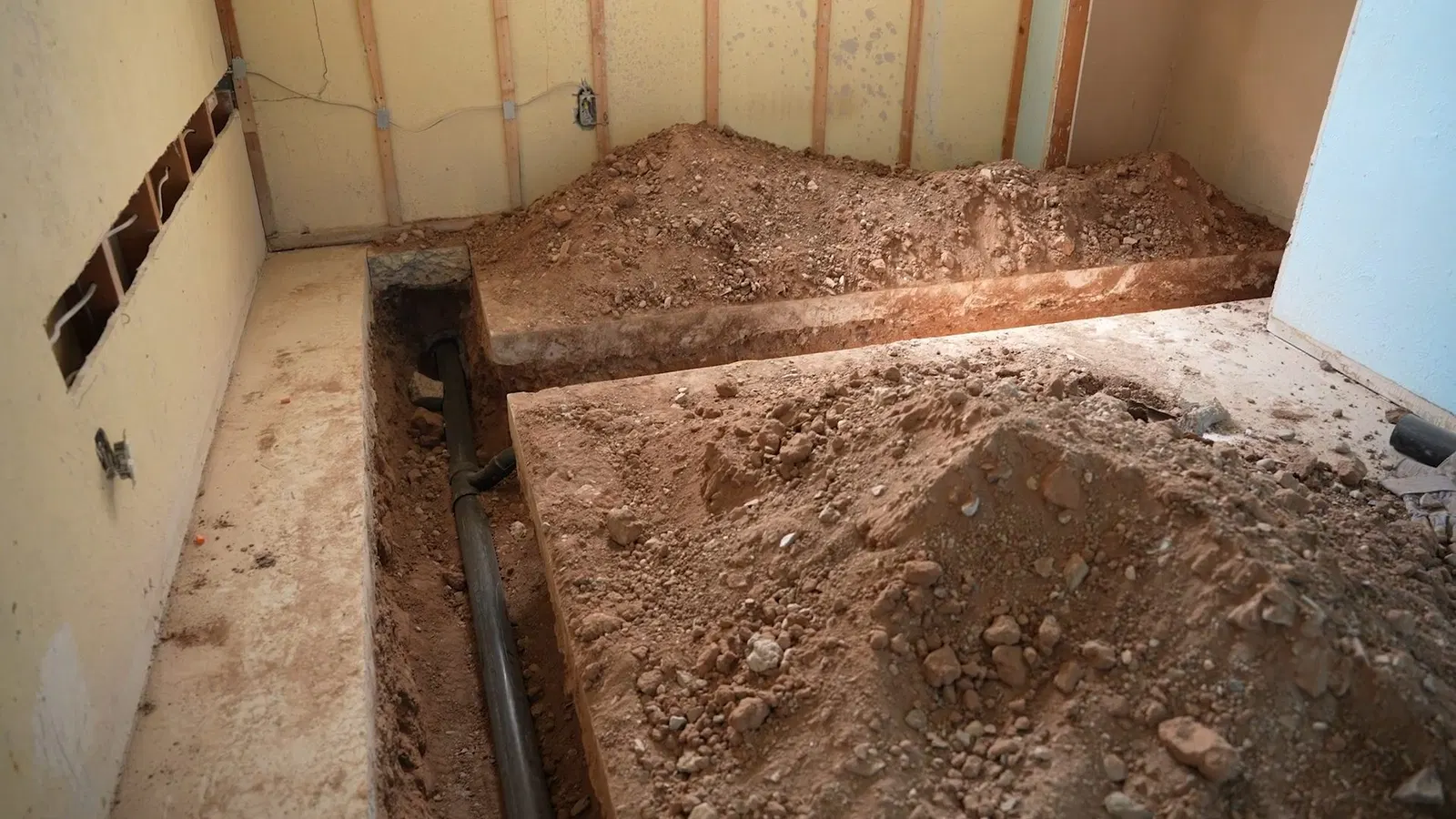
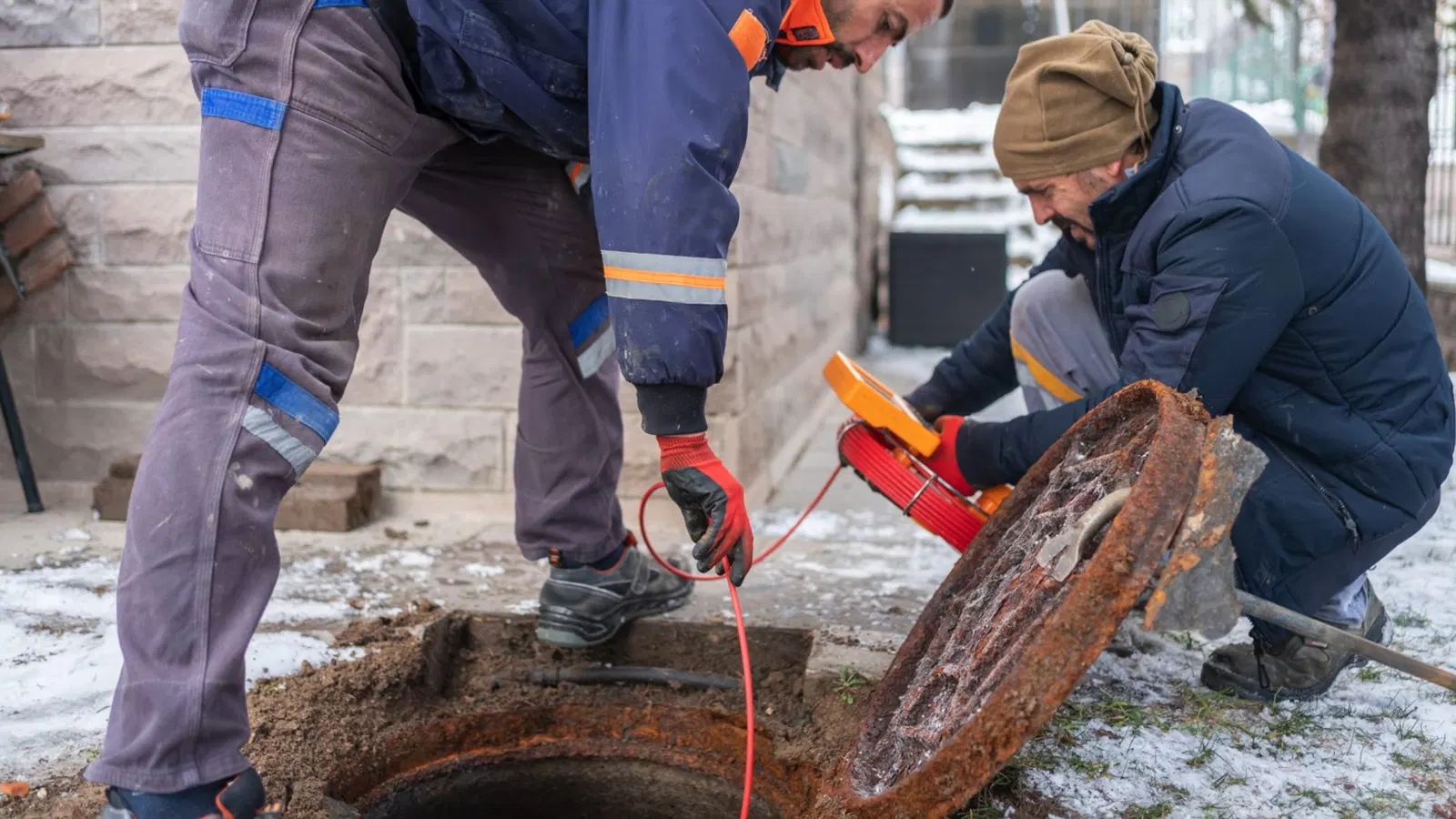
Where that has been going on for years, the accumulated coating is exactly what scouring the pipe wall addresses, and exactly what a cable machine only bores a hole through.
When the problem is not the disposal at all
Two symptoms get blamed on disposals and usually are not their fault.
The first is the sink backing up when the disposal runs. If the unit sounds normal and grinds normally but water rises in the bowl, it is reporting a restriction downstream of itself, in the trap or the branch line. Replacing the disposal will not touch it.
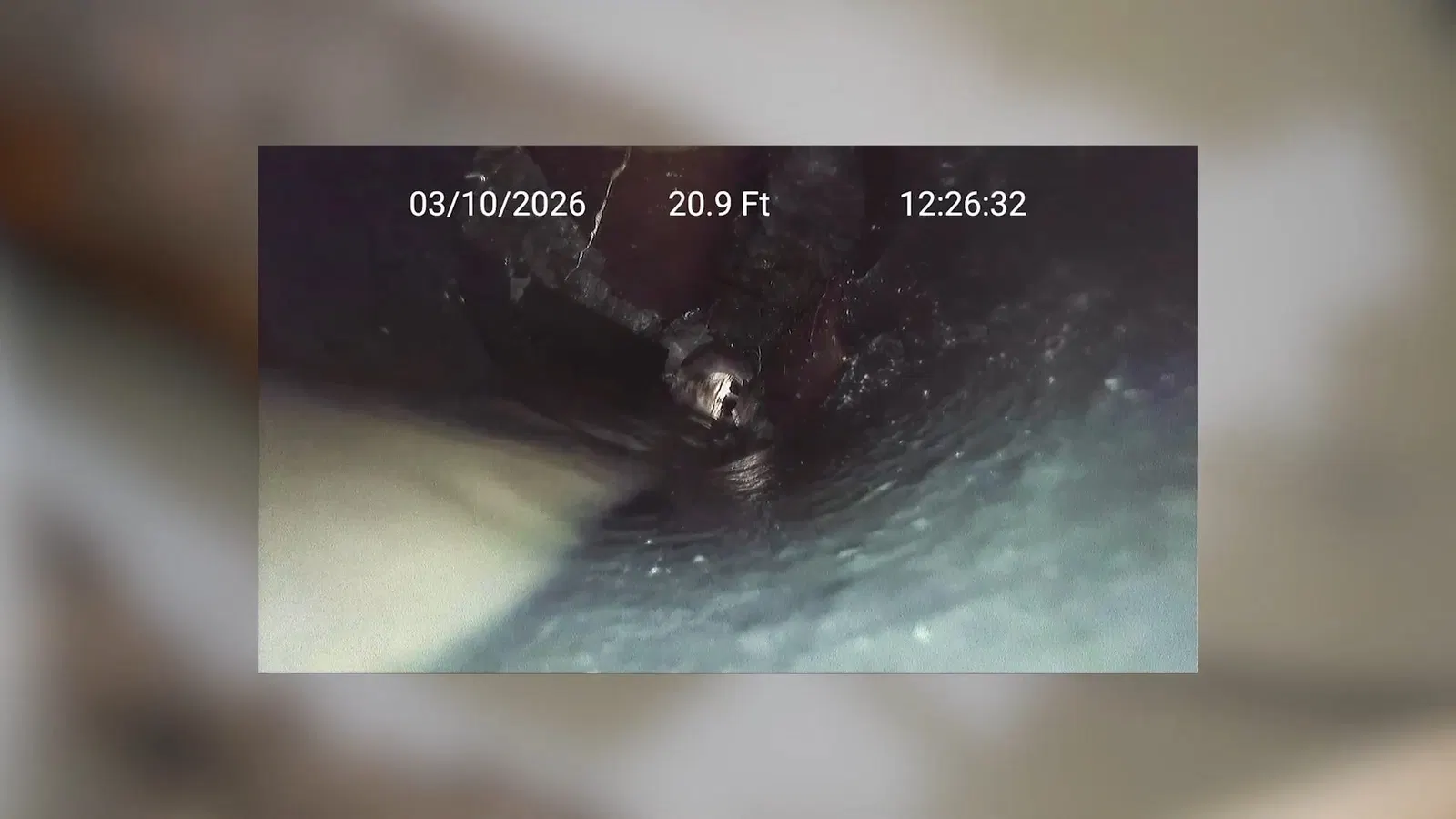
The second is every fixture in the house being slow at the same time. That means the restriction is downstream of everything, which on septic brings you back to the three-way question: the line to the tank, a tank at capacity, or a field no longer accepting water. Working out which comes before any fixture work.
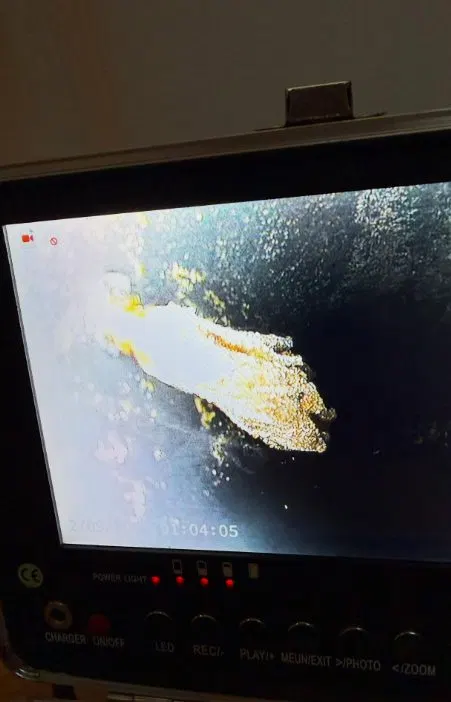
There is a genuine disposal fault worth acting on promptly, though, and it is water under the cabinet. Establish whether it is coming from above the unit, at the sink flange, which is a repair, or out of the housing itself, which means the unit is finished. Either way, cabinet bases are usually particleboard, they absorb water readily, and a slow leak destroys the cabinet long before anyone notices the disposal was the cause.
Disposal and septic questions from local households
Will a disposal ruin my septic system?
Ruin is too strong. Plenty of septic properties run disposals without incident for years, and it is not a catastrophic decision.
What it does is add to the solids load, which means shorter pumping intervals and slightly more risk of fine material carrying toward the drain field. Managed sensibly, that is a cost rather than a disaster.
How often should I pump the tank if I use one?
More often than you would without one, and the right interval depends on tank size, household size and how heavily the disposal is used.
Rather than guessing, have the tank inspected and set an interval from what is actually in it. A shortening interval over successive pumpings is itself useful information about loading.
Are septic-safe disposals genuinely different?
Some units grind finer or include additives intended to support the bacterial process. They do not change the underlying fact that the waste ends up in your tank.
Treat them as a marginal improvement rather than a solution to the trade-off. How much you put through it matters far more than which model it is.
It hums but will not turn. Can I fix that?
Often, yes. Cut power at the switch and the breaker, then use the hex wrench socket in the base of the unit to work the plate free by hand.
Never put your hand into the chamber, even with the power off at the switch. Use tongs if something needs retrieving. If it hums again after freeing it, something is still obstructing it.
It is completely silent. Is the motor dead?
Check the reset button on the underside of the unit first, then the breaker at the panel. They are separate and either can be the cause.
A surprising share of dead disposals are one of those two. If both are fine and it still does nothing, then the motor or the switch is the likely candidate.
Should I remove a disposal I inherited on a septic property?
Not automatically. If the tank has been pumped on a sensible interval and the drain field has never given trouble, using it lightly is a reasonable position.
Removing it makes more sense if the pumping interval has been shortening, if there has been drain field trouble, or if the household generates a lot of prep waste that could just as easily go in a bin.