Two different jobs sold as one
Walk into this decision and you will be shown two products at similar price points that appear to solve the same problem. They do not, and understanding the difference before you buy prevents a fairly common disappointment.
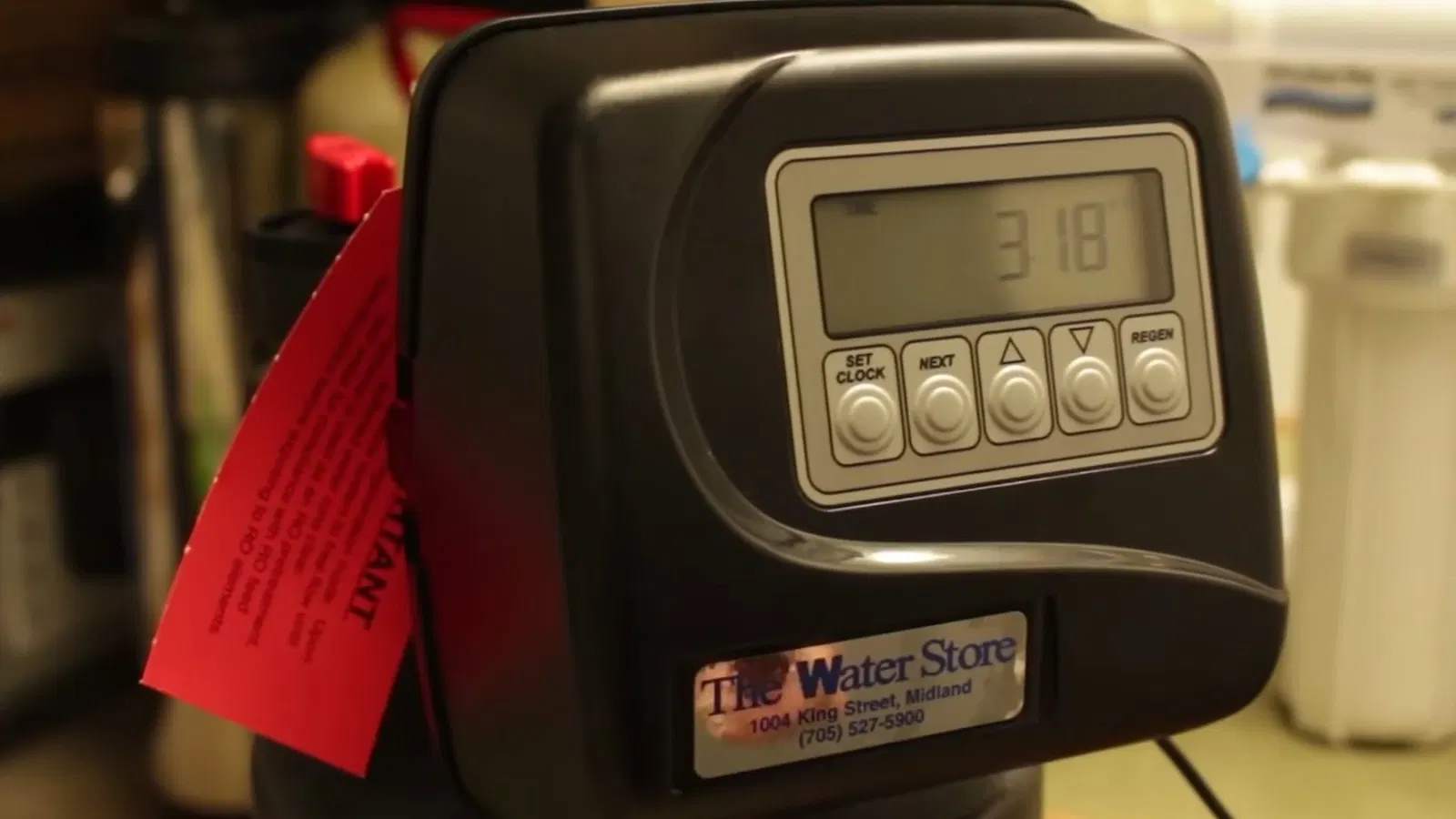
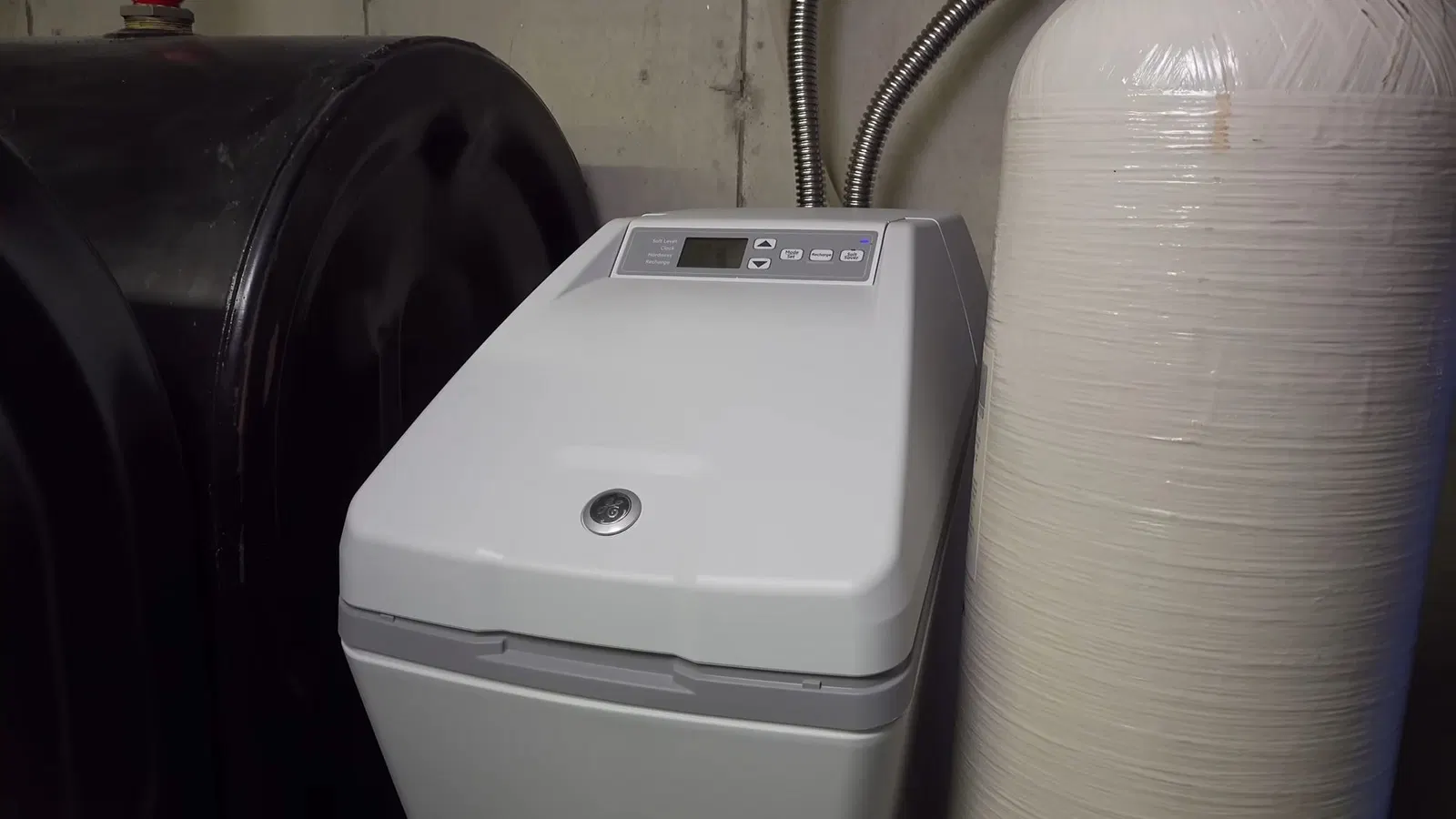
An ion exchange water softener physically removes hardness. Water passes through a bed of resin that swaps calcium and magnesium ions for sodium ones. The hardness minerals leave with the regeneration waste, and the water arriving at your fixtures genuinely contains less of them than the water that went in. That is measurable and it is why the results are unambiguous.
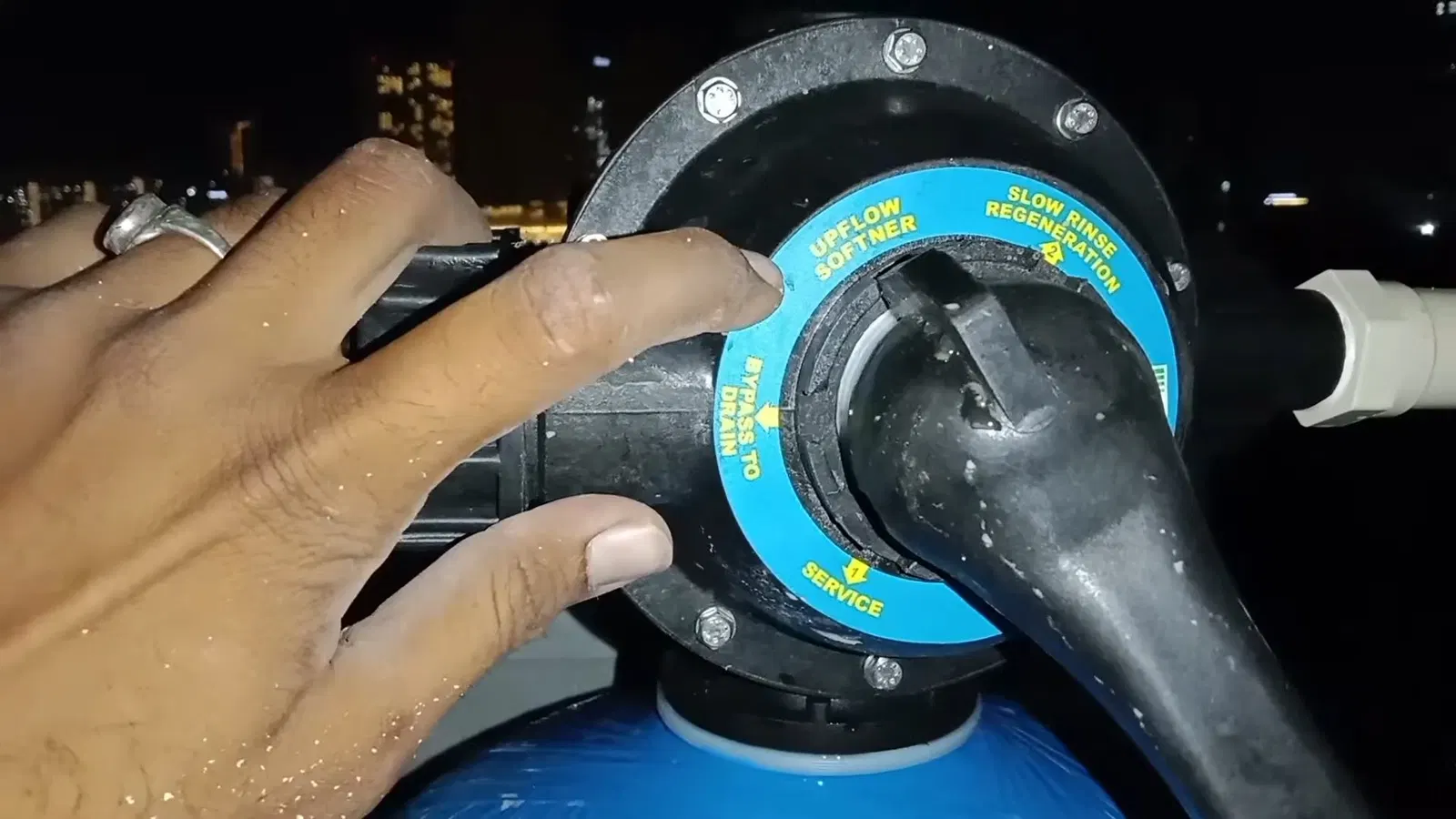
A salt free conditioner leaves the hardness in the water. What it aims to do is change the form the minerals take, encouraging them to crystallise in suspension rather than adhering as scale to surfaces. The calcium and magnesium are still there when the water reaches your tap; the intent is that they are less inclined to stick.
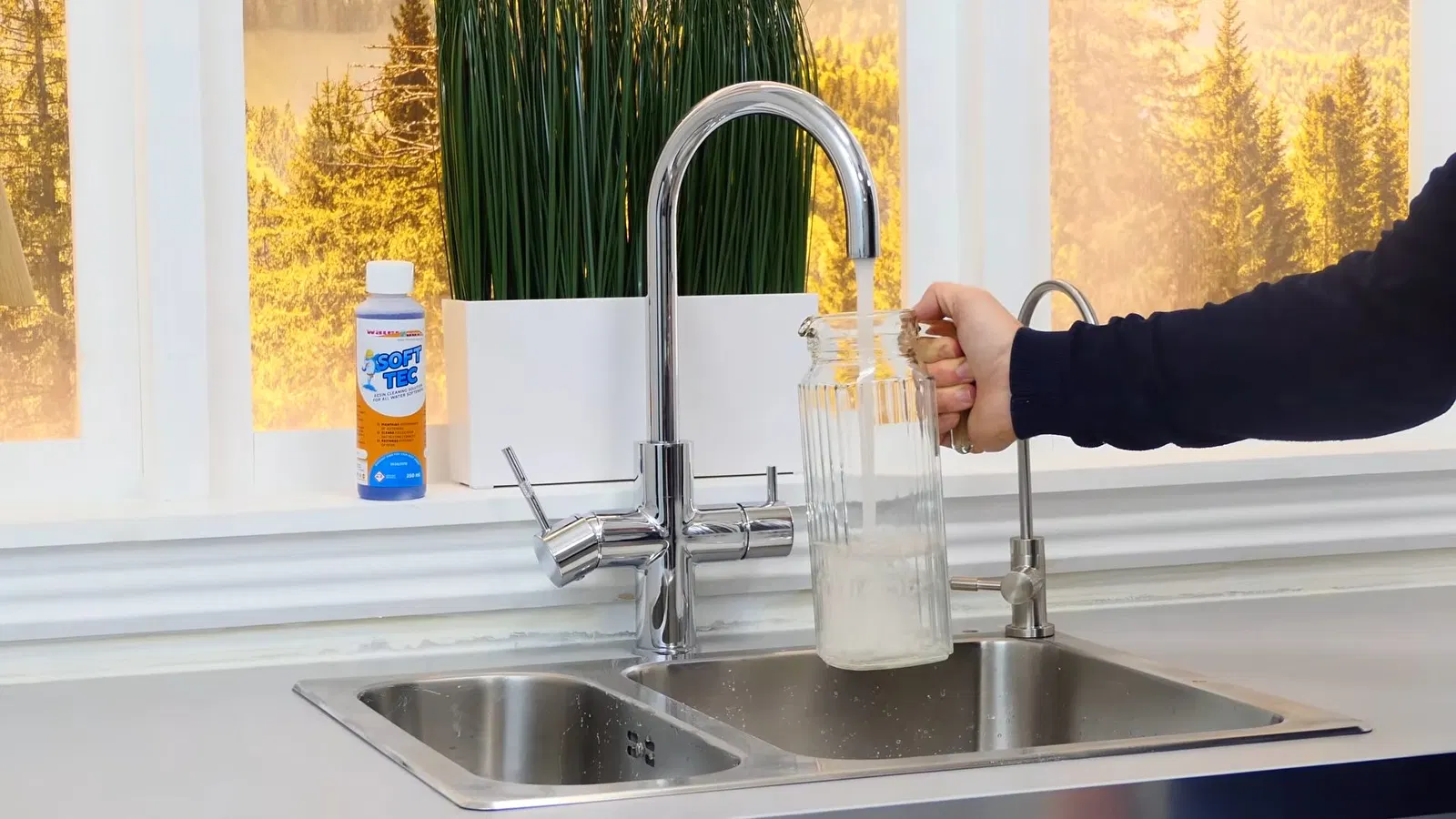
That distinction drives everything else. Anything that depends on hardness being absent will only happen with a softener. Anything that depends only on scale not adhering may happen with either.
What each one delivers
| Outcome | Softener | Salt free conditioner |
|---|---|---|
| Scale on heating elements and pipe | Prevented | Reduced, by design |
| Soap and shampoo lathering properly | Yes | No, hardness remains |
| Spot free glassware and shower screens | Yes | Little change |
| The soft feel people describe | Yes | No |
| Salt to buy and carry | Yes, regularly | None |
| Water used in regeneration | Yes, per cycle | None |
| Sodium added to the water | Yes, in proportion to hardness removed | None |
| Maintenance | Salt, occasional service | Media replacement periodically |
Where buyers most often feel misled
The rows in the middle are where expectations most often break down. Someone buys a conditioner primarily because of the salt and backwash concerns, which are legitimate reasons, and then finds their shampoo still will not lather and their glasses still come out of the dishwasher spotted.
That is not a faulty product. It is the technology doing what it says: the hardness is still in the water, so everything that reacts to hardness still reacts to it. Only the scale adhesion behaviour is targeted.
In water widely reported in the mid to high teens in grains per gallon, that gap is more noticeable than it would be at eight or ten. The higher the hardness, the more obvious the difference between removing it and altering it.
The case for the conditioner is stronger than it sounds here
Having said all that, there is a genuine local argument for salt free that does not apply everywhere, and it is worth stating fairly.
A large share of properties around Cave Creek are outside the town water service area, running from a private well, a storage cistern, or hauled deliveries. On those properties two of the softener's costs stop being minor.
The first is water. A softener regenerates by backwashing the resin bed, and that consumes gallons per cycle. On a metered municipal connection that is a modest line on a bill. On a tank someone pays to have filled by truck, it is gallons out of a finite supply, and it shortens the interval between deliveries.
The second is access. Salt has to be bought, transported and carried, and on acreage parcels well outside town that is a real recurring chore rather than a trivial one.
So the honest framing is not which technology is better. It is what you are optimising for. If protecting the water heater and the appliances is the goal and backwash water is expensive for you, a conditioner may be the right trade. If you want the lather, the glassware and the feel, only a softener delivers those, and no amount of marketing changes that.
STUCK ON THIS ONE?
The right answer depends on what you are trying to achieve, not on which is better. Call (480) 806-2944 and you will get a range and an arrival window before anyone is dispatched.
Sizing and sequencing, whichever you choose
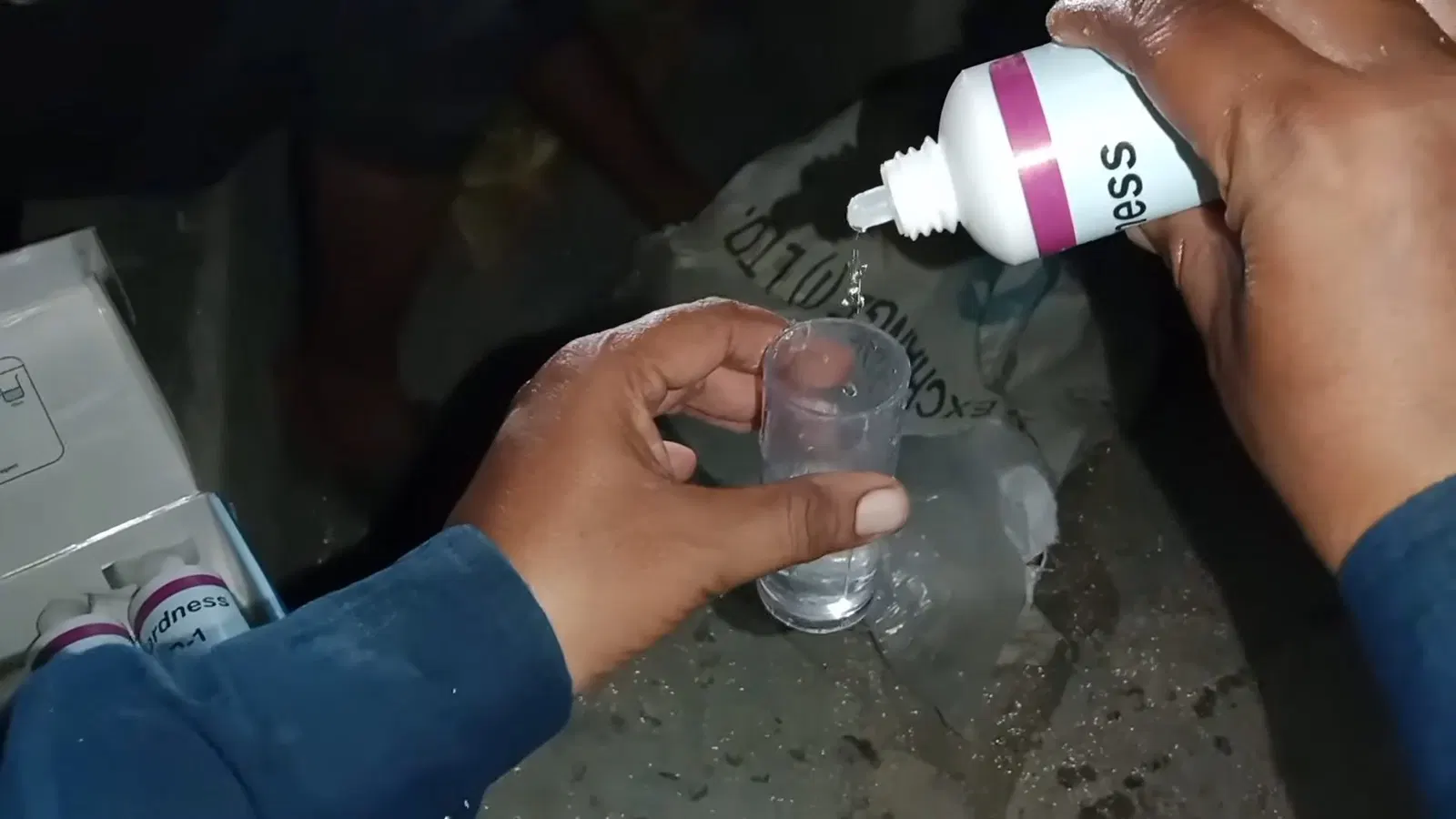
- Test the water first. On the town supply an area figure is a reasonable starting point; on a private well it is close to meaningless because chemistry varies by depth and geology.
- Size a softener by grain capacity: daily household use multiplied by hardness gives the grains removed per day, which sets regeneration frequency.
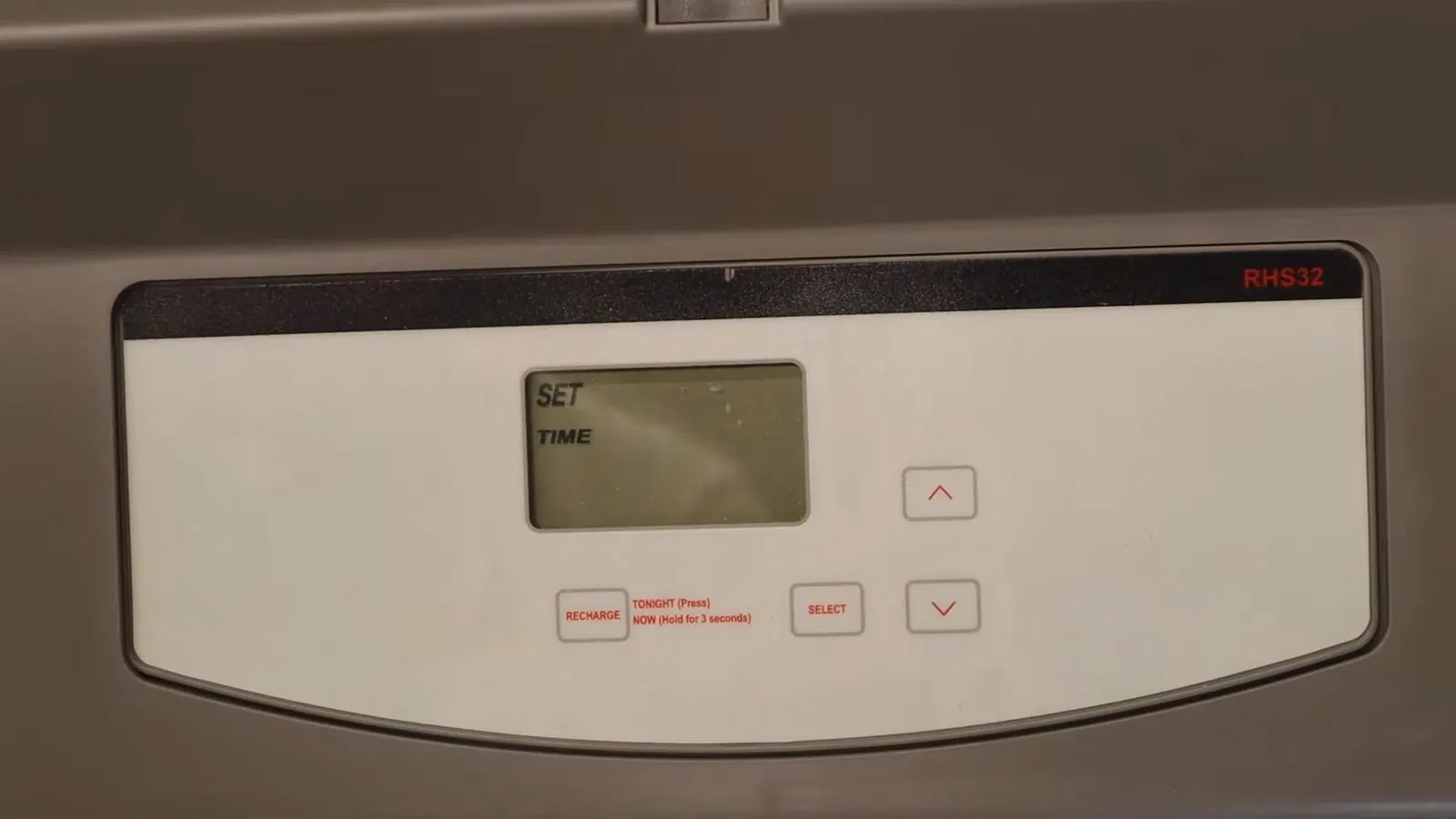
- Choose demand-initiated regeneration over a timer. A timer regenerates whether the capacity was used or not, which wastes salt and water.
- Put sediment filtration ahead of either technology on well or stored water. Particulate shortens the life of resin and conditioning media alike.
- Deal with iron before it reaches softener resin, because iron fouls it in a way that is difficult to reverse.
- Leave outdoor taps unsoftened. Irrigation gains nothing from it and it consumes capacity you paid for.
- Settle where the regeneration discharge goes before installation, particularly on a property with an onsite wastewater system.
That last point catches people out. The discharge carries brine from each cycle, and where it may be routed is not simply a convenience question on a septic property regulated by Maricopa County's Department of Environmental Services. It is much easier to plan than to relocate.

If the test comes back showing more than hardness, the equipment conversation gets wider. Filtration and softening address different problems, and buying one expecting the other's benefit is the most common expensive mix-up in domestic water treatment.
What a softener is really protecting
It is worth being clear about where the return actually comes from, because it is not where people expect.
The comfort benefits are real and immediate: lather, glassware, the feel of the water, less residue on fixtures. Those are what you notice, and they are what sells the equipment.
The financial return is somewhere else entirely. Every gallon of untreated water heated deposits mineral on the hottest surface available, permanently. That layer insulates the steel above a gas burner from the water that used to cool it, so the metal runs hotter than designed for years and eventually fails, usually by leaking. That is the failure mode that floods a garage, and it is the single largest avoidable cost hard water imposes.

The same mechanism works on a smaller scale everywhere else. Dishwashers and washing machines heat water. Faucet cartridges, valve seats and shower cartridges have precision sealing surfaces that mineral grit grinds into. In this water, fixtures need attention years earlier than they would elsewhere.
So the honest way to evaluate the spend is not against the water bill. It is against the replacement cycle of everything downstream of the meter.
Choosing between the two technologies
Is softened water bad for you?
Softened water contains sodium in proportion to the hardness removed, which in water this hard is not negligible. Whether that matters for you is a question for your doctor, particularly on a restricted sodium diet.
The usual arrangement is to soften the whole house and keep one unsoftened tap for drinking and cooking, or fit reverse osmosis at the kitchen. Potassium chloride is an alternative to sodium chloride at higher running cost.
How much salt will I go through?
More than in most of the country, because consumption tracks hardness and household use, and hardness here is high. A correctly sized demand-initiated unit uses considerably less than an oversized timer-based one.
The useful habit is checking the tank monthly and watching for bridging, where a crust forms above a void so the tank looks full while the unit is effectively out of salt.
My water stopped feeling soft. Is the unit broken?
Check the salt first. A salt bridge is common, easy to miss because the tank looks full, and cleared by breaking the crust with a broom handle.
If salt is fine, the likely causes are a control valve or timer that has stopped initiating regeneration, a blocked brine line or injector, or resin fouled by iron or sediment.
Do conditioners work at all, or is it marketing?
The technology has a real mechanism and there is a legitimate use case, particularly where salt and backwash water are genuine constraints.
What is fair to criticise is marketing that implies equivalence to softening. In water in the teens, the absence of lather and spot-free rinsing is noticeable, and a buyer who was expecting those will feel misled even though the product performed as designed.
Should the softener go in before a new water heater?
Before, if both are planned. A new tank fitted onto untreated very hard water starts accumulating scale on day one, which is the process that ended the last one.
Doing it in that order means the replacement spends none of its life in those conditions. If practicalities force the other sequence it is still worth doing, just with less of the benefit captured.
Can I fit one on a property with a storage tank?
Yes, and it is common. The two things to check are pressure headroom, since treatment adds resistance, and backwash water use against your delivery interval.
Sediment pre-filtration matters more on stored water too, because particulate reaching the resin shortens its life noticeably.