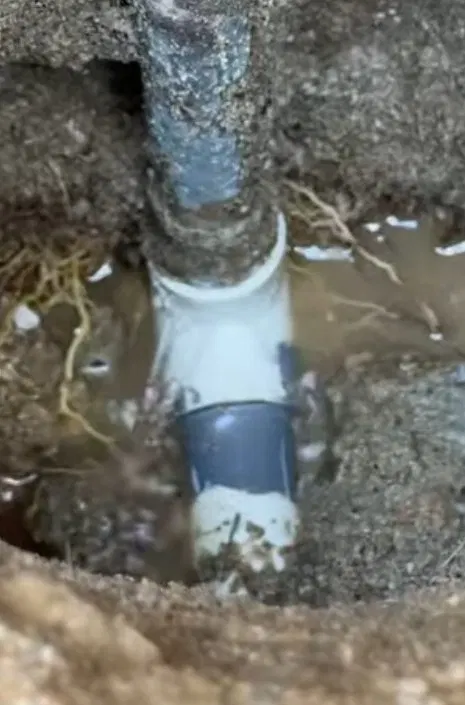
Why heat arrives before water does
A slab leak on a hot water line is one of the few plumbing faults that announces itself through a sense other than sight, and the physics behind it are simple.
Concrete conducts heat reasonably well and resists water reasonably well. So when a hot supply line under a slab starts losing water, the heat from that water conducts up through the concrete and reaches the floor surface long before enough moisture has accumulated and travelled to appear at the surface.
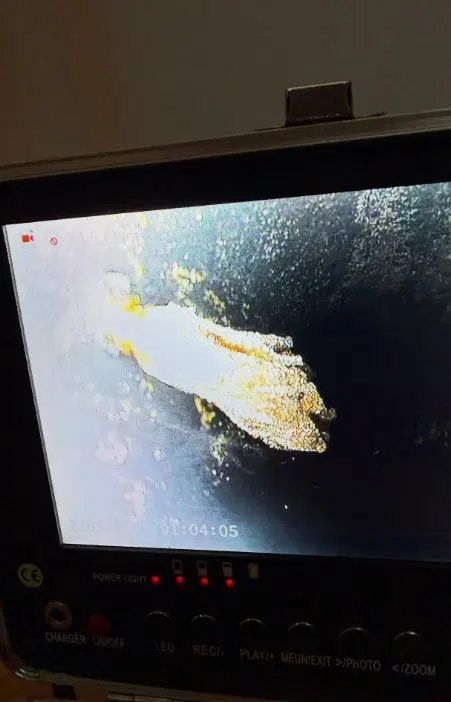
That gives you a genuinely early warning, which is unusual. Most slab leaks on cold lines are found much later, by the water bill or by moisture eventually working its way up through flooring. A hot line leak can be caught while the affected area is still small.
The catch is that a warm floor is easy to explain away. People assume sun through a window, or a heating duct running underneath, or simply do not register it. The distinguishing feature is persistence: a slab leak's warm patch is there regardless of time of day, weather or season, and it does not move.
What else produces a warm patch
Before assuming the worst, there are legitimate alternatives worth ruling out, and all of them are cheap to check.
- Sun through a window at a particular hour. Check the same spot at night; if it is cool, that was the answer.
- A heating duct running under or through the slab, which some construction uses.
- Underfloor heating installed at some point in the building's history, which is worth confirming rather than assuming absent.
- A hot water line running where you would not expect it, near but not leaking. Warm along a line rather than in a patch points this way.
- An appliance or equipment nearby putting heat into the floor.
Rule those out and you are left with the likely explanation. What turns a suggestion into something worth acting on is combination. A warm patch on its own is suggestive. A warm patch plus a running sound in a quiet house is fairly specific. A warm patch plus a running sound plus usage that has climbed for no reason is close to conclusive.
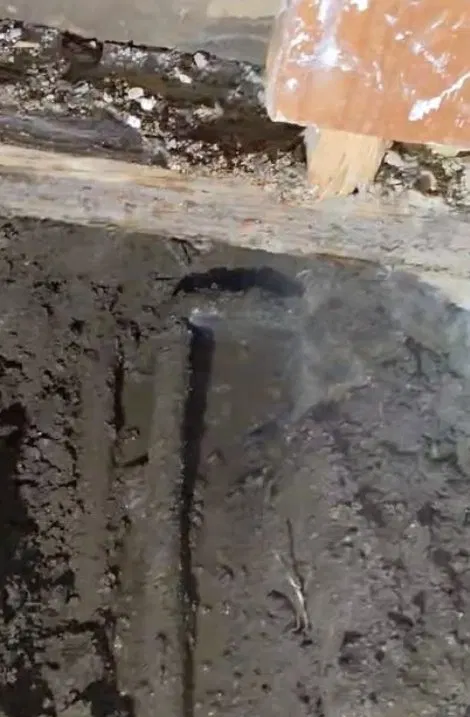
STUCK ON THIS ONE?
Two of these signs together is worth a call rather than a wait. Call (480) 806-2944 and you will get a range and an arrival window before anyone is dispatched.
The other two signals, and how to test them
The running sound is worth listening for properly rather than casually. Wait until the house is quiet, close every fixture, and listen near the warm area and near walls. Water escaping under pressure through a slab produces a faint continuous hiss or rush. It is subtle, and it is much easier to hear at night.
The usage signal depends on what supplies your property, and this is where advice written for a suburban house stops applying to a good part of this area. On the Town of Cave Creek municipal system there is a meter, and it is the most objective test available: close everything, note the reading, wait an hour, read it again. Movement means a live loss.
Plenty of parcels here are outside the town water service area and run on a private well, sometimes with a storage cistern, sometimes on hauled deliveries. There is no meter, and that removes the cheapest detection method these households have.
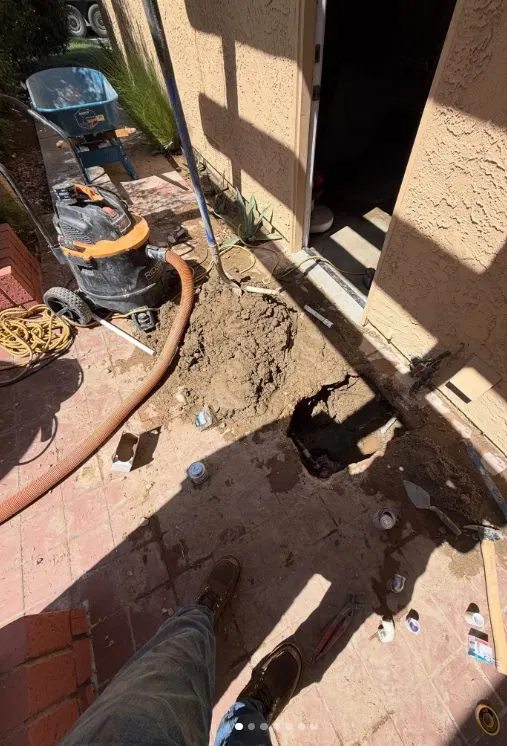
What replaces it is the pump. A submersible or booster pump that starts when nothing in the house is drawing water is telling you exactly what a creeping meter would. A tank level that drops overnight with the house side isolated says the same thing and gives you a rate as well. If the numbers are not adding up on a stored supply, that gap is worth chasing before ordering more water.
Why these happen here more than the age of the houses suggests
What very hard water does to copper
The mechanism behind most local slab leaks on copper is scale, and it is worth understanding because it explains something otherwise puzzling: why a pipe that behaved perfectly for twenty years suddenly produces a pinhole.
Water in this area is very hard, widely reported in the mid to high teens in grains per gallon. That is well past the ten grain mark where hardness starts costing money. Every gallon that passes through deposits mineral on the inside of the pipe, and crucially it does not deposit evenly.
Corrosion concentrates at the boundaries between scaled and bare metal. So instead of a pipe thinning uniformly toward a predictable end of life, you get localised weak points developing across the whole system at roughly the same rate, because the whole system was installed at once and has carried the same water ever since.
That is why one pinhole is so often followed by another eighteen months later a few feet away, and why the interval between the second and third is usually shorter than between the first and second. It is also the argument for changing what the water deposits once the immediate repair is done, rather than only fixing the symptom.
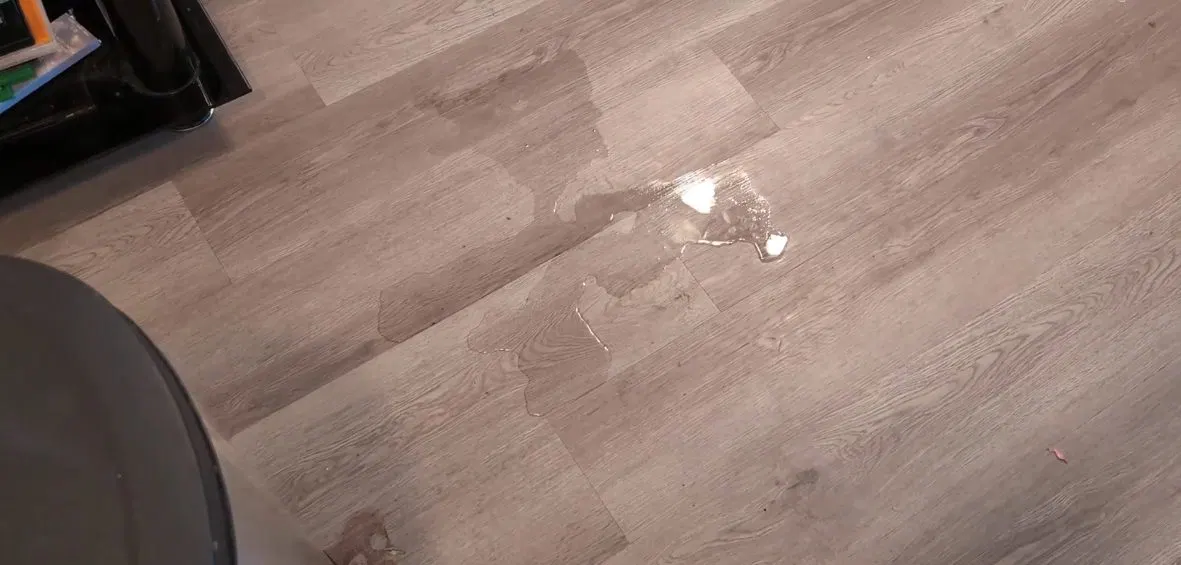
Finding it without opening the floor
The critical thing about slab leak work is that locating and repairing are separate jobs, and the whole cost of the exercise turns on doing the first one properly.
Locating is non-destructive. Isolating the water heater separates hot from cold and halves the search area immediately, which is a step that gets skipped surprisingly often. Thermal imaging finds hot line leaks by their temperature signature at the surface. Acoustic listening with ground microphones follows the sound of escaping water through the slab. Line tracing establishes where the pipe actually runs, which matters enormously on custom-built homes where the routing was never recorded. Pressure decay testing on isolated sections narrows the fault to a length rather than a room.
None of that touches the concrete. The slab gets opened once, at a known point, for the repair. The difference between that and exploratory digging is typically the difference between one tidy opening and a floor cut in three places before anyone found it, and on tile or polished concrete the restoration cost is often larger than the plumbing.
The repair decision, and why it is not obvious
| Approach | Right when | Trade-off |
|---|---|---|
| Spot repair under the slab | Isolated defect, pipe otherwise sound, reachable location | Cheapest today; assumes the rest of the run is fine |
| Reroute the affected run | Pipe suspect along its length, or the leak is awkward to reach | Avoids the floor entirely; the run is above ground afterward |
| Repipe the property | Repeat failures on multiple runs of the same age and condition | Largest cost, done once, and routed away from under the slab |
The instinct is to take the cheapest row, and sometimes that is correct. The honest comparison is not repair against reroute on the day. It is one repair plus a realistic chance of the next one, including flooring, against doing it once.
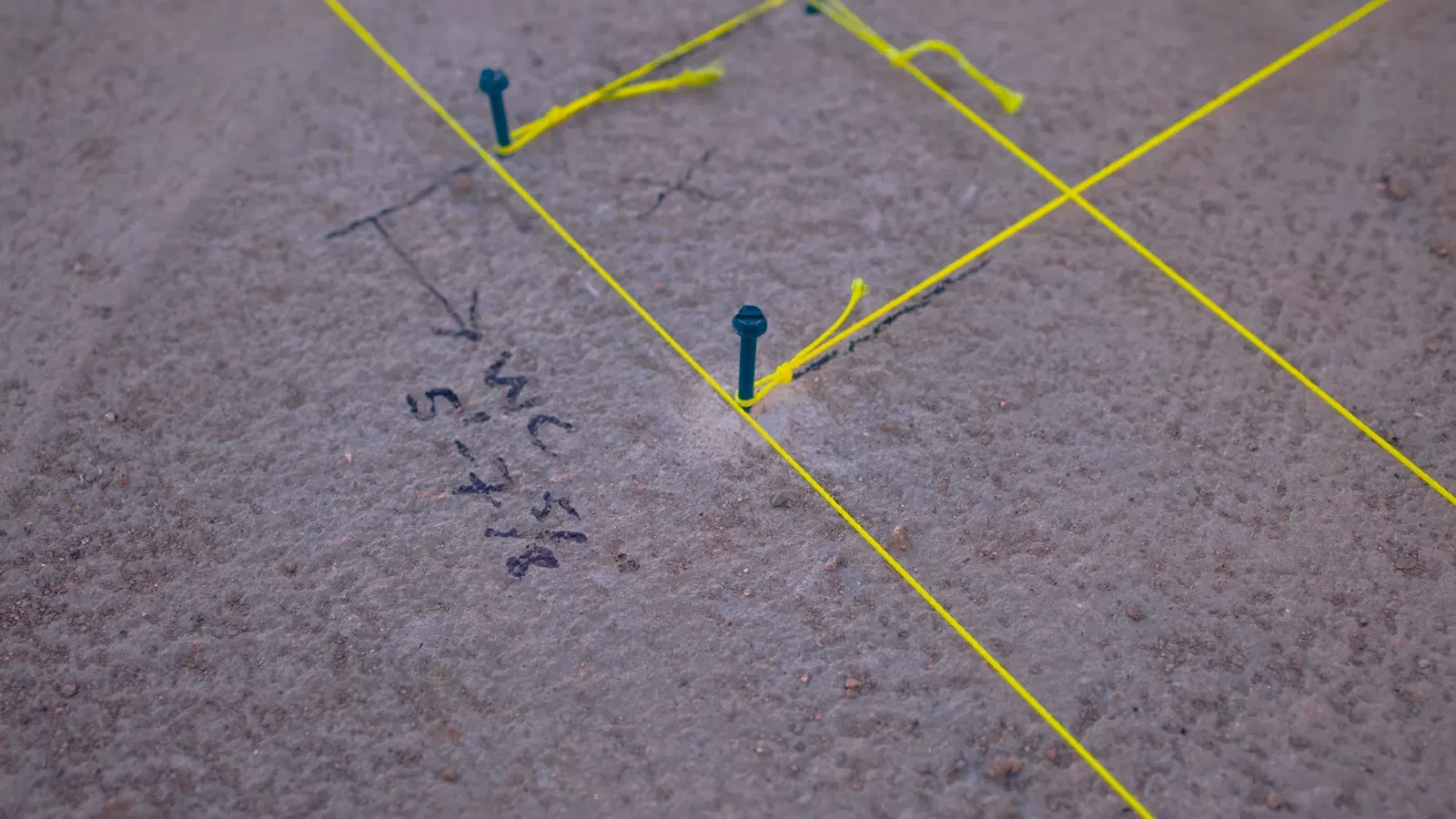
One further constraint matters in newer construction. A post-tension slab contains tensioned steel cables, and those must be located before any concrete is cut, because hitting one is a structural problem in an entirely different category from the leak. That is not a reason to avoid slab work. It is a reason locating happens properly first, and it sometimes tips the decision toward rerouting.
Where the pattern of failures has moved past isolated, the repiping conversation is worth having with real numbers rather than deferring it until the third leak makes the decision for you.
Why leaving it is worse than it looks
A slab leak does not behave like a visible leak, and that changes the calculus on waiting.
Water escaping under a slab saturates the fill beneath it, and saturated fill supports concrete differently from dry fill. The real risk is not the water you are paying for; it is movement in the slab over time, and that is a structural problem rather than a plumbing one.
The cost profile also rises steeply with delay. Early, the job is locating and a repair. Later, flooring is involved. Later still, the slab itself can be. Given that the first symptom often arrives weeks after the leak started, the useful instinct is to treat an early warning as early rather than as optional.
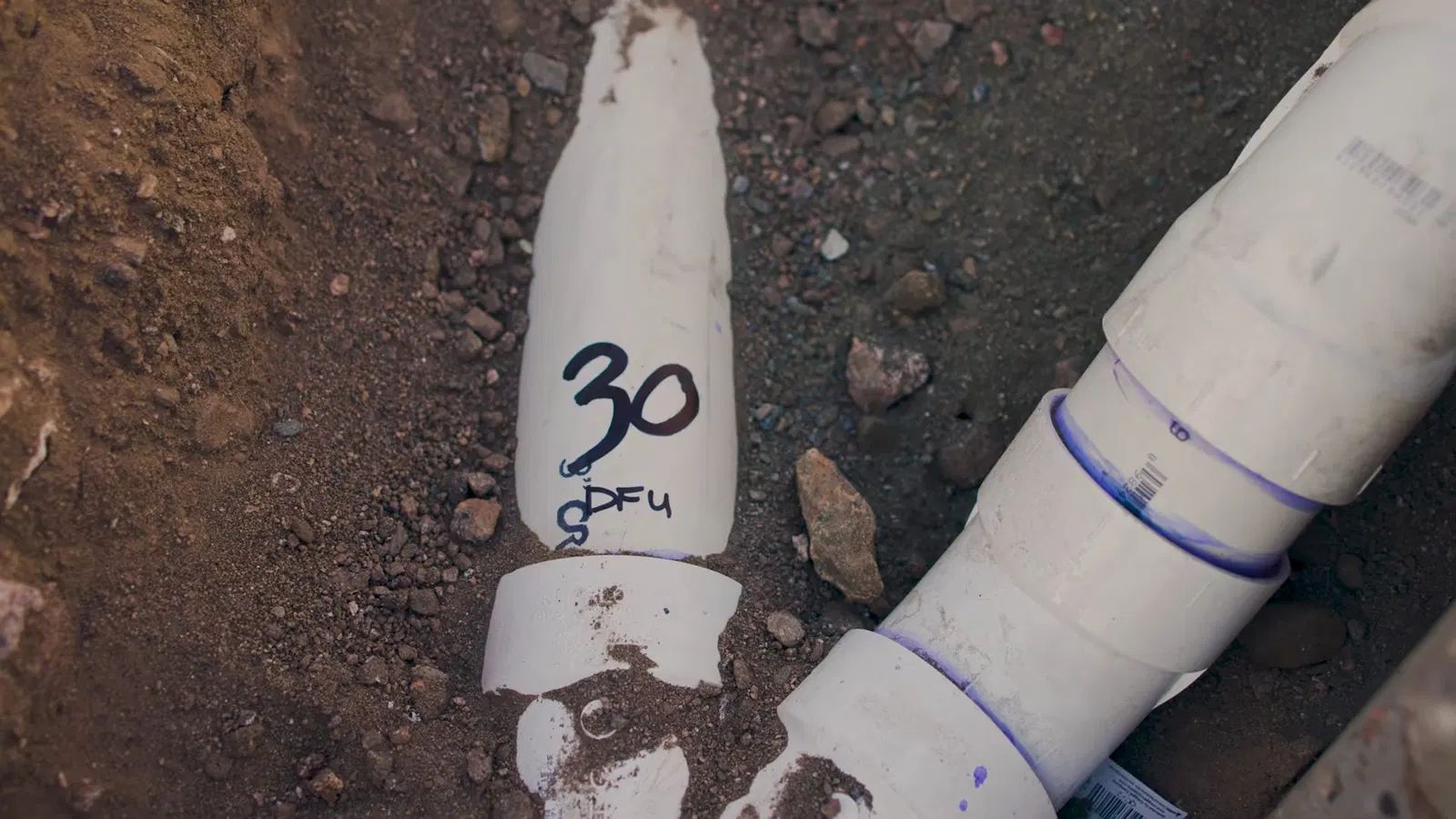
The one thing that genuinely does not need to happen at 2am is the call itself. A slab leak has usually been running for some time before anyone noticed, so a scheduled visit is both cheaper and no worse an outcome. The exception is if you can hear water moving fast, the floor is actively wet, or the main shutoff will not hold, at which point it is doing measurable damage per hour.
Questions about slab leaks in local homes
Can I just turn the water off until someone comes?
Yes, and it is a reasonable thing to do overnight if the loss seems significant. Closing the main stops the leak while you wait.
If closing the main does not stop it, or the valve will not hold, that is worth saying on the phone because it changes the urgency of the call.
Will my homeowners insurance cover a slab leak?
Policies commonly treat the resulting damage differently from the pipe repair itself, and sudden failures differently from gradual ones. It is genuinely your insurer's call.
Document when you first noticed the symptom and photograph any affected flooring before work starts. Those records are what a claim gets assessed against.
How do I know if I have a post-tension slab?
Newer construction is more likely to use one, and there is often a stamped warning at the edge of the slab or in the garage. Original build documentation will say.
Tell whoever you call at the start either way. It changes how the work is planned rather than whether it can be done, and it sometimes makes rerouting the better option.
Is a cold water slab leak less serious?
Not less serious, just harder to find early, because there is no heat signature conducting up through the floor to warn you.
Cold line leaks are typically caught by usage, by sound, or by moisture eventually appearing. That means they have usually been running longer by the time anyone notices, which is why acoustic and pressure methods matter more for them.
How much of my floor gets opened?
A located repair opens a limited area, typically a section rather than a room. It is not nothing, and matching tile or polished concrete afterward is a real part of the cost.
That is precisely why rerouting deserves consideration rather than dismissal. Running a new line overhead avoids the floor entirely, and where the buried run is already suspect it is often both less disruptive and more durable.
Could the warm spot be something other than plumbing entirely?
It can. Ducting, an appliance, or heating installed at some point in the building's history all produce warm floors.
The test is persistence and company. A patch that is warm at every hour, in a spot with no heating installed, alongside a running sound or unexplained usage, is the signature worth acting on. Any one of those alone is worth checking rather than panicking about.