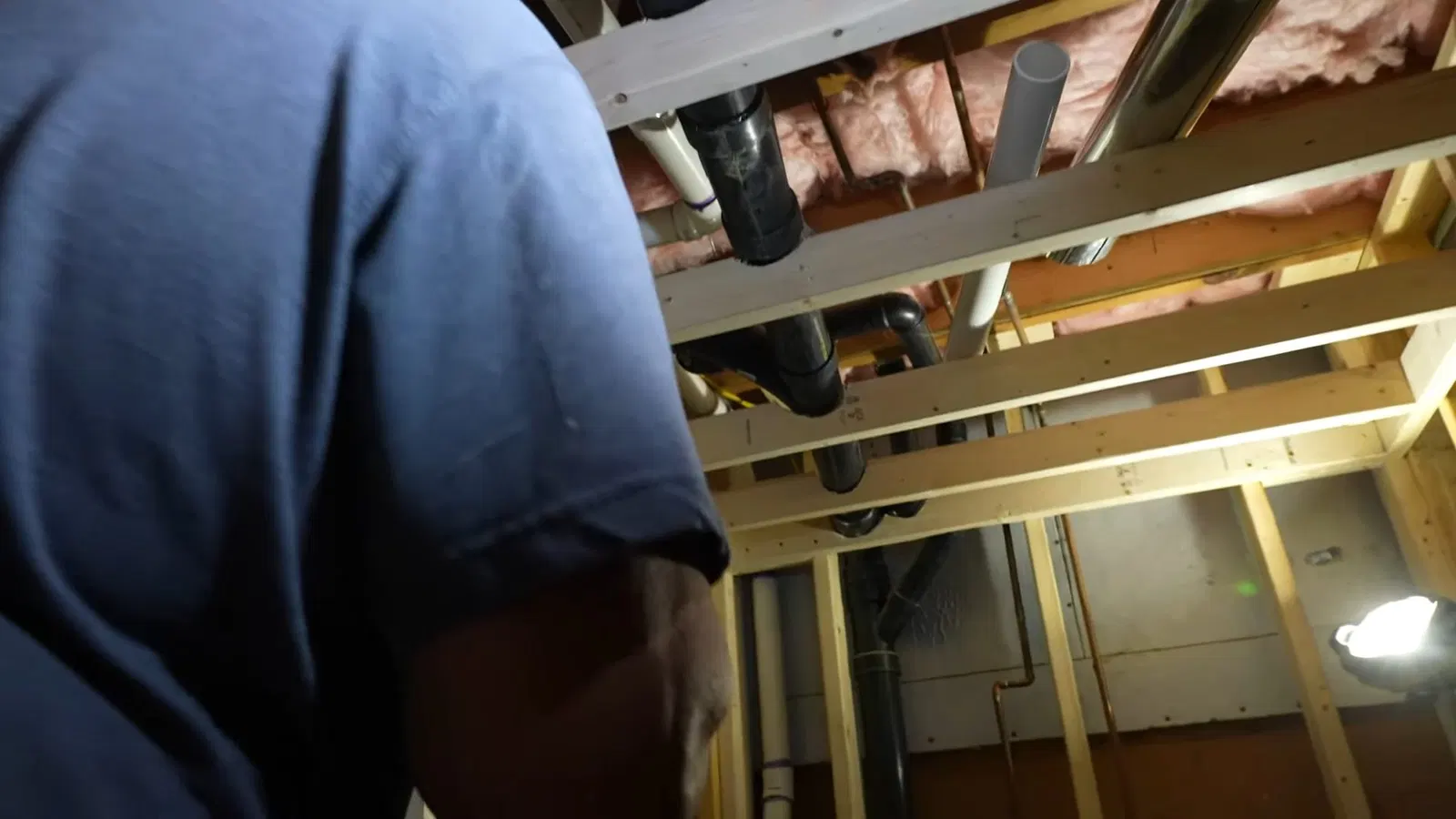
Why failures cluster rather than spread out
The instinctive model of pipe ageing is gradual and even: everything thins slowly, and at some point it starts failing. If that were true, failures would spread out over many years and each one really would be bad luck.
That is not what happens to copper in water this hard, and understanding the actual mechanism explains the clustering pattern people find so frustrating.
Water widely reported in the mid to high teens in grains per gallon deposits mineral continuously on the inside of pipe, and it deposits unevenly. Some stretches scale heavily, others stay comparatively bare. Corrosion then concentrates at the boundaries between the two, because that is where the electrochemical conditions favour it.
So instead of uniform thinning toward a predictable end of life, you get localised weak points developing throughout the system. And because the whole system was installed at the same time and has carried the same water ever since, those weak points mature at roughly the same rate.
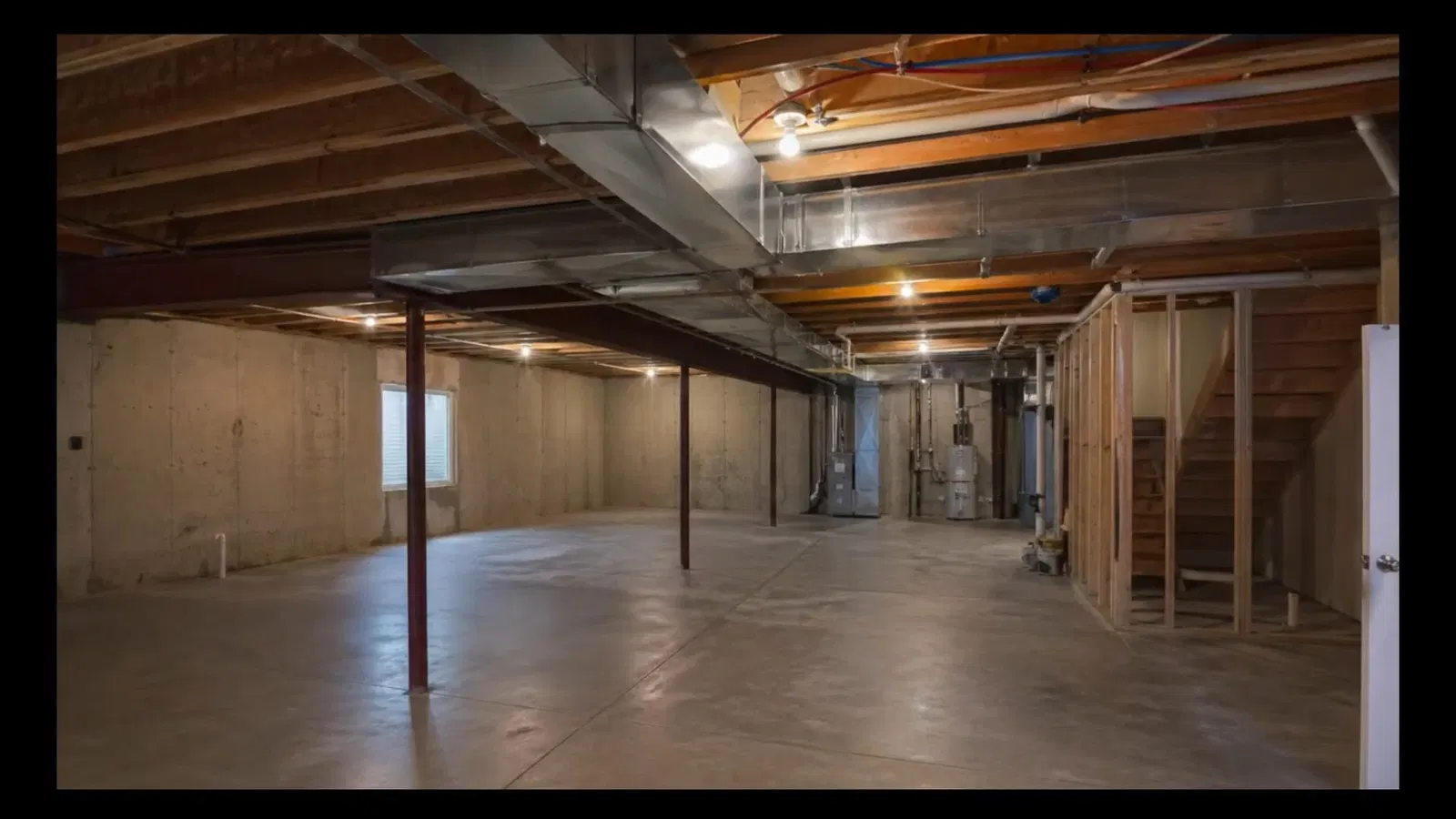
That is why one pinhole is so often followed by another, and why the gap between the second and third is usually shorter than the gap between the first and second. The pipe is not unlucky. It is arriving at the same place all at once.
The comparison people run, and the one they should
Faced with a second leak, most people compare the cost of this repair against the cost of a repipe. Framed that way the answer is obvious and always the same: one repair is dramatically cheaper.
That comparison is wrong because it puts one repair on one side and the entire future on the other. The useful question is what the next five years cost under each approach.
On the repair side that means: how many more failures, at what interval, at what cost each, plus what each one damages on the way. On the repipe side it is a single known number, paid once.
Nobody can predict the number of future failures precisely. What you can do is use the interval you already have. Two failures eighteen months apart, with the mechanism above suggesting the interval shortens, gives you a defensible working estimate. That is enough to make the comparison real rather than rhetorical.
The cost line that gets left out
Collateral damage is the missing number
Every honest version of this sum has to include the thing people forget: a repair is scheduled and a failure is not.
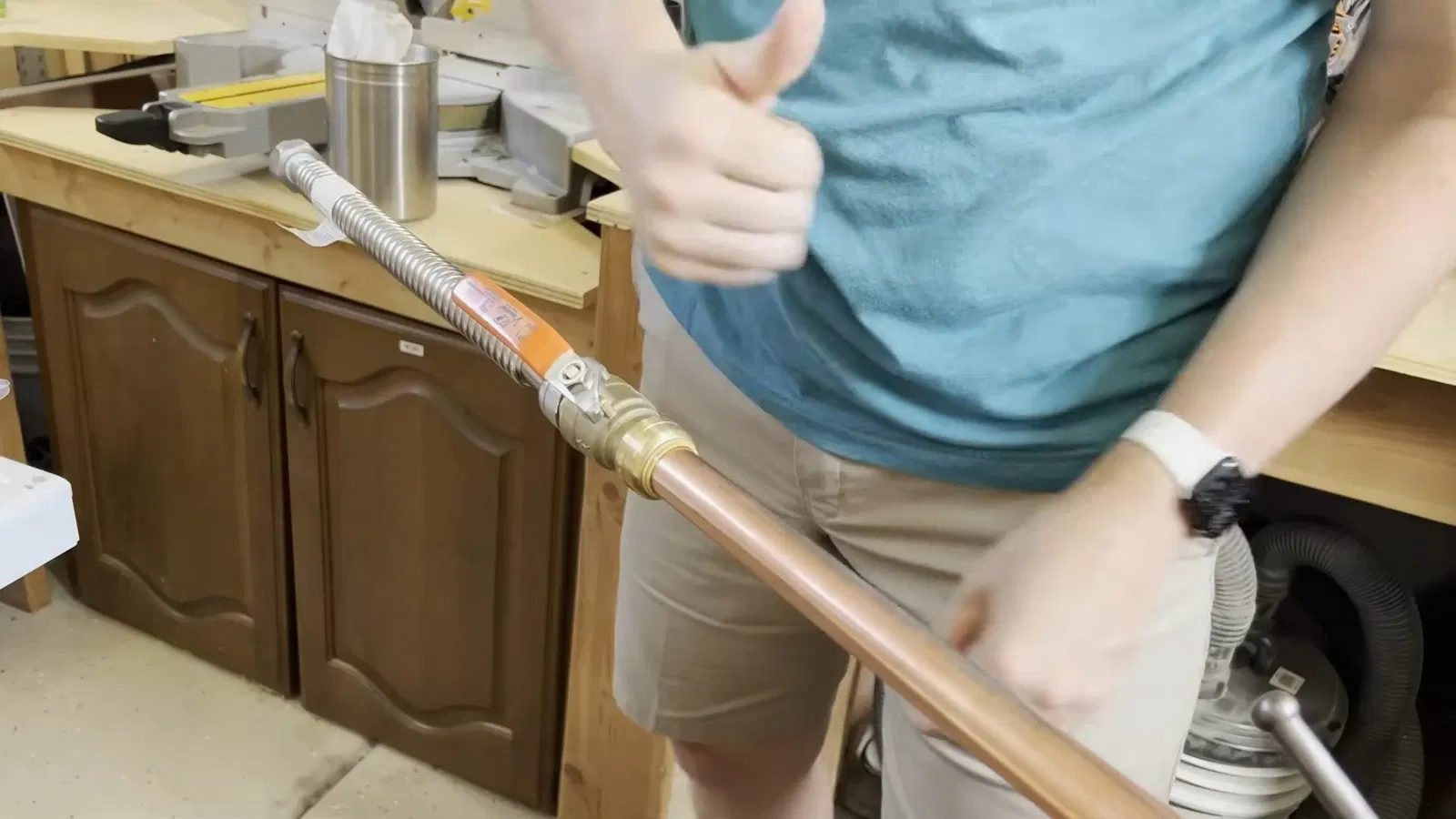
When you repipe, you choose the week. Water is off for portions of the work, openings are made where you agreed, and reinstatement is quoted in advance.
When a pinhole lets go behind a wall or under a slab at two in the morning, none of that applies. It runs until someone notices, which on an interior wall can be hours. Then there is an emergency call rather than a scheduled one, and there is wet drywall, insulation, flooring and framing.
That second part is frequently the larger bill. Drying is time sensitive in a way the plumbing repair is not, and every hour material stays wet widens the area that has to come out rather than be dried. A modest pipe repair can arrive attached to a restoration job several times its size.
Multiply that risk across the failures you expect over five years and the comparison shifts considerably.
STUCK ON THIS ONE?
The comparison that matters is five years of repairs against doing it once. Call (480) 806-2944 and you will get a range and an arrival window before anyone is dispatched.
What the work actually involves
| Aspect | Reality | Note |
|---|---|---|
| What gets replaced | The distribution runs to fixtures | Not drains and waste, which are a separate system |
| Routing | Through walls, ceilings and attic space | Deliberately away from under the slab |
| Access | Controlled openings at planned locations | Most of them small; agreed in advance |
| Water supply | Off for portions, not throughout | Most households stay in the property |
| Duration | Several days for a typical house | Longer on large custom homes with long runs |
| Reinstatement | Patching and redecoration | Where estimates diverge most; get it quoted explicitly |
The routing row is the one that changes the long-term picture. Taking new pipe overhead rather than back under the slab removes the buried runs from the equation entirely, so any future failure is accessible rather than requiring the floor to come up.
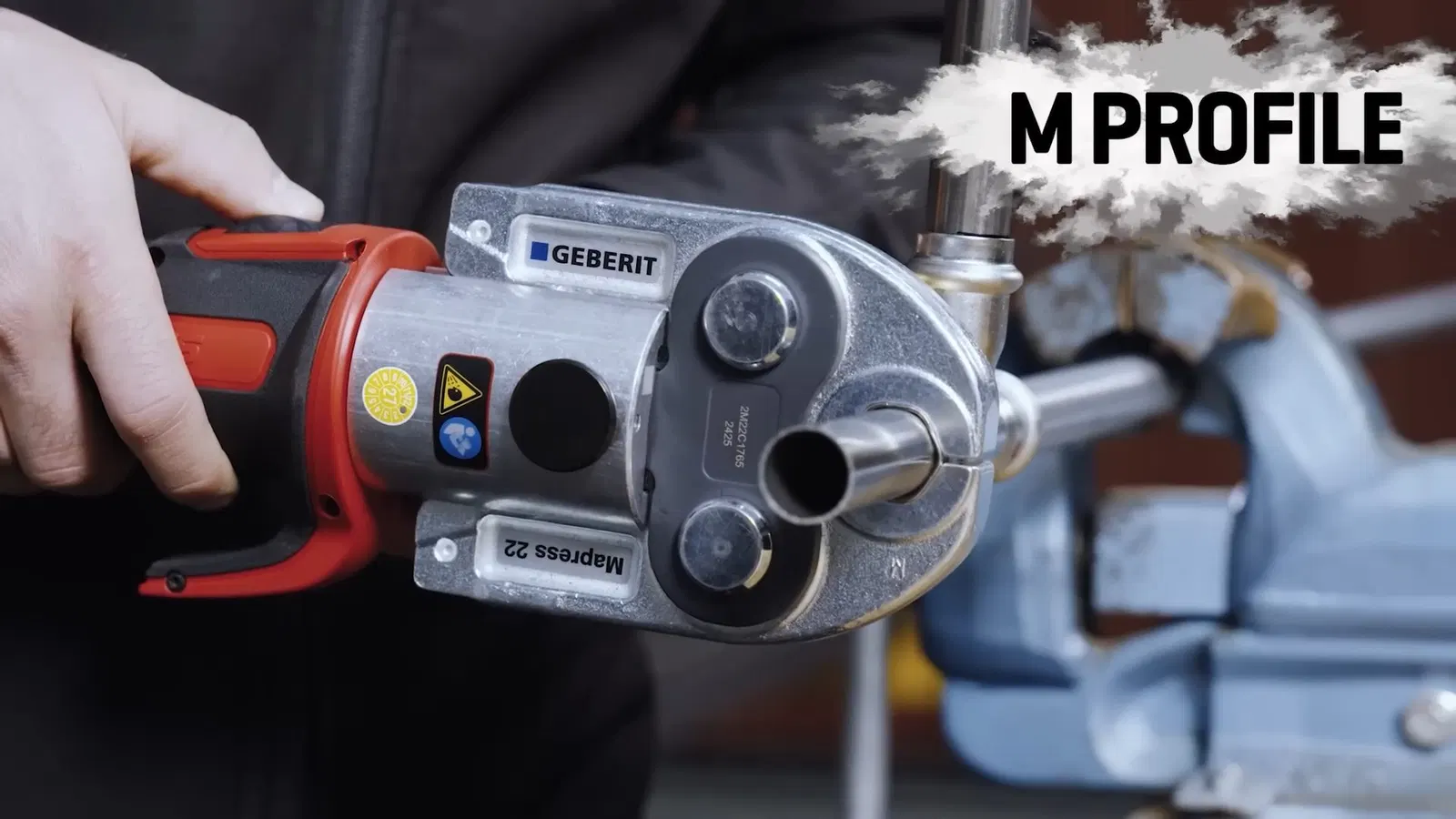
For a property that has already had a slab leak, that alone is a substantial part of the value, and it is often why rerouting gets folded into a repipe rather than treated as a separate decision.
Doing it once rather than twice
- Agree the routing and every opening location before work starts, along with exactly what reinstatement covers.
- Photograph the runs before the walls close. Knowing where the pipe goes is worth a great deal later, particularly on a custom-built house.
- Replace fixture shutoff valves at the same time. They are accessible exactly once, and old stops in this water frequently no longer close fully.
- Confirm the permit authority for your address, since it differs inside and outside the town limits.
- Fit water treatment as part of the project rather than as a follow-up.
- Ask what pipe material is proposed and why, and confirm it suits the routing and the water.
The treatment point is what decides whether the new system has a better life than the old one. Repiping without addressing the water installs new pipe into precisely the conditions that consumed the last set.
Modern materials tolerate hard water better than the copper they usually replace, so the outcome improves regardless. But reducing what the water deposits protects the fixtures, the valves and the water heater at the same time, and those are the components that will otherwise keep generating calls after the pipe problem is solved.
When repiping is not the answer
It is worth being clear about the cases where this is the wrong conclusion, because a pattern of two is not always a pattern.
If both failures were on the same short run, that is a section problem rather than a system problem, and replacing that run is proportionate. If one failure was on an exposed outdoor line after a cold snap and the other was inside, those have different causes and should not be counted together. High desert winters do produce burst hose bibs and split irrigation lines, and that is an exposure problem rather than a pipe condition problem.

If the property has mixed pipe, some replaced at some point and some original, then the age argument only applies to the original portion, and a partial repipe of that section is a legitimate answer.
And if the pressure complaint that prompted all this turns out to be upstream, a regulator, a supply restriction, or on a well property a pressure tank that has lost its air charge, then new pipe will not change it. Establishing that before committing to the work matters, and it is worth asking the question explicitly rather than assuming the diagnosis.
Questions about deciding to repipe
How many leaks before it is worth repiping?
There is no threshold that applies to every house, but the pattern matters more than the count. Two failures in different locations within a couple of years on original pipe of a single age is a genuine signal.
Other evidence strengthens it: visible corrosion at accessible joints, discoloured water at multiple fixtures, or pressure down across the whole property rather than at one tap.
Can it be done in stages?
Partial repipes are legitimate where failures are confined to an identifiable section, such as one run or one wing of the house.
The caution is that leaving original pipe in place leaves the original problem in place, and the boundary between new and old becomes the next thing to watch. It is a reasonable choice made with clear eyes, not a cheaper version of the same outcome.
Do I have to move out?
Usually not. Water is off for portions of the work rather than continuously, and the working areas are generally confined to the routes and fixture locations.
It is disruptive in the sense of dust and people in the house. It is not usually disruptive in the sense of being uninhabitable.
Will repiping fix my water pressure?
Sometimes, and it depends entirely on the cause. If scale has narrowed the bore of the supply runs, new full-bore pipe restores it.
If the restriction is upstream, at a regulator, on the service line, or at a pressure tank on a well property, repiping changes nothing. That is worth diagnosing before committing rather than discovering afterward.
Does insurance cover a repipe?
Typically not the pipe replacement itself, which is treated as maintenance, though resulting water damage from a sudden failure often is covered. Policies vary and it is your insurer's answer.
That asymmetry is itself an argument for acting on a pattern rather than waiting: the damage may be covered, but the disruption, excess and claims history are still yours.
Should I repipe before selling?
A commercial judgement rather than a plumbing one, and it depends on your market and disclosure obligations.
What is worth knowing is that a documented history of repeated leaks on original pipe may surface in a buyer's inspection anyway, and that conversation is easier with a completed repipe than with a pattern of patches.