HomeServicesBurst & Broken Pipe Repair
Pipes and repiping
Burst Pipe Repair in Cave Creek, AZ
The first two minutes matter more than anything a plumber does afterward. Getting the water stopped is the whole job until someone arrives.
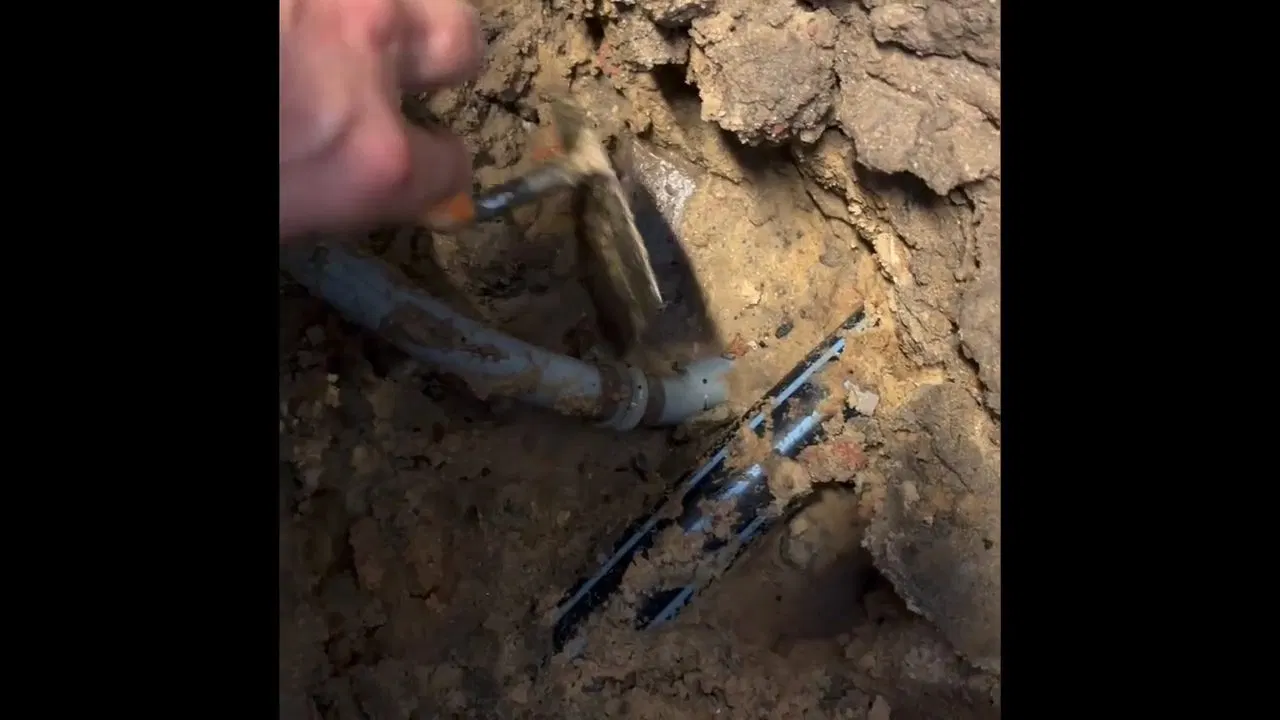
Stopping it, in order
- Close the main shutoff. On town water it is usually near the meter or where the supply enters the building.
- On a well or storage tank system, close the valve and cut power to the pump. A pump will keep pushing water through a break until it is switched off.
- If you cannot reach or close the main, close the nearest isolating valve upstream of the break instead.
- Open a low fixture to drain pressure out of the system once the supply is closed.
- Cut power to any circuit near where water is spreading. Electricity first, plumbing second.
- Move what you can out of the water, and photograph the scene before anything gets cleaned up.
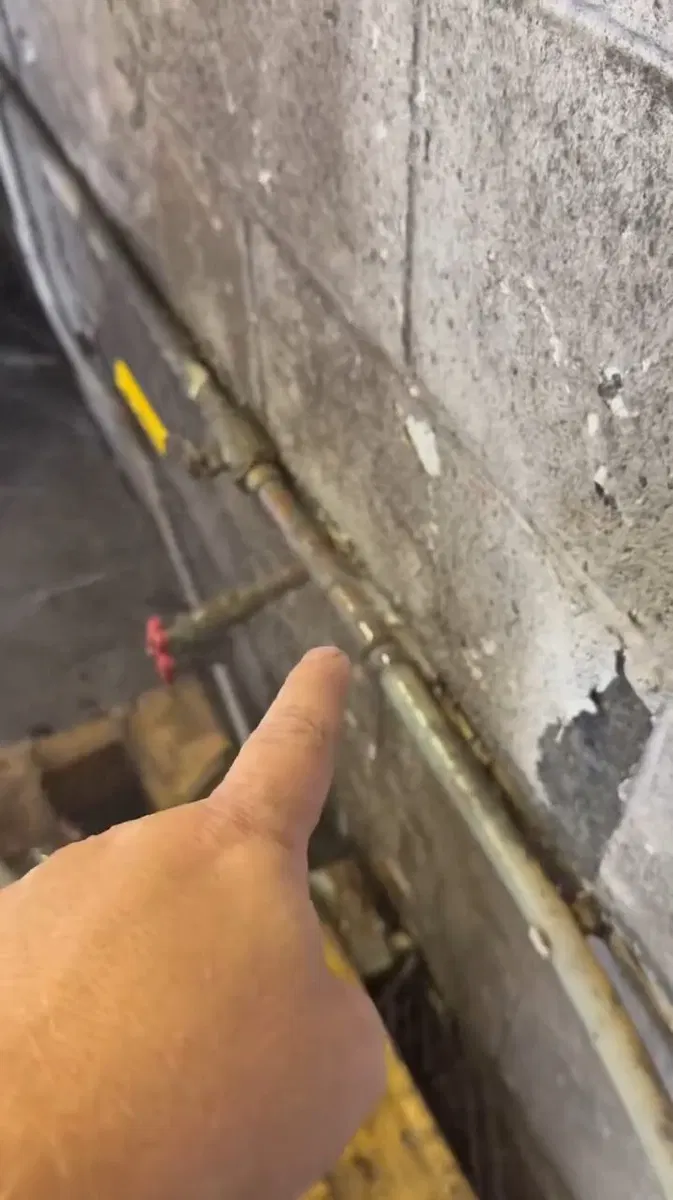
Knowing where your shutoff is and whether it actually turns is worth five minutes on an ordinary afternoon. Valves that have sat untouched for years in water this hard accumulate deposit around the stem and seat, and a surprising number will not close fully when they are finally needed.
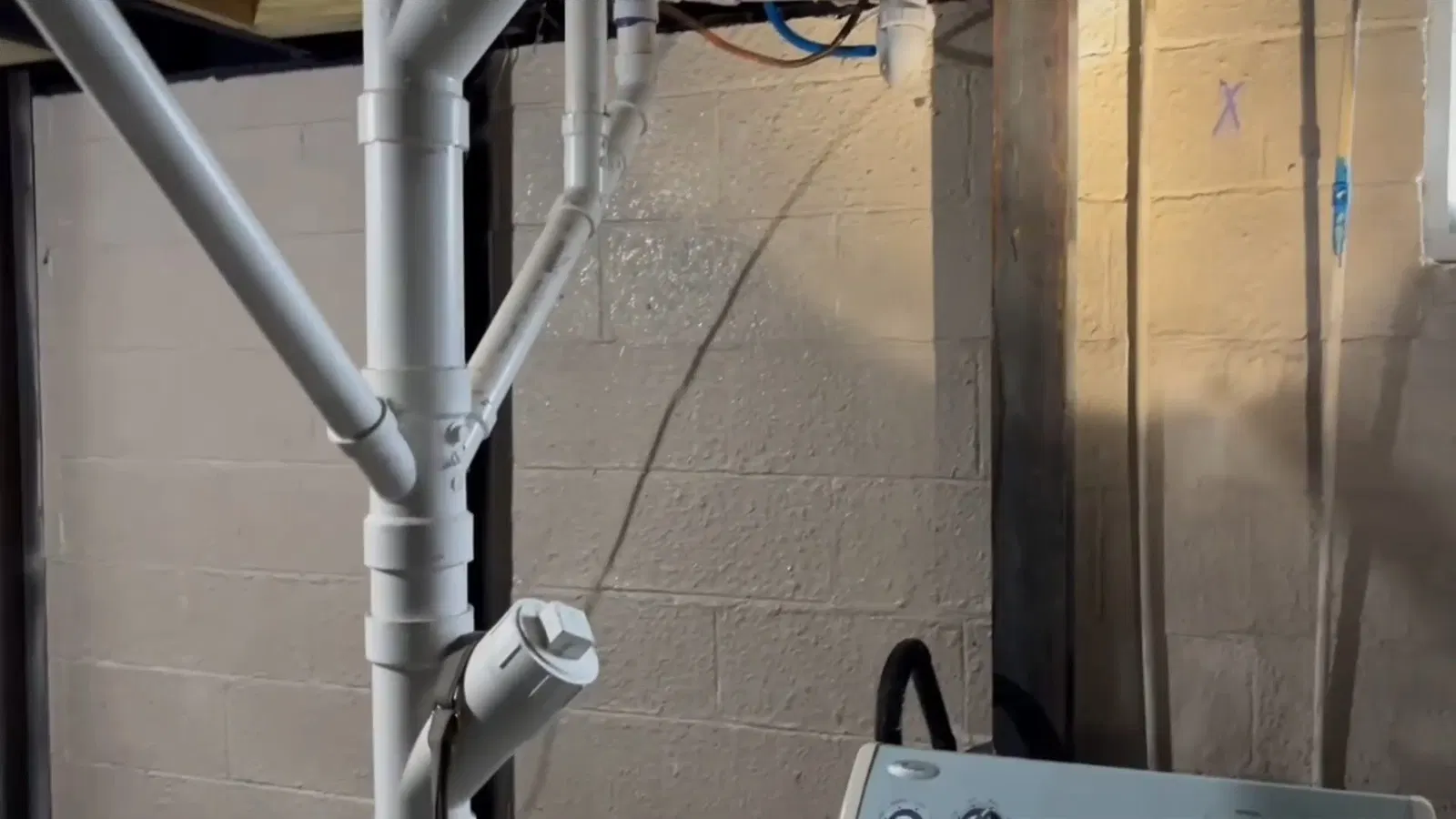
If yours is stiff or weeps when you test it, that is a small scheduled job now rather than the thing that goes wrong during an emergency.
TALK IT THROUGH FIRST
If you cannot stop the water, that is a call right now rather than in the morning. Call (480) 806-2944 and describe what you are seeing; you will get a range and a window before anyone is dispatched.
What actually bursts here, and why
| Where | Cause | How it presents |
|---|---|---|
| Interior supply line | Pinhole corrosion on scaled copper, or a fitting failure | Water inside a wall or ceiling, sometimes for hours before it shows |
| Under a slab | The same corrosion, out of sight and under concrete | Warm floor, running sound, later moisture through the flooring |
| Exposed outdoor pipe | Winter cold on unprotected line, plus years of UV on plastic | A visible split, usually discovered in the morning |
| Buried run to an outbuilding | Age, rock in the backfill, or settlement | Pressure loss, a pump cycling, damp ground with nothing running |
| Pressure tank and pump fittings | Vibration, corrosion, a failed bladder stressing connections | Water in the well house or pump enclosure |
| Water heater connection | Braided line at end of life, or the tank itself failing | Water pooling around the unit, often overnight |
The failure people here do not plan for
The outdoor row catches people out here every winter. The reputation of the Sonoran Desert is heat, so pipe insulation and hose bib covers get treated as something for other climates.
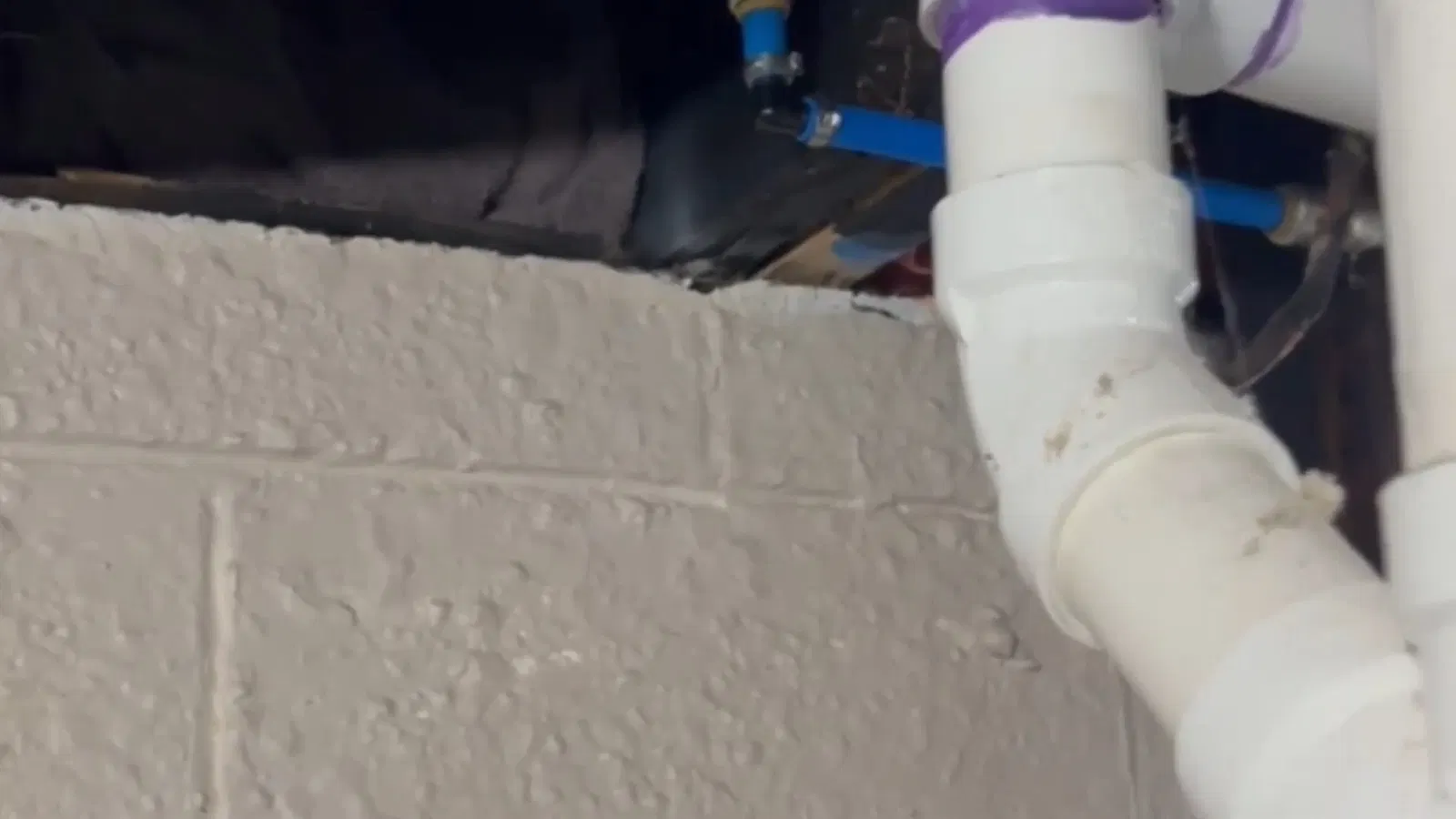
But this is high desert at elevation, overnight lows in winter drop further than the daytime figures suggest, and the exposed plumbing on properties around here is extensive: irrigation runs, troughs, outdoor showers and long runs to detached structures. That combination is exactly what produces a split hose bib or a burst irrigation line discovered on a cold morning.
It is a genuinely cheap thing to prevent. Insulating exposed line and covering hose bibs before the first cold snap costs very little compared with tracing a break on a buried irrigation run afterward.
Repair, and the question that follows it
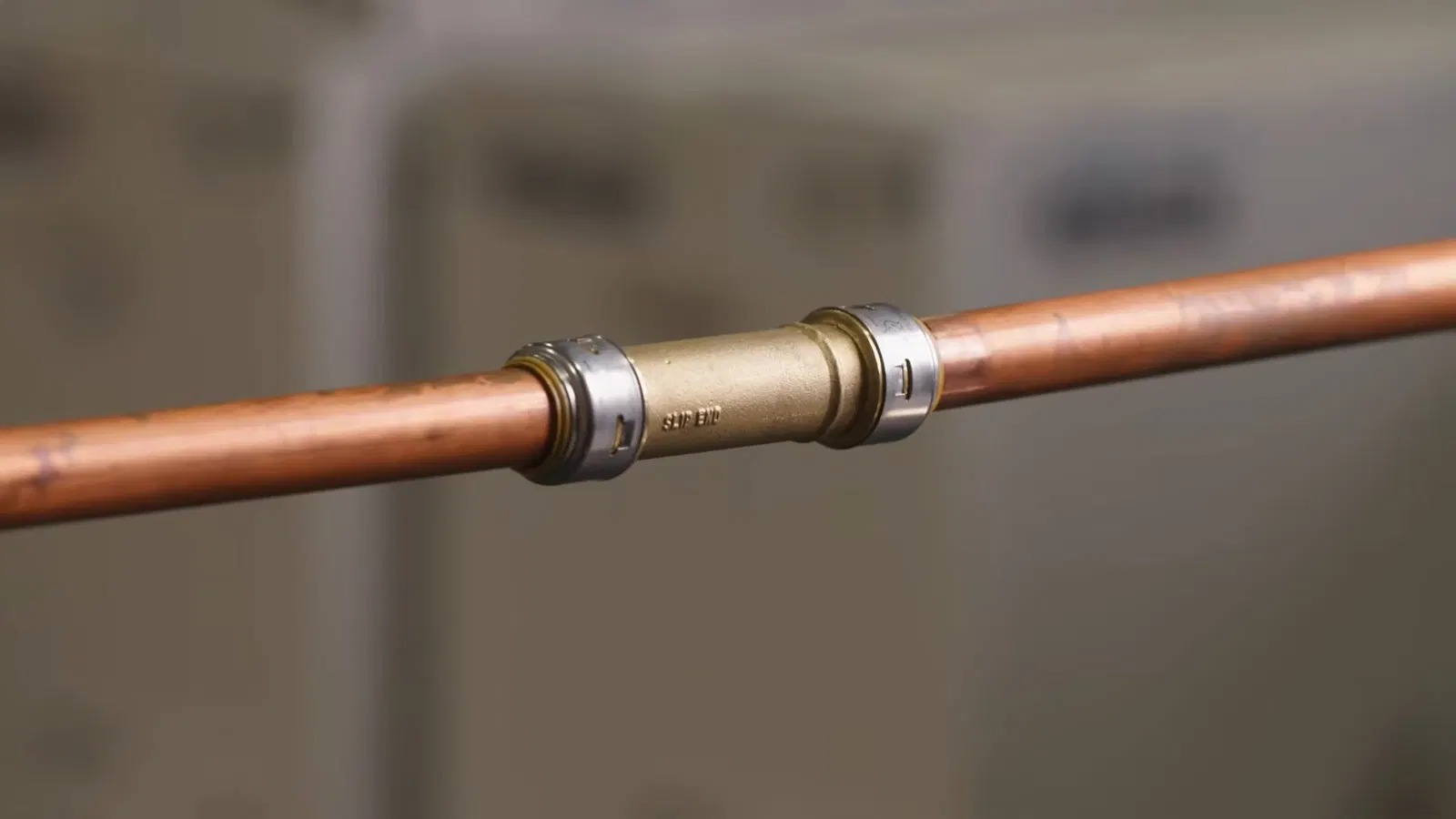
The repair itself is often the smallest part. Once the water is off and the break is accessible, cutting out the failed section and joining in a new piece is straightforward work.
The question that matters more is what the failure says about the rest of the system. A split on an exposed outdoor line after a freeze is an event with an obvious external cause, and there is nothing to infer about the pipe indoors.
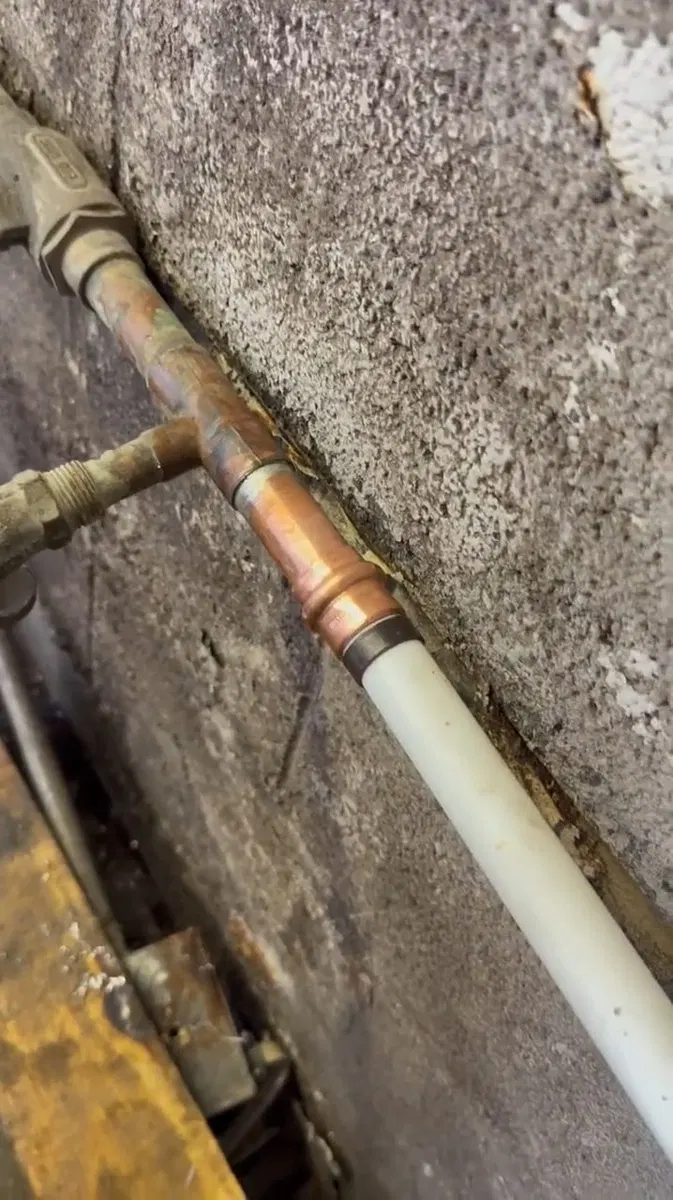
A pinhole on an interior copper run is different. It is the visible end of a process that has been happening along the whole run for years, because very hard water deposits mineral unevenly inside copper and corrosion concentrates at the boundaries. Repairing that one point on pipe that is thinning throughout buys months rather than years, and the next failure may be somewhere with worse consequences.
So the useful conversation after the repair is about the pattern. One failure is an event. Two in a couple of years is a case for replacing the run rather than patching it, and that comparison is worth running properly rather than deferring until the third.
After the water stops
Water that has soaked into flooring, drywall, cabinetry or framing is a separate and time-sensitive problem from the plumbing. The clock on whether material can be dried rather than removed is measured in days, and it starts when the water arrives, not when someone looks at it.
That is why restoration is dispatched on its own line here, so drying can start while the plumbing repair is happening rather than after it. If the affected area is more than a small patch, getting that moving in parallel is the single decision that most affects the final bill.
For insurance purposes, the useful records are photographs taken before anything was moved, the time you discovered it, and what you did to stop it. Sudden and accidental failures are generally treated differently from gradual leaks, so documenting the onset matters more than people expect.
Repair, replacement and when a permit enters the picture
CODES AND PERMITS
An emergency repair to restore water is not usually a permitting question, and nobody should wait on paperwork with a pipe open. Where it does enter the picture is when the repair turns into a replacement: a rerouted run, a new buried line to an outbuilding, or a section replaced rather than patched.
At that point the work is inspected against the locally adopted plumbing code (IPC), which in the Town of Cave Creek means the International Plumbing Code adopted by reference in the municipal code, and outside the town means Maricopa County's 2018 adoption. Arizona sets no statewide edition, so the two genuinely differ, and licensed contractors here work under the Arizona Registrar of Contractors.
Burst pipe questions, including on well and tank systems
I cannot find my shutoff. What now?
Call, and say that first. It changes the priority of the call, because a property with water running and no way to stop it is a different situation from one that has been isolated.
In the meantime, look near the meter, where the supply enters the building, or in a utility space. On a well or tank system, cutting power to the pump at the breaker stops the flow even if you cannot find a valve.
The shutoff is closed but water is still coming. Why?
Two common reasons. The valve may not be seating fully, which is common on old stops in hard water, so it reduces flow without stopping it.
Or you may be draining what was already in the pipes above the break, which stops within a few minutes. If it is still running after that, the valve is not holding and the supply needs isolating further upstream.
Do pipes really freeze around Cave Creek?
Exposed ones do. Interior plumbing in a heated building is rarely at risk, but outdoor and unheated-space pipe is a different matter.
This is high desert, overnight winter lows drop further than daytime temperatures suggest, and properties here typically have a lot of exposed outdoor plumbing. Hose bibs, irrigation lines and runs to detached structures are the ones that split.
Is a burst pipe covered by insurance?
That depends on your policy and the cause, and it is your insurer's decision rather than a contractor's. Sudden failures and gradual leaks are usually treated differently.
What helps in either case is documentation: photographs before cleanup, the time you found it, and a record of the drying process if one was needed.
Can I patch it myself until someone arrives?
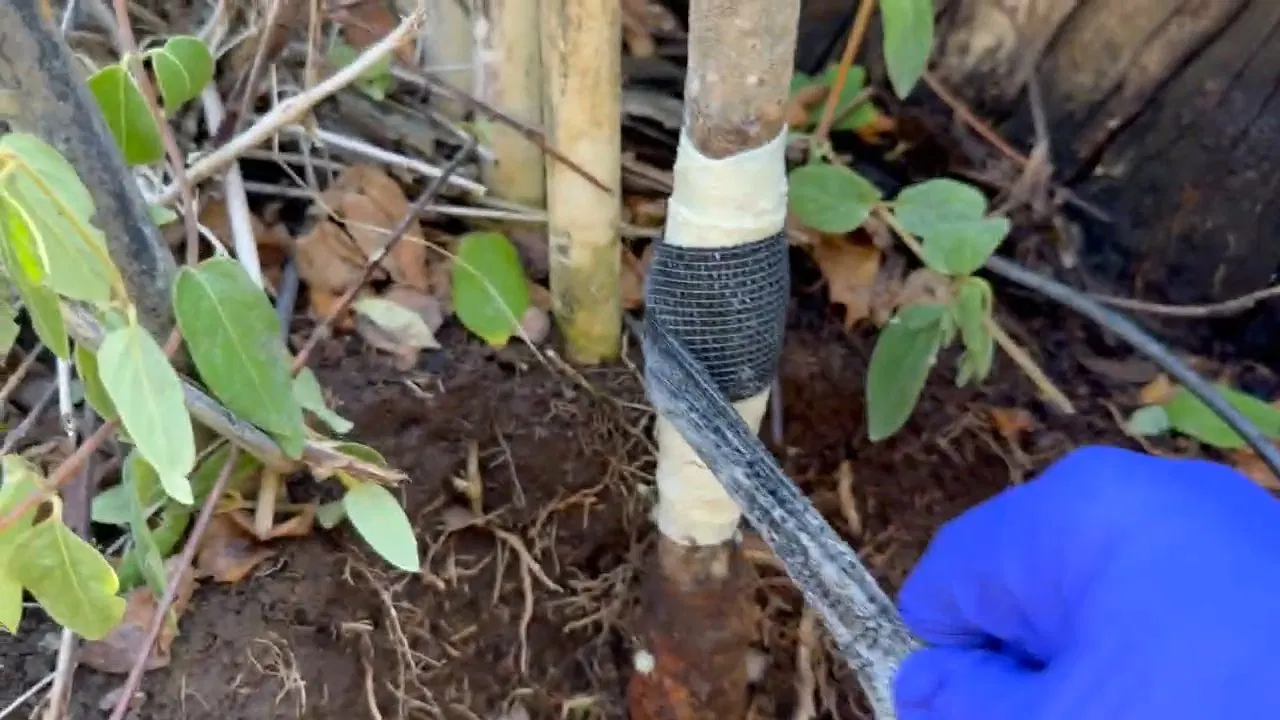
A repair clamp or tape can slow a leak on an accessible pipe once the water is off, and it is fine as a stopgap. Treat it as buying time, not as a repair.
The more useful thing is usually keeping the water off and getting anything valuable away from the affected area. A clamped pipe still under pressure is a repair waiting to fail again.
What if the break is on a buried line I cannot see?
That is a locating job before it is a repair job. Symptoms are usually indirect: pressure loss at a distant fixture, a pump cycling with nothing running, or damp ground in an unexpected place.
Isolation, pressure testing and acoustic locating narrow it down before anything gets dug. On a large parcel that is the difference between one small excavation and a search across the property.
Pipe burst and water still running?
Close the main if you can reach it, then call. If the shutoff will not hold or you cannot find it, say so first, because that changes how the call is handled.