Why the brochure number does not apply here
Published service life figures for water heaters are honest enough. They are also calculated against reasonably ordinary water, and water in this part of Maricopa County is not reasonably ordinary.
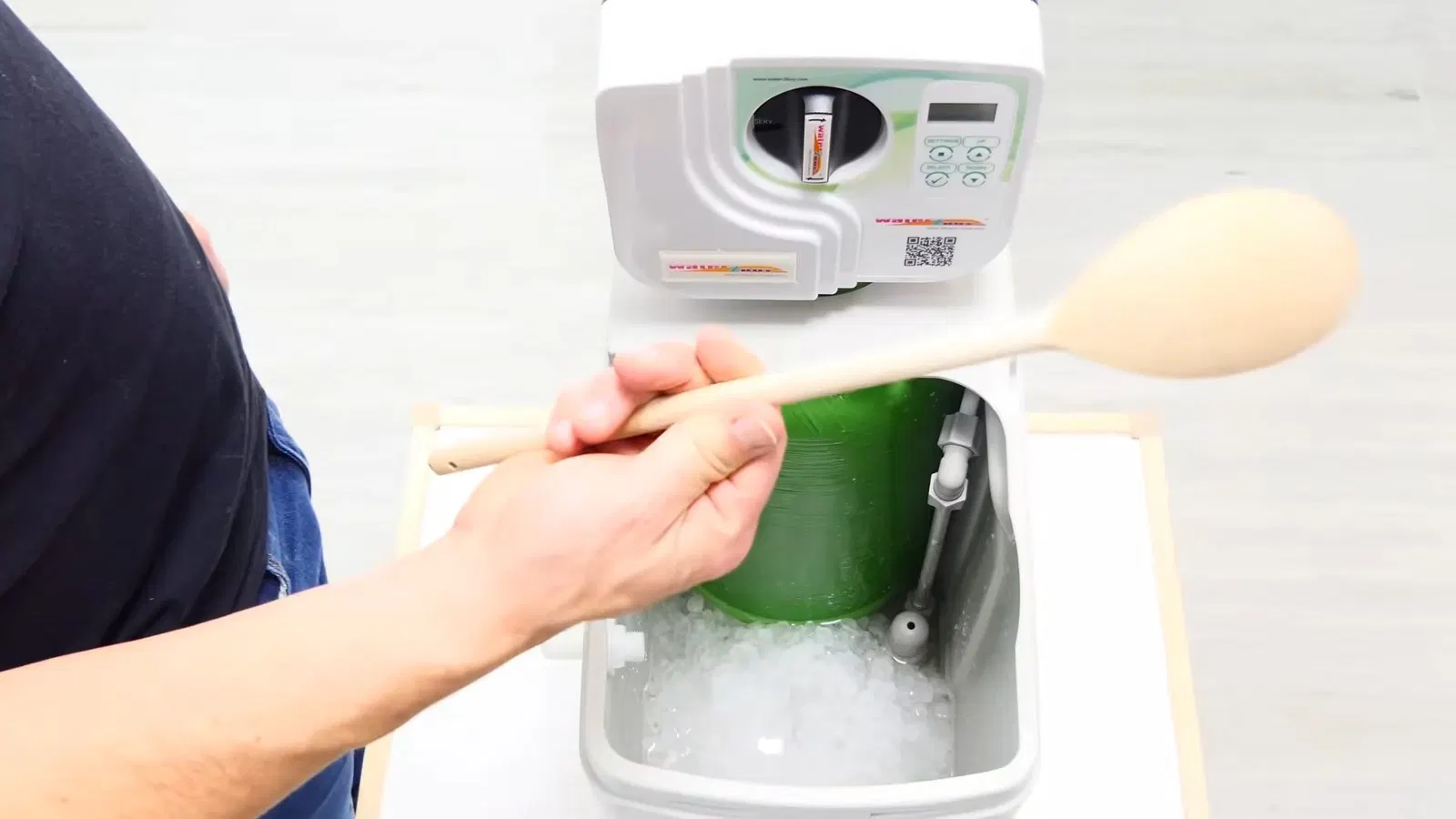
Hardness above about ten grains per gallon is where the industry starts calling water very hard. Local supply is widely reported in the mid to high teens, which puts it comfortably past that line rather than near it. Well water in the surrounding county can run harder still, sometimes with iron or manganese depending on depth and geology.
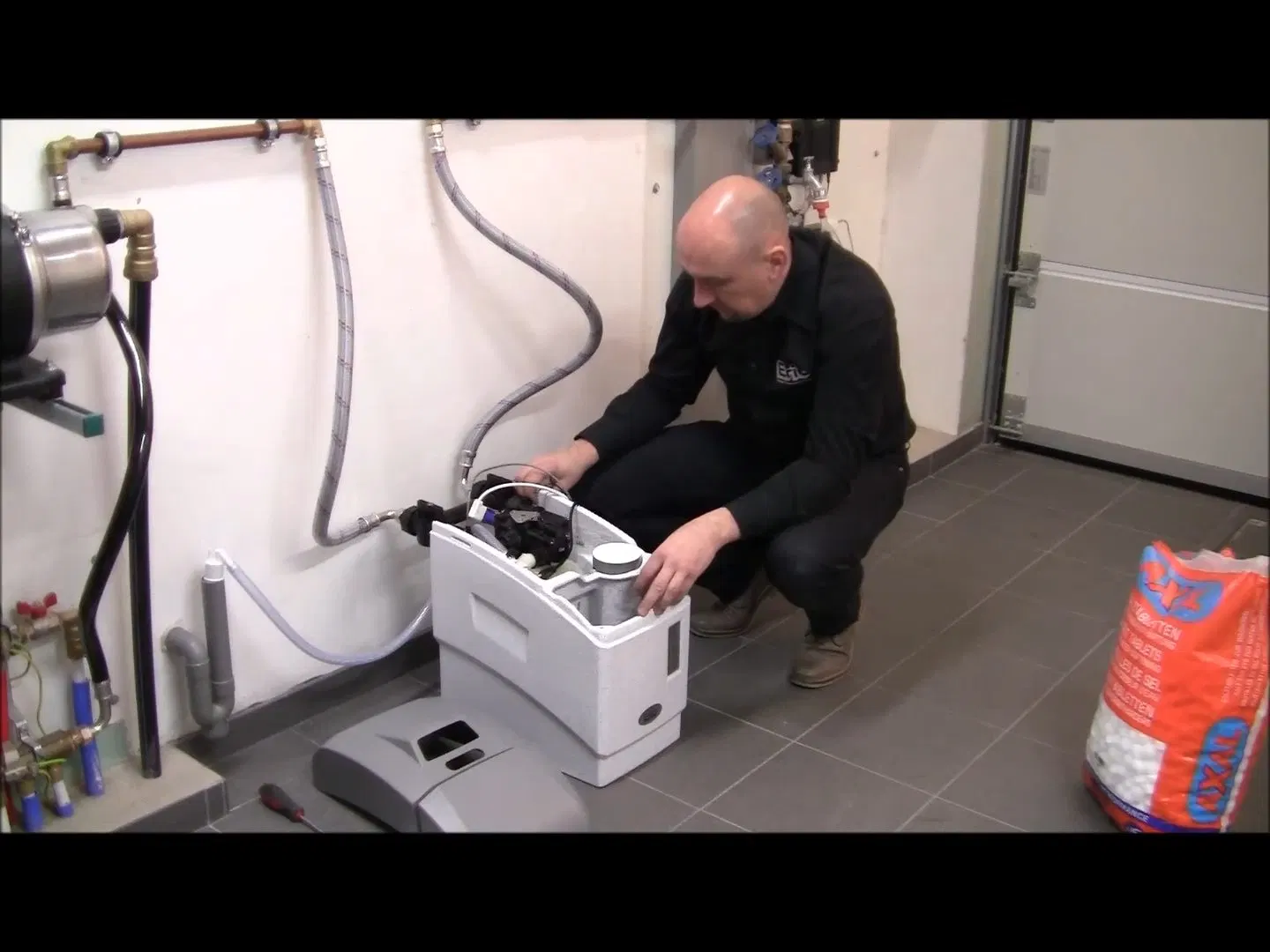
Every gallon of that water heated leaves some of its dissolved mineral behind, permanently, on the hottest surface available. In a gas unit that is the tank floor directly above the burner. In an electric unit it is the element itself, and the space below it.
The deposit accumulates for the entire life of the unit and it does not redissolve. That is the whole mechanism, and everything else follows from it.
What the sediment actually does
Efficiency is the small problem, not the big one
Two consequences, and the second is the one that matters.
The first is efficiency. The scale layer sits between the heat source and the water it is meant to heat, and it is a considerably better insulator than water is. So the unit runs longer to reach the same temperature, and the running cost creeps up quietly over years.
The second is structural. The steel above a gas burner was designed to be cooled by the water on the other side of it. Once there is a layer of mineral in between, it is being cooled by scale instead, which is much worse at the job. That metal runs hotter than it was designed to run, for years, and eventually it fails.
The important part is how it fails. A water heater in this water does not usually announce its retirement by refusing to heat. The tank floor gives way, often overnight, with the supply still connected and forty or fifty gallons plus whatever keeps arriving. That is why water heater failure is a leading cause of indoor water damage locally, and why the age of yours is genuinely useful risk information rather than trivia.
STUCK ON THIS ONE?
Knowing the age of the unit is the single most useful thing before you call. Call (480) 806-2944 and you will get a range and an arrival window before anyone is dispatched.
The noise is a measurement
If your water heater rumbles or pops while it heats, that is not a mysterious sound. It is water trapped underneath the sediment layer flashing to steam and forcing its way out through it.
That makes it a direct, audible measurement of how much deposit has accumulated. A quiet unit has relatively little. A unit that sounds like gravel in a kettle has a great deal, and no amount of it is coming out on its own.
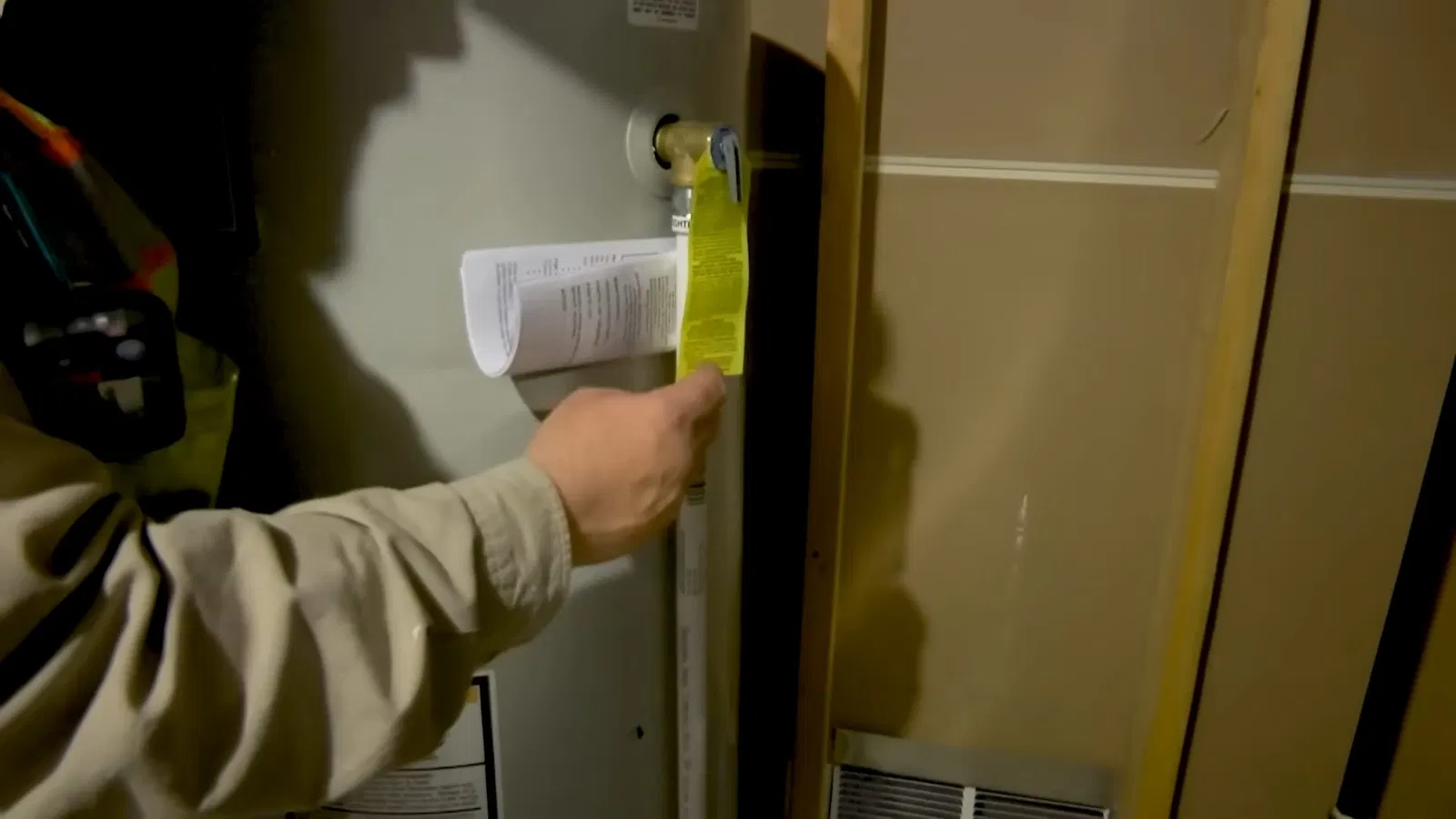
Annual flushing genuinely helps in this water in a way it barely registers somewhere with soft supply. It is the single most worthwhile maintenance task available to a homeowner here, and local trade guidance commonly suggests once a year as a baseline with heavily scaled supplies benefiting from more frequent attention.
What flushing cannot do is remove deposits that have already hardened onto the tank floor or the element. It works as prevention and disappoints as a cure, which is why starting it on a new unit is worth far more than starting it on a ten year old one.
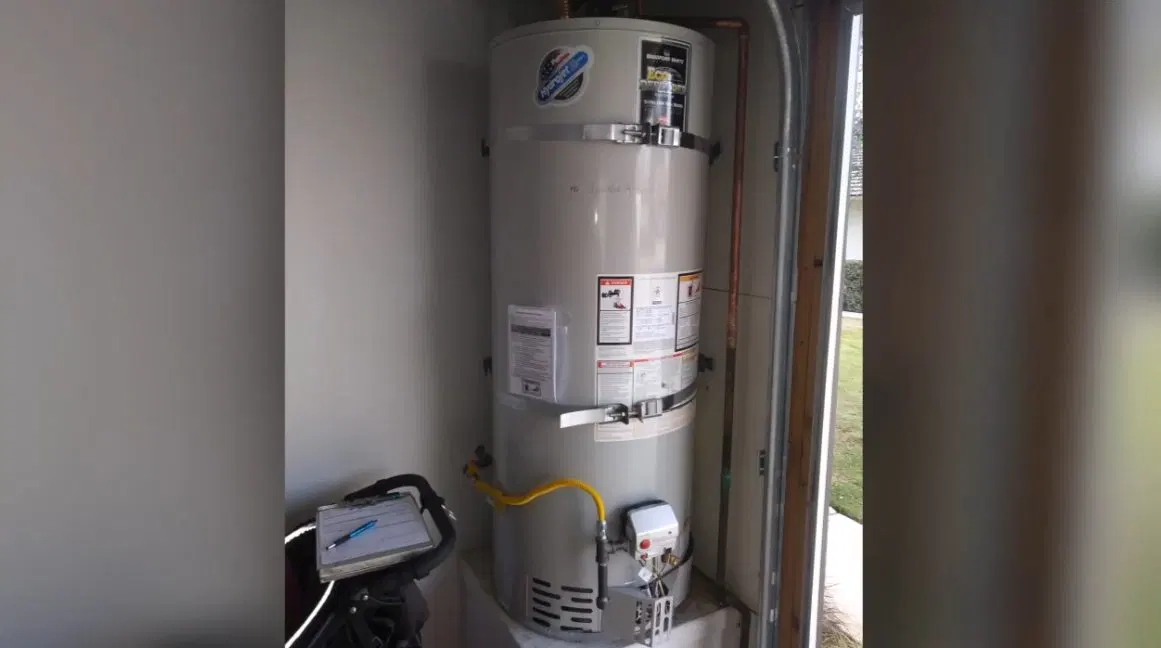
Deciding between repair and replacement
| Unit age | If a component fails | Reasoning |
|---|---|---|
| Under 6 years | Repair | Tank has real life left; parts are replaceable |
| 6 to 10 years | Depends on the repair cost | Cheap part on a quiet unit, yes; significant spend on a noisy one, no |
| Over 10 years | Usually replace | The tank is the part that cannot be repaired and it is close to the end |
| Any age, rust in hot water | Investigate urgently | Points at tank corrosion or a spent anode rod |
| Any age, moisture at the base | Establish which | A weeping fitting is a repair; the tank itself is not |
The reason the line sits earlier here than general advice suggests is not that repairs stop working. It is that a substantial repair on a unit whose tank has been accumulating scale for a decade is money spent on borrowed time, and the borrowed time ends with a flood rather than with an inconvenience.
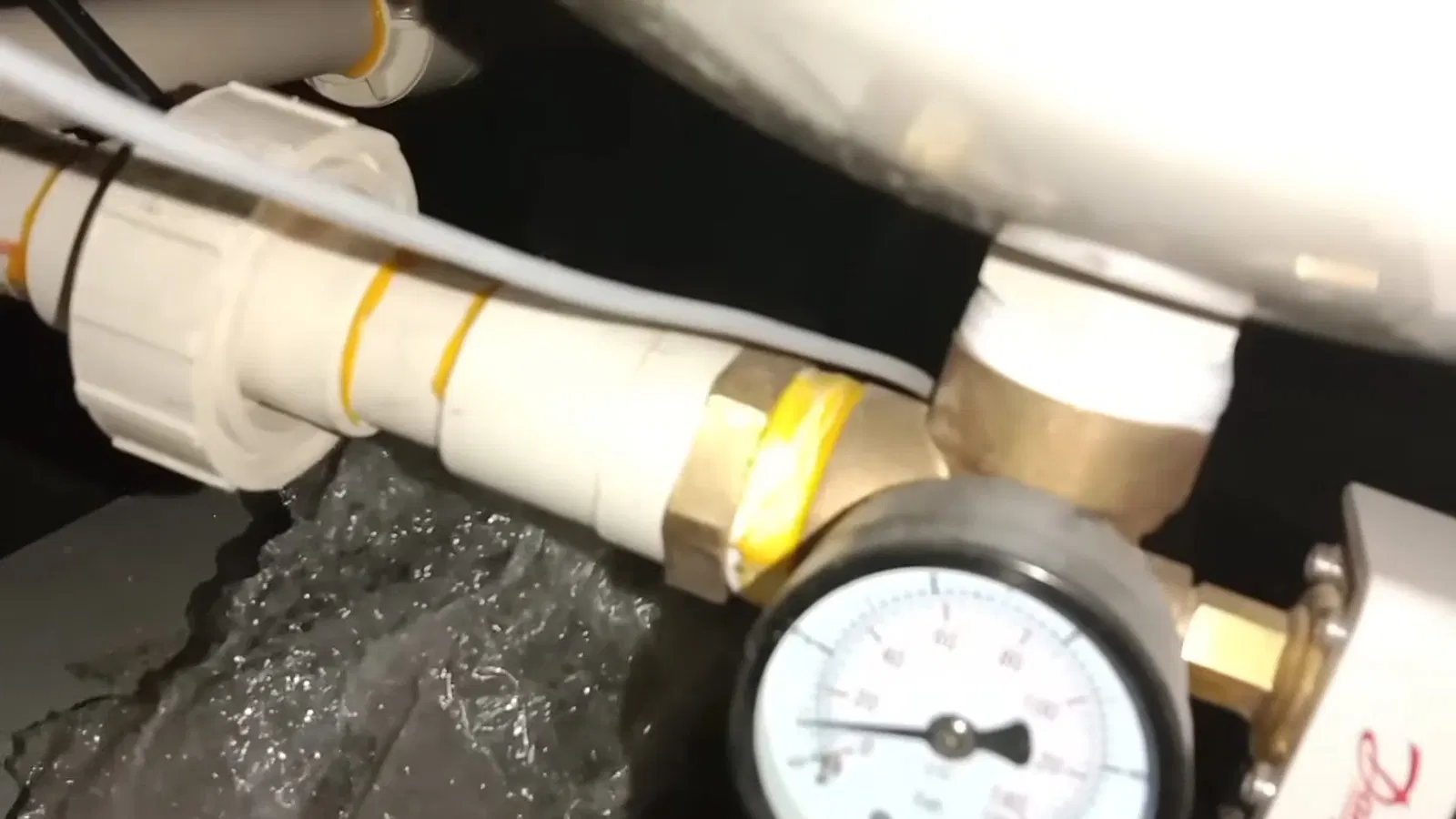
Choosing the timing is the real advantage. A planned replacement happens on a weekday at a scheduled rate, with the specification you want. An unplanned one happens whenever the tank decides.
Getting more life out of the next one
- Treat the water before fitting it. A new tank installed onto untreated very hard water starts the same clock on day one.
- Size to real peak demand rather than to the largest that fits. More standing hot water means more mineral deposited continuously, for capacity you are not using.
- Ask what anode rod is fitted and when it should first be checked. Hard water consumes the sacrificial rod faster, and a spent rod means the tank is corroding instead.
- Insist on a drain pan with a drain line routed somewhere a failure will be visible.
- Flush it annually from the start, not from the point where it gets noisy.
- Check that the relief valve discharge is routed to a safe termination rather than onto the floor.
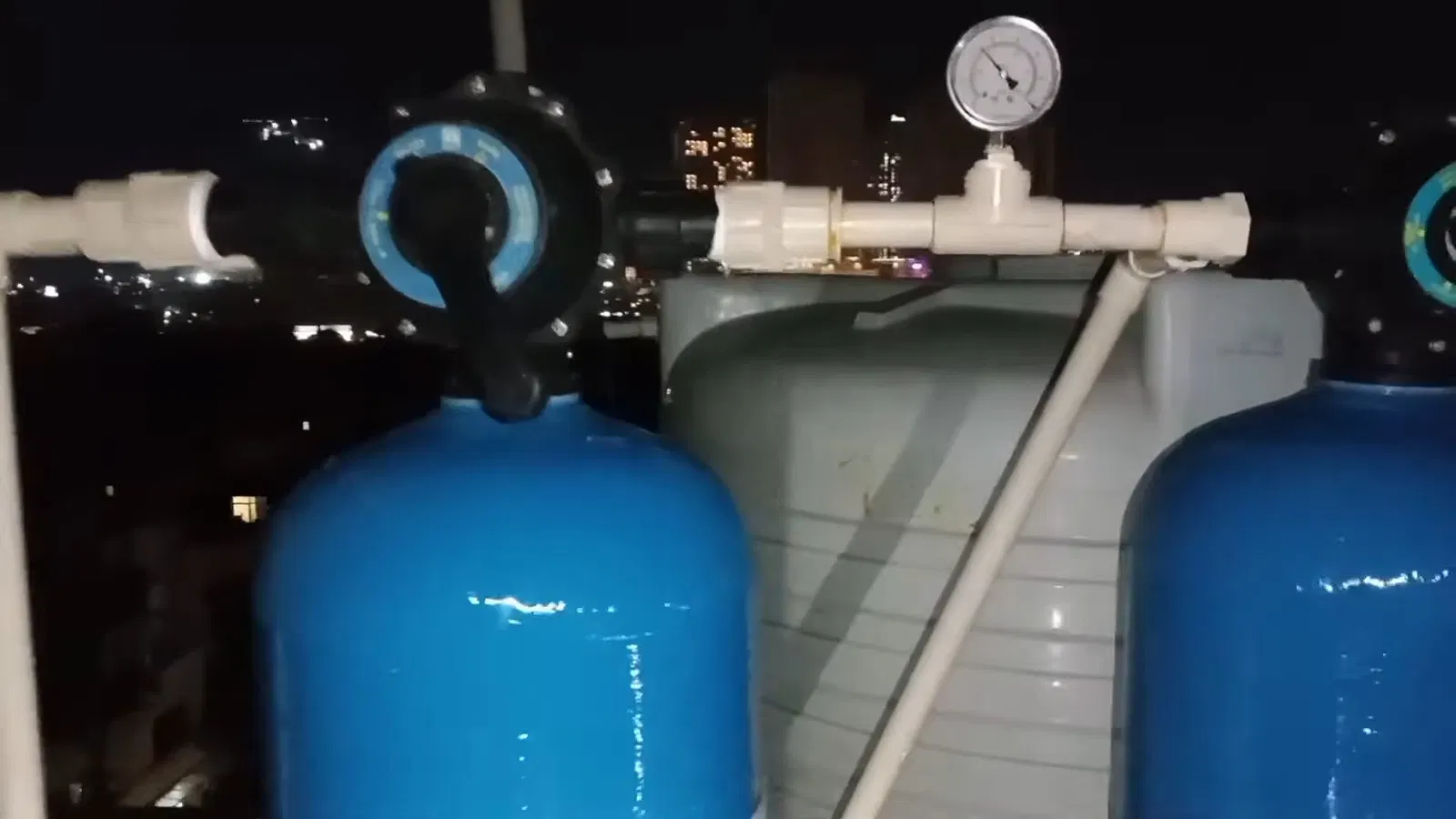
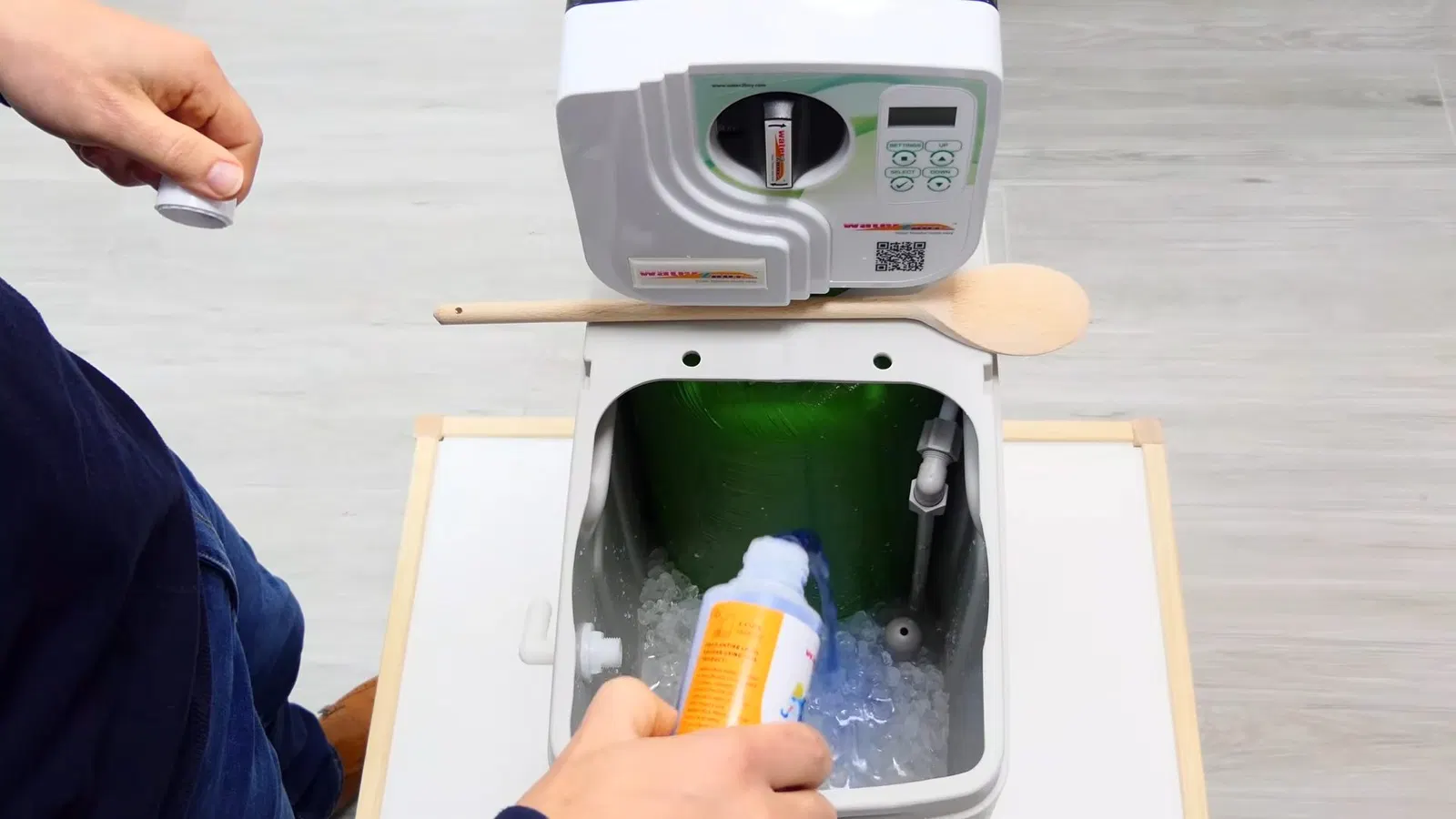
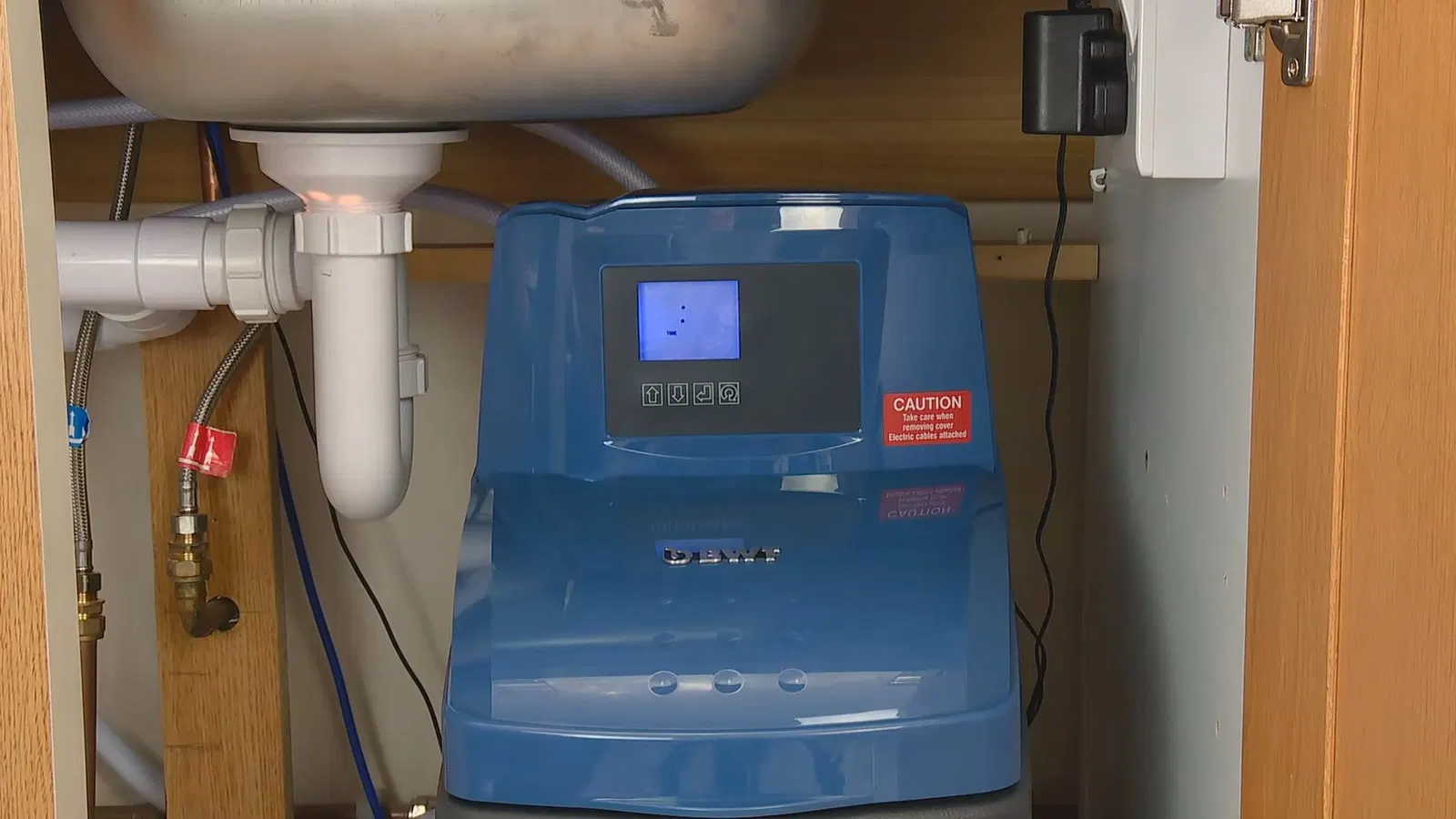
The first item is the one that changes the outcome rather than the margin. Reducing what the water deposits addresses the mechanism directly, and it protects fixtures, valves and appliances at the same time rather than only the water heater. If both jobs are planned, the order matters: treatment first means the new tank spends none of its life in the conditions that ended the last one.
If you are considering tankless instead, the trade is worth understanding rather than assuming. There is no tank floor to fail, which removes the flooding failure mode entirely. Scale still forms, on the heat exchanger, and clearing it requires descaling on a schedule commonly quoted at every twelve to eighteen months. Whether that suits you is a question about maintenance habits rather than about equipment.
Water heater questions specific to hard water
How do I find out how old my water heater is?
The rating plate carries a serial number, and most manufacturers encode the manufacturing date in it, commonly in the first few characters.
If the plate is unreadable, check for a permit sticker or an installation date written on the unit, or look at closing paperwork if the property changed hands.
Is it worth flushing a tank that has never been flushed?
Worth asking about, with modest expectations. Flushing removes loose sediment sitting in the bottom, which can recover some capacity and reduce noise.
It will not remove hardened scale bonded to the tank floor, and on a unit that has gone a decade in this water most of the deposit is in that category. On a very old tank, disturbing heavy sediment occasionally reveals a weakness that was already there, which is worth knowing before deciding.
Will a softener actually extend the life of the next one?
It addresses the specific mechanism, which is more than most maintenance does. Less dissolved mineral entering means less deposited on the burner surface or element.
The wider return is usually across the rest of the house rather than the heater alone: fixtures, cartridges, valves, dishwasher and washing machine all benefit from the same change.
Should I get a bigger tank while I am replacing it?
Only if you genuinely run out of hot water now. Oversizing has a real downside in this water, because a larger volume of standing hot water deposits more mineral continuously for capacity you do not use.
If the current unit meets your needs and is simply old, matching capacity is usually right.
Do I need a permit to replace one?
Frequently yes, and where it goes depends on your address. Inside the town limits the Town of Cave Creek runs its own building department; unincorporated parcels go through Maricopa County Planning and Development.
Arizona sets no statewide plumbing code, so the two are genuinely on different editions, and requirements around relief valve discharge, expansion control and venting have moved between them. The service page covers what a compliant installation includes.
There is water around the base right now. What do I do?
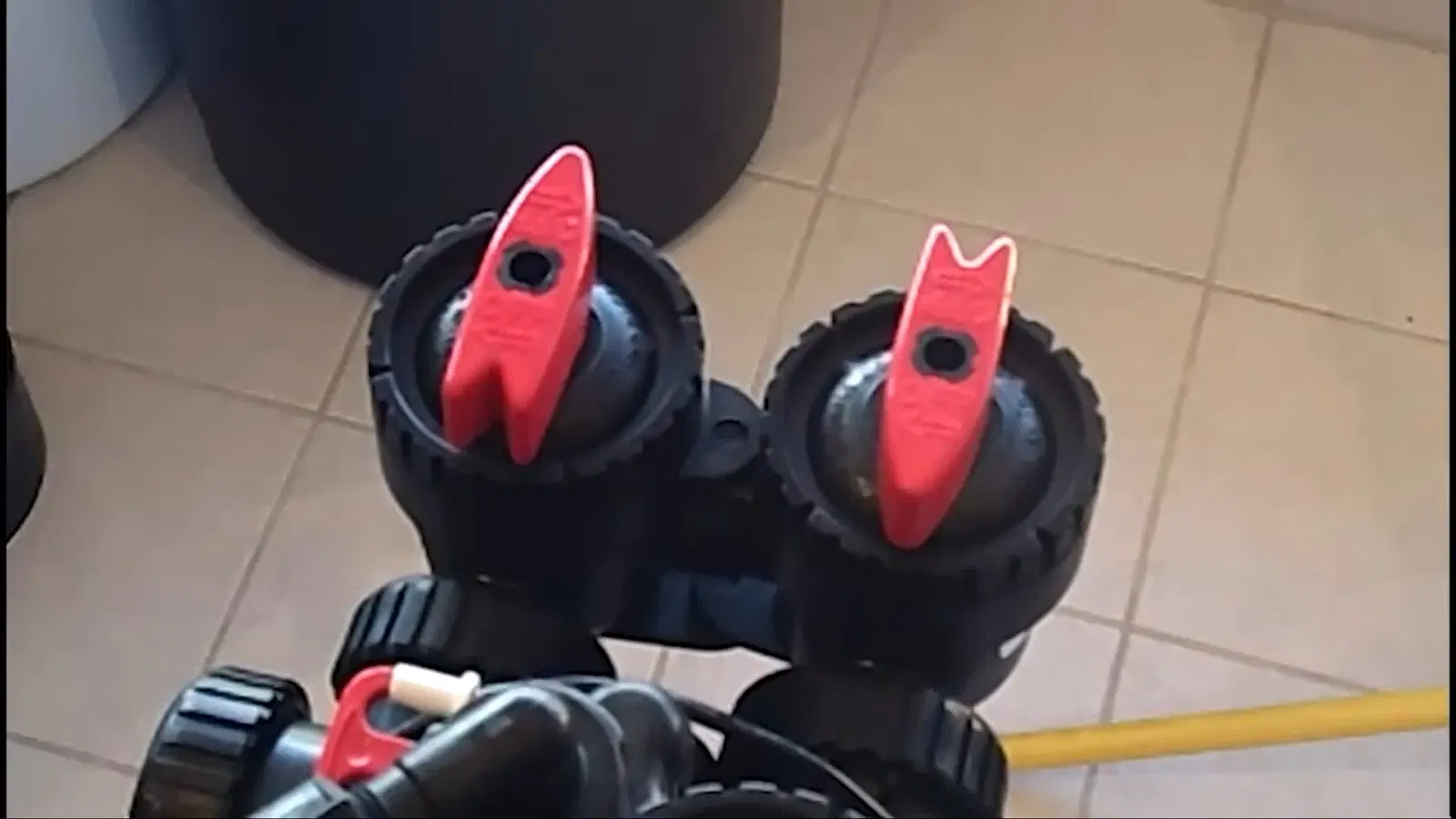
Close the cold water inlet valve at the top of the unit, and shut the gas at the appliance valve or the breaker on an electric heater. That stops it getting worse.
Then call. The line is answered around the clock. A tank that has begun to leak does not recover, and if water has already reached flooring or cabinetry, drying is time sensitive and runs on a separate dispatch line so it does not wait behind the plumbing job.