HomeServicesToilet Repair & Installation
Fixtures
Toilet Repair in Cave Creek, AZ
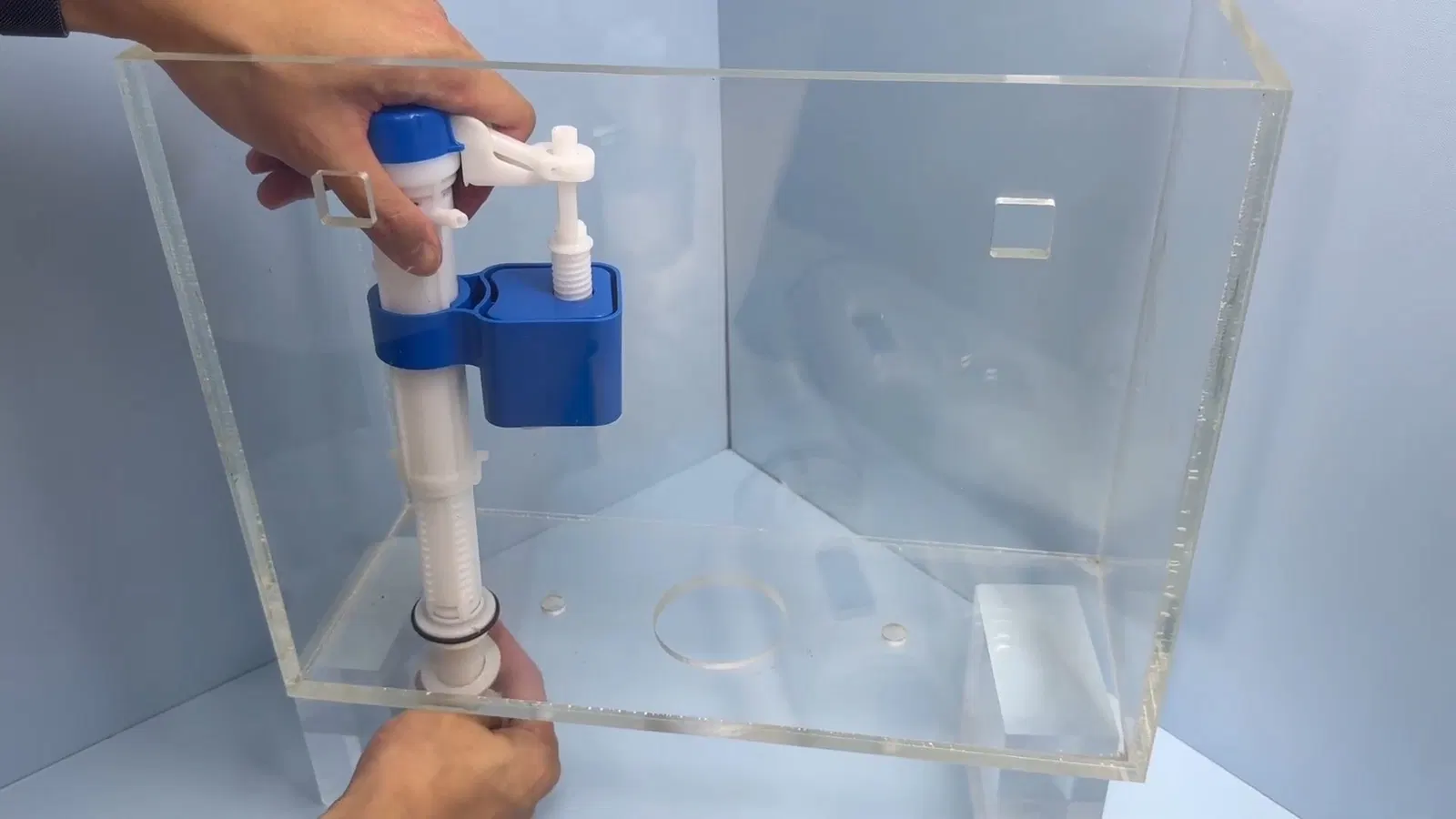
A running toilet is the largest silent water waster in most houses, and on a property drawing from a storage tank it is not silent at all. It is the reason the tank is empty.
The three faults that account for nearly all of it
Almost every toilet complaint falls into one of three categories, and each has a different level of urgency, which is worth knowing before deciding when to call.
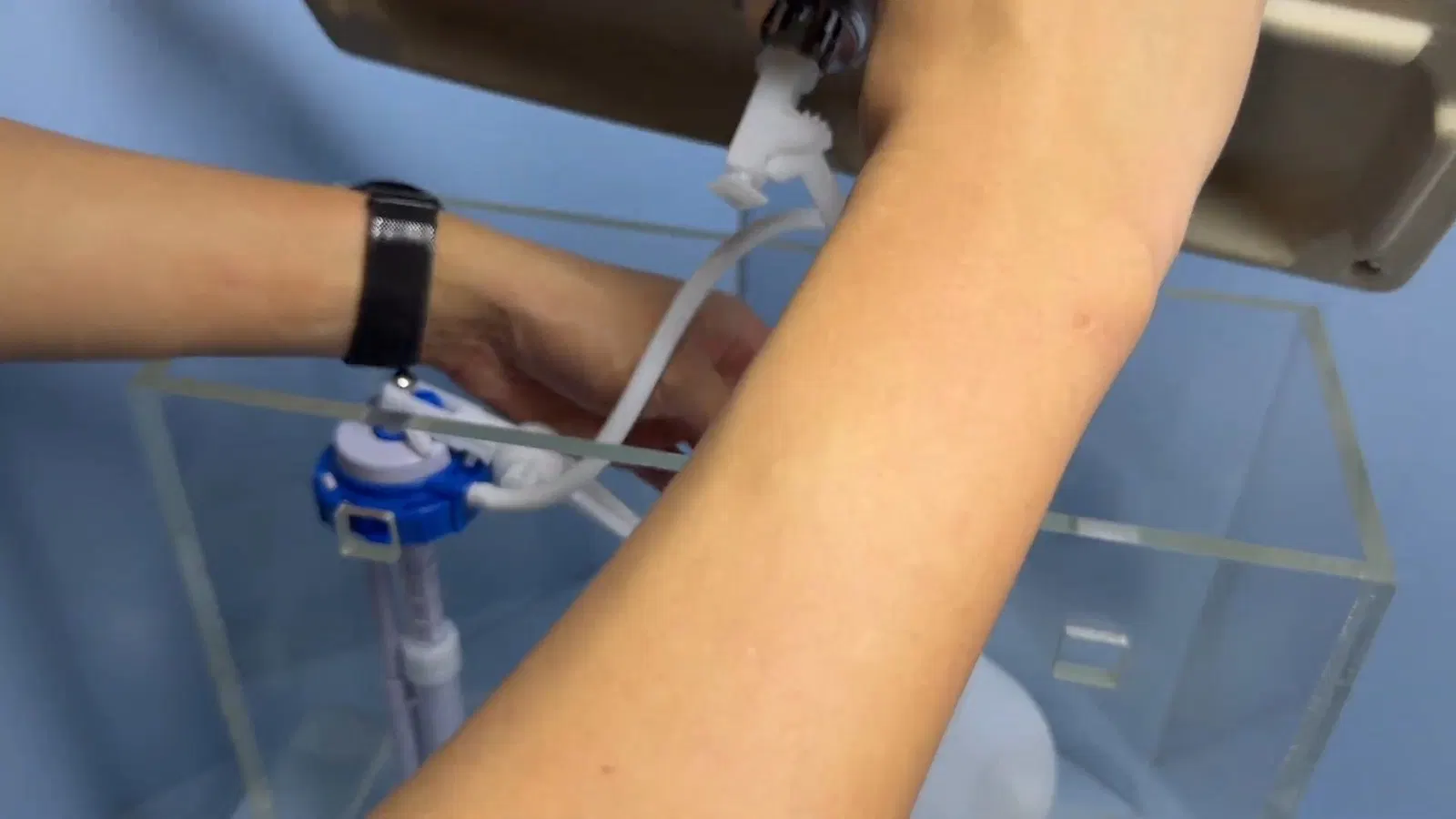
- Running continuously or cycling on its own. Usually a flapper or fill valve no longer sealing. Wastes a great deal of water, damages nothing.
- Weak or incomplete flush. Often mineral blocking the rim jets or siphon passages, sometimes a fill level set too low, sometimes a partial blockage downstream.
- Water appearing at the base. A failed wax seal or a cracked fixture. This one reaches the subfloor and is the one to act on.
The middle category is where hard water shows up most clearly. Rim jets are small passages, and mineral accumulates in them steadily until flush performance drops. Owners often assume the fixture is worn out when the passages are simply narrowed, which is a much smaller job than replacement.
The third deserves prompt attention because of where the water goes. It does not pool visibly; it runs down the flange and into the floor structure, so by the time it is obvious the subfloor around the fixture has usually been wet for a while.
Why a running toilet costs more here than elsewhere
A small fault with a large local consequence
On a metered municipal connection, a running toilet is a bill problem. It is real money, and it accumulates quietly, but nothing else happens.
On the many properties around Cave Creek drawing from a private well with a storage cistern, or on hauled deliveries, the same fault is a supply problem. There is no bill to warn you, and the water is coming out of a finite tank that somebody has to pay to refill on a schedule.
This is a common and genuinely expensive scenario: a household notices deliveries are needed more often, assumes usage has crept up, and orders more water. The actual cause is a flapper that stopped sealing months earlier. A component costing very little has quietly added several deliveries to the year.
It is the single best argument for checking the simple things before assuming heavier use. If the numbers do not match your expectations, the gap is worth investigating rather than filling.
TALK IT THROUGH FIRST
A toilet leaking at the base is more urgent than one that runs. Call (480) 806-2944 and describe what you are seeing; you will get a range and a window before anyone is dispatched.
Repair or replace
| Situation | Usual answer | Notes |
|---|---|---|
| Running or cycling | Repair | Flapper and fill valve are inexpensive parts |
| Weak flush, mineral in the jets | Clean and adjust | Descaling the passages often restores it fully |
| Weak flush, low-flow first generation fixture | Consider replacement | Early low-flow designs performed poorly; modern ones do not |
| Leaking at the base | Reset with a new seal | Check the flange and the subfloor while it is lifted |
| Cracked tank or bowl | Replace | Not repairable, and a crack propagates |
| Rocking on the floor | Reset and shim, check flange height | Movement destroys the seal repeatedly if left |
The rocking row is worth acting on even though it feels cosmetic. Movement breaks the wax seal, the seal then leaks slowly onto the subfloor, and the eventual repair involves floor structure rather than a fixture.
Whenever a toilet is lifted for any reason, the flange and the floor underneath get inspected, because that is the only opportunity to see them without creating one.
On septic systems, what goes in matters more
A large share of properties in this service area are on septic rather than a sewer connection, and that changes what a toilet can tolerate.
A septic system is a biological process. Solids settle, bacteria break material down, and liquid disperses through the drain field. Anything that does not break down accumulates in the tank, and anything that kills the bacteria interrupts the process the whole system depends on.
Wipes are the clearest example. Products labelled flushable pass through the toilet, which is all that claim really means, and then behave like fabric for years afterward. They are consistently among the worst causes of blockages in main lines and they fill tanks faster than they should be filled.
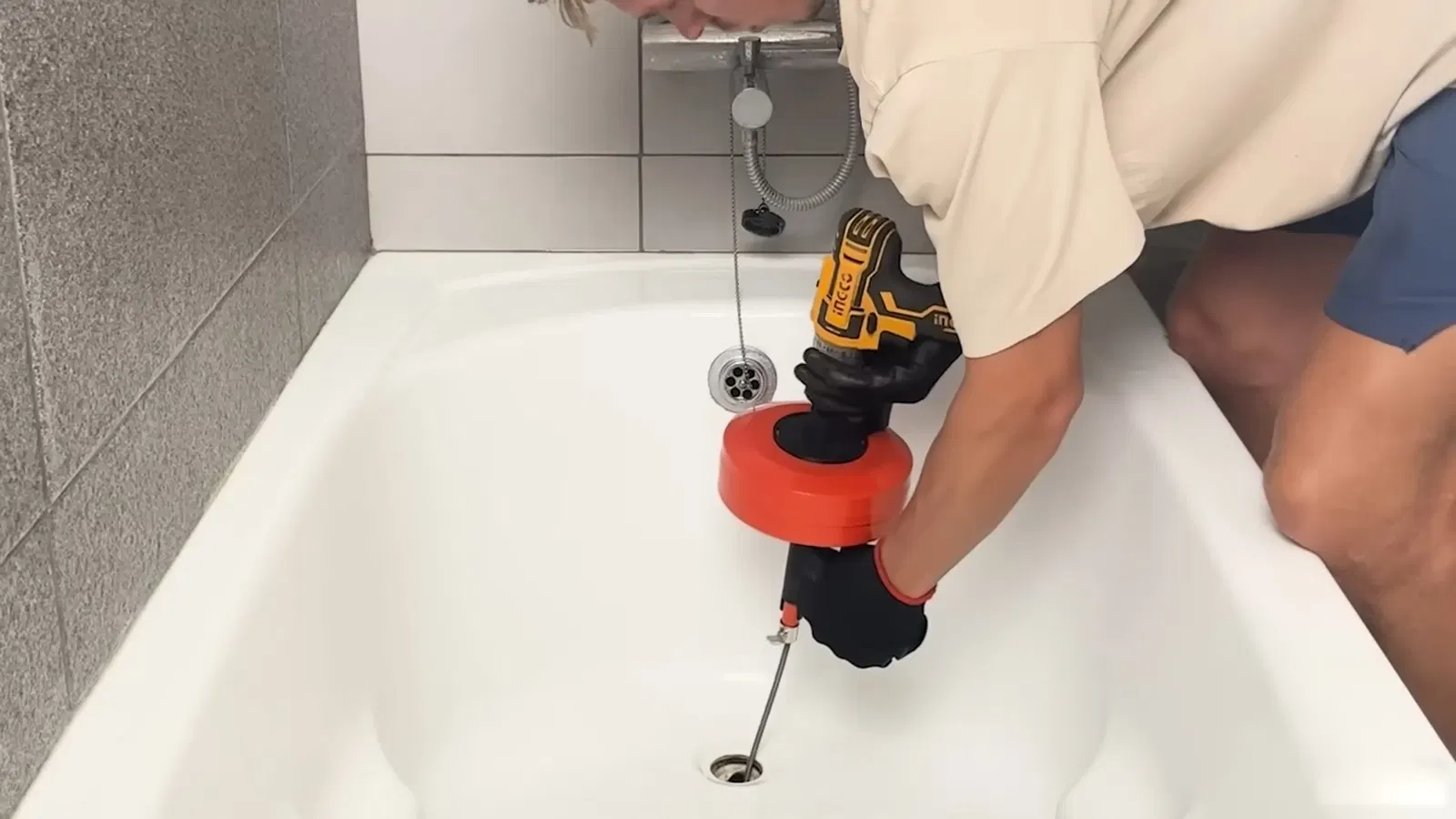
If every fixture in the house is slow rather than just the toilet, the problem is downstream of all of them, and on septic that could be the line to the tank, a tank at capacity, or a drain field no longer accepting water. A camera is what separates those three, and the cost difference between them is substantial.
Fixture requirements and where they come from
CODES AND PERMITS
Fixture flush volumes, rough-in dimensions and venting requirements all come from the plumbing code in force at your address, and Arizona leaves that to local adoption. The Town of Cave Creek adopts the International Plumbing Code (IPC) by reference in its municipal code; parcels outside the town are inspected against the 2018 IPC edition Maricopa County adopted in 2022.
For a straightforward like for like replacement this rarely comes up. It matters when a fixture is being added, relocated, or fitted where there was not one before, because that is when rough-in, venting and drainage all have to satisfy the code rather than simply match what was there.
Toilet questions, including on septic properties
How do I tell if my toilet is running when I cannot hear it?
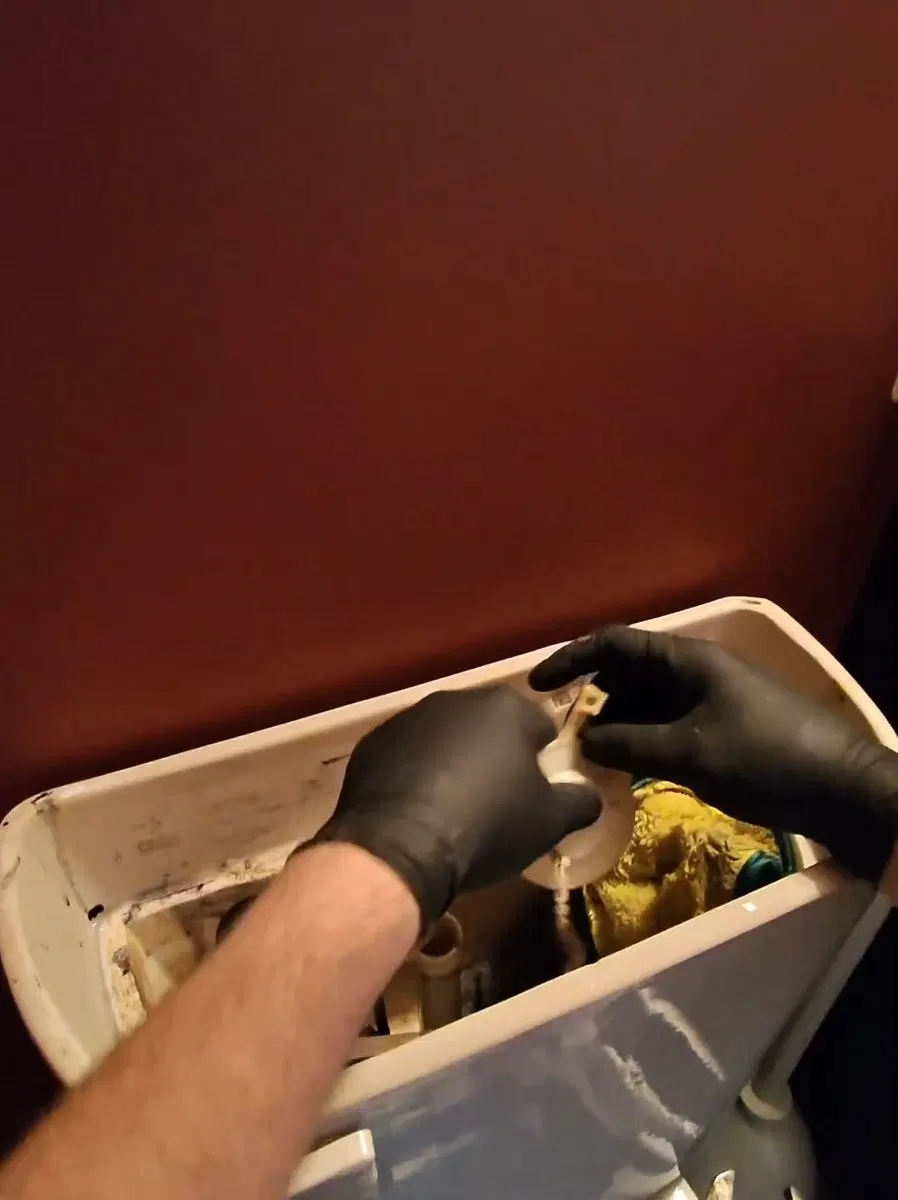
Put a few drops of food colouring in the tank, leave it half an hour without flushing, and look in the bowl. Colour in the bowl means the flapper is passing water.
It is worth doing on every toilet in the house, particularly a rarely used guest one, which is exactly where a slow leak goes unnoticed longest.
Why does my toilet flush weakly even though nothing is blocked?
Most often mineral in the rim jets and the siphon passage. Those channels are narrow, and hard water deposits in them steadily until the flush loses its force.
It is usually recoverable by clearing the passages rather than by replacing the fixture, which is worth establishing before buying a new toilet.
Can I use a chemical drain cleaner in a toilet on septic?
It is best avoided. Caustic products are aggressive toward the bacterial process a septic system depends on, and a disrupted tank takes time to recover.
On any system, a chemical poured into a blocked toilet mostly sits there rather than clearing anything, and then has to be handled by whoever comes to fix it.
Are flushable wipes actually flushable?
They flush. They do not break down, and those are different claims. In practice they are one of the most common causes of main line blockages and they accumulate in septic tanks.
On a property with a long private run, which is normal on parcels around here, the consequences of a main line blockage are more expensive than in a house thirty feet from the connection.
Water is seeping around the base. Is that urgent?
More urgent than a running toilet, yes. The water is not pooling on the surface, it is running down into the flange area and the floor structure.
Stop using that toilet, close its supply stop, and get it looked at. Caught early it is a reset with a new seal. Left long enough it becomes subfloor repair.
Should I upgrade an old toilet to save water?
Modern fixtures use considerably less per flush than pre-1990s ones and perform far better than the poorly regarded first generation of low-flow designs.
On a property drawing from a storage tank or a well, that saving is more than a bill reduction: it is directly fewer gallons out of a finite supply between deliveries, which is worth more here than the utility saving would be in town.
Running, weak flush, or water at the base?
Water at the base is the one worth calling about promptly, because it reaches the subfloor. The other two are usually straightforward.