HomeServicesCommercial Plumbing
Commercial and specialty
Commercial Plumbing in Cave Creek, AZ
On a commercial property the plumbing bill is rarely the real cost. Closing for a day is, and the two are traded against each other on almost every decision.

What makes commercial work different
The equipment is often the same. The constraints around it are not, and that is what changes the job.
A residential repair is scheduled around a household's convenience. A commercial one is scheduled around trading hours, staff, customers, and in food service around health regulation. A restaurant with a failed grease interceptor is not inconvenienced, it is potentially unable to operate.
Usage is different too. Commercial fixtures see far more cycles than domestic ones, so wear that would take a decade in a house appears in a fraction of that time. Commercial water heaters run at higher duty, which in water this hard means scale accumulates faster than a residential equivalent would.
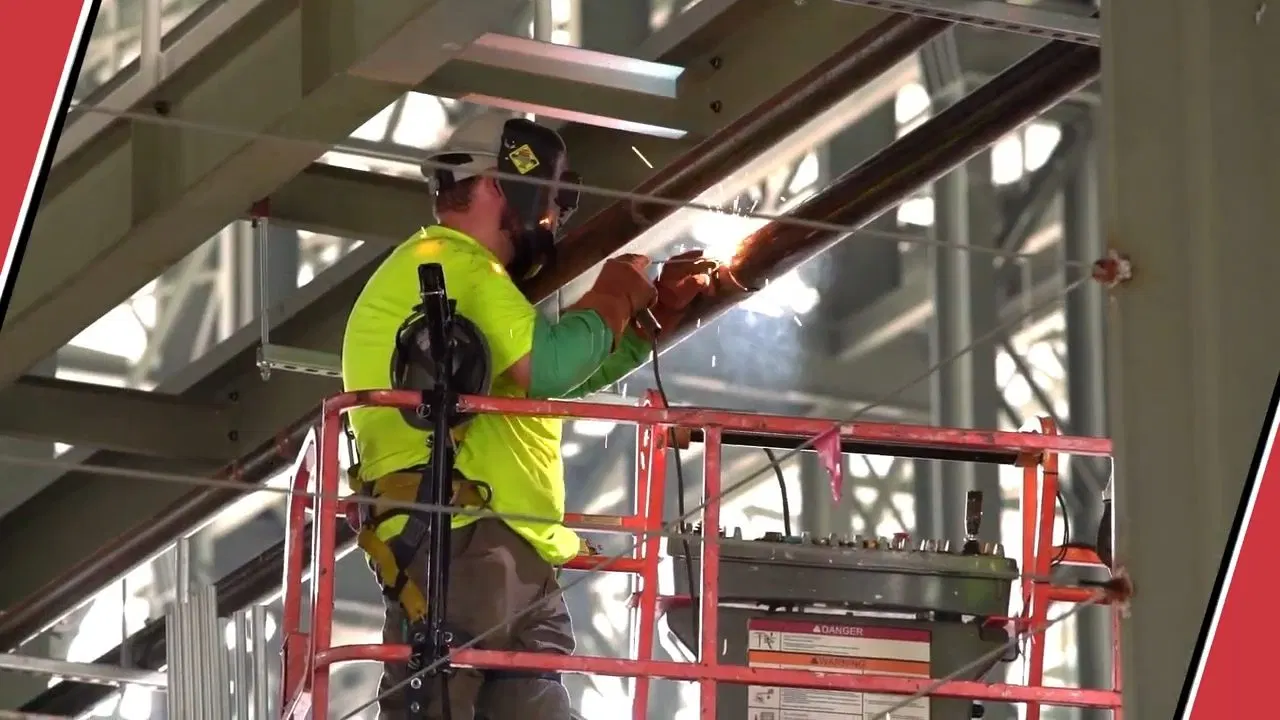
The local commercial base reflects the area: restaurants and saloons along the Cave Creek Road corridor, galleries and retail, small offices, and businesses on the larger parcels including equestrian and hospitality properties. Several of those sit outside town water or sewer service, which adds well, tank and septic considerations to a commercial context where capacity matters more than it does at a house.
TALK IT THROUGH FIRST
Scheduled work outside trading hours costs less than an unplanned closure. Call (480) 806-2944 and describe what you are seeing; you will get a range and a window before anyone is dispatched.
The systems that generate most commercial calls
- Grease interceptors and kitchen drain lines, where accumulation is continuous and the consequence of a blockage is immediate.
- Commercial water heaters, which run at high duty and scale faster in this water than a domestic unit does.
- Backflow prevention devices, which protect the potable supply and are subject to testing requirements.
- High-cycle fixtures in customer-facing restrooms, where wear is proportional to footfall.
- Main drain lines carrying commercial volumes, which are less forgiving of a partial restriction than a domestic line.
- Septic systems serving commercial premises, where the loading is far heavier than the residential design case.
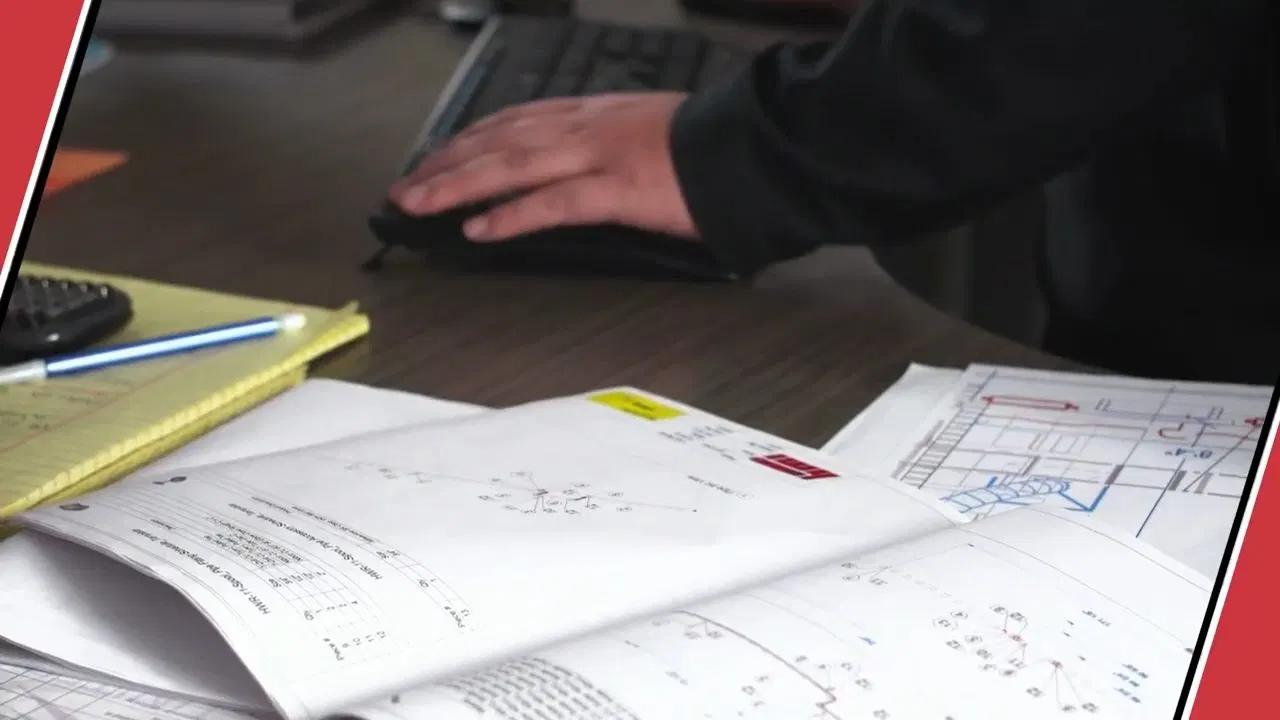
Grease lines are the standout, because the failure is predictable and the cost of it is not proportionate to the cost of preventing it. Grease coats the pipe wall, narrows the bore progressively and eventually blocks it, usually at the busiest possible moment.
Cabling a grease-blocked line restores flow by boring through it, which is why it blocks again. Scouring the wall back is the treatment that actually resets the interval, and on a food premises it is worth doing on a schedule rather than in response.
Scheduled work versus emergency response
| Planned maintenance | Emergency response | |
|---|---|---|
| When it happens | Outside trading hours, on your schedule | Whenever it fails, usually at the worst time |
| Cost of the work | Predictable, budgeted | Higher, plus after-hours rates |
| Cost of the disruption | Little or none | Lost trade, sometimes closure |
| What it covers | Known wear points before they fail | Whatever failed |
| Suits | Anything the business genuinely depends on | Genuinely unpredictable failures |
The cost most premises never calculate
The row that decides this is the third one, and it is the one least often costed. For a restaurant, an unplanned closure during service is frequently more expensive than a year of scheduled maintenance on the systems that caused it.
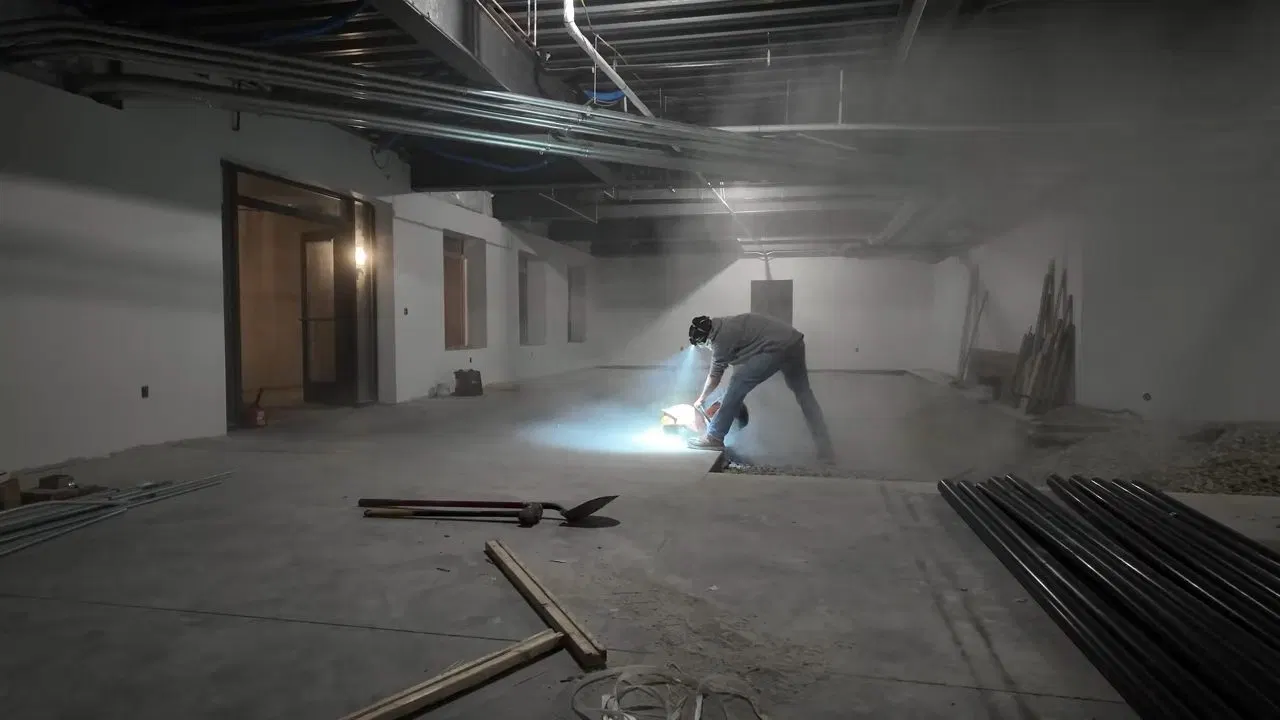
That does not mean everything should be on a contract. It means the systems the business cannot trade without, typically hot water, the kitchen drain line and the grease interceptor, are worth maintaining on a schedule, while the rest can reasonably be handled as it arises.
Work outside trading hours is usually available for planned jobs, which is the point of planning them.
Compliance, permits and who to ask
Commercial plumbing carries requirements residential work does not, and getting clarity before work starts is cheaper than retrofitting compliance afterward.

Backflow prevention is the clearest example. Devices protecting the potable supply are generally subject to periodic testing requirements, and responsibility sits with the property or business owner.
Permitting depends on where the premises sits. Inside the town limits, the Town of Cave Creek operates its own building department at Town Hall on Cave Creek Road. Premises on unincorporated parcels go through Maricopa County Planning and Development, and anything involving an onsite wastewater system also involves the county's Department of Environmental Services.
Contractor licensing throughout the state runs through the Arizona Registrar of Contractors. For food premises, health regulation adds requirements around grease management and fixtures that are worth confirming with the relevant authority rather than assumed from general practice.
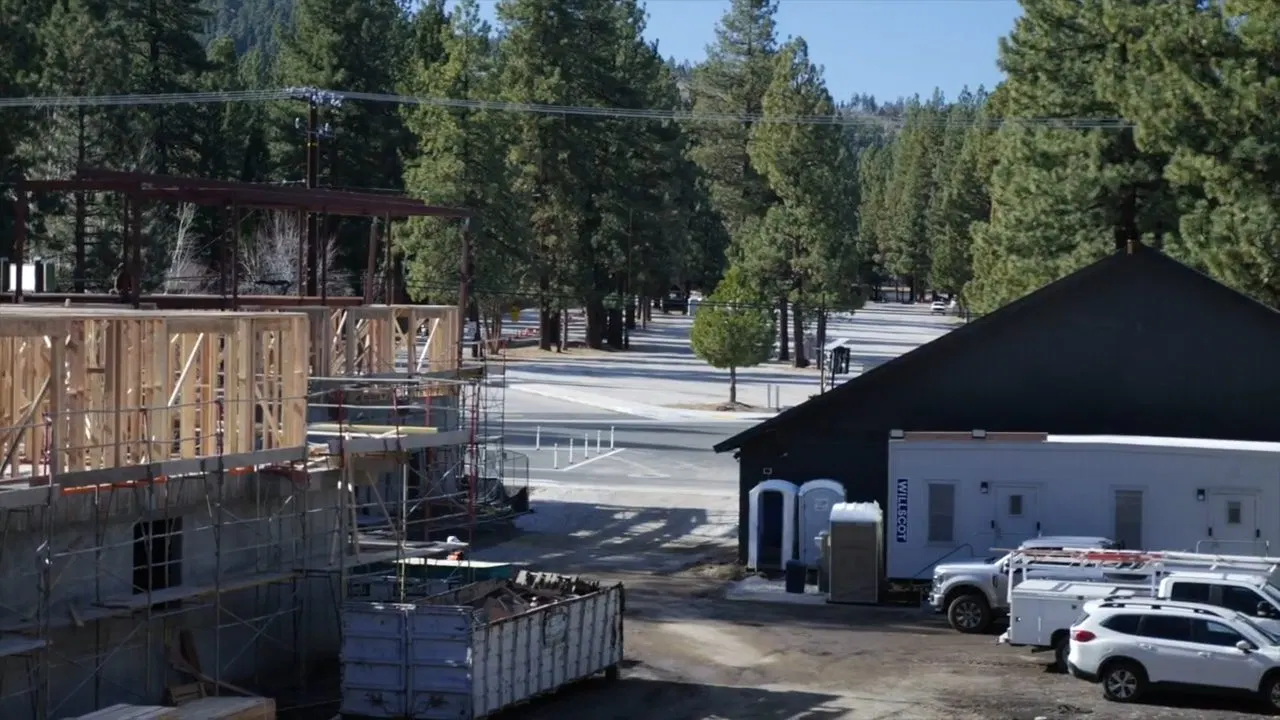
Codes, licensing and the compliance layer on commercial premises
CODES AND PERMITS
Commercial work is inspected against the locally adopted International Plumbing Code (IPC), and which edition depends on jurisdiction: the Town of Cave Creek adopts by reference in its own municipal code and moved to the 2024 International Codes at the start of 2026, while unincorporated Maricopa County enforces the 2018 editions through its Local Additions and Addenda. Larger structures also engage the International Building Code, which the Town adopted in its 2024 edition by resolution.
On top of that sit requirements residential work does not carry: backflow prevention testing to protect the potable supply, and for food premises, health regulation around grease management and fixtures. Contractor licensing runs through the Arizona Registrar of Contractors. None of that is onerous, but it is worth confirming against your specific premises and provider rather than assuming a general rule fits.
Questions from local business owners
Can work be done outside our trading hours?
For planned work, generally yes, and it is usually the sensible arrangement. Scheduling around service rather than through it is most of what makes commercial work workable.
Emergencies are by nature whenever they happen. That asymmetry is the main argument for keeping the systems you depend on out of the emergency category.
How often should a grease interceptor be serviced?
It depends on volume, menu and the size of the unit, so a schedule set from actual conditions beats a generic interval.
The signals that it is overdue are slow kitchen drains, odour, and visible accumulation. Waiting for those means running close to a blockage, which on a food premises is an operational risk rather than an inconvenience.
Our commercial water heater keeps failing. Why?
High duty cycle combined with very hard water. Commercial units heat far more water than domestic ones, and every gallon deposits mineral, so scale accumulates proportionally faster.
Regular flushing helps materially. On premises where hot water is critical, treating the supply is usually the intervention with the best return, because it addresses the mechanism rather than the symptom.
Do you work on premises outside the town sewer?
Yes, and it is a common situation on the larger parcels here. The important difference is capacity: a septic system serving a commercial premises handles loading well beyond a residential design case.
That makes monitoring and pumping intervals more important, and it makes knowing the condition of the line worth establishing before a problem forces the question.
Who is responsible for backflow testing?
Generally the property or business owner, and the requirement attaches to the device protecting the potable supply.
Because the specifics depend on the water provider and jurisdiction, and this area has more than one, it is worth confirming with your provider rather than assuming a general rule applies to your address.
Can you help before we sign a lease?
An assessment before committing is worth considerably more than one afterward. What matters is the condition of what you are inheriting: drain lines, the water heater, any grease equipment, and on a septic property the system's capacity against your intended use.
A kitchen drain line already at the end of its life becomes your problem the day you take occupancy, and it is far easier to negotiate before signing than to fund after.
Premises down, or planning work around trading hours?
Say what the premises is and what it depends on. A restaurant with no hot water and an office with a slow drain are not the same urgency.