HomeServicesWater Heater Repair
Water heaters
Water Heater Repair in Cave Creek, AZ
Most water heater faults here trace back to the same cause, and the useful question is not what broke. It is whether fixing it buys you years or months.
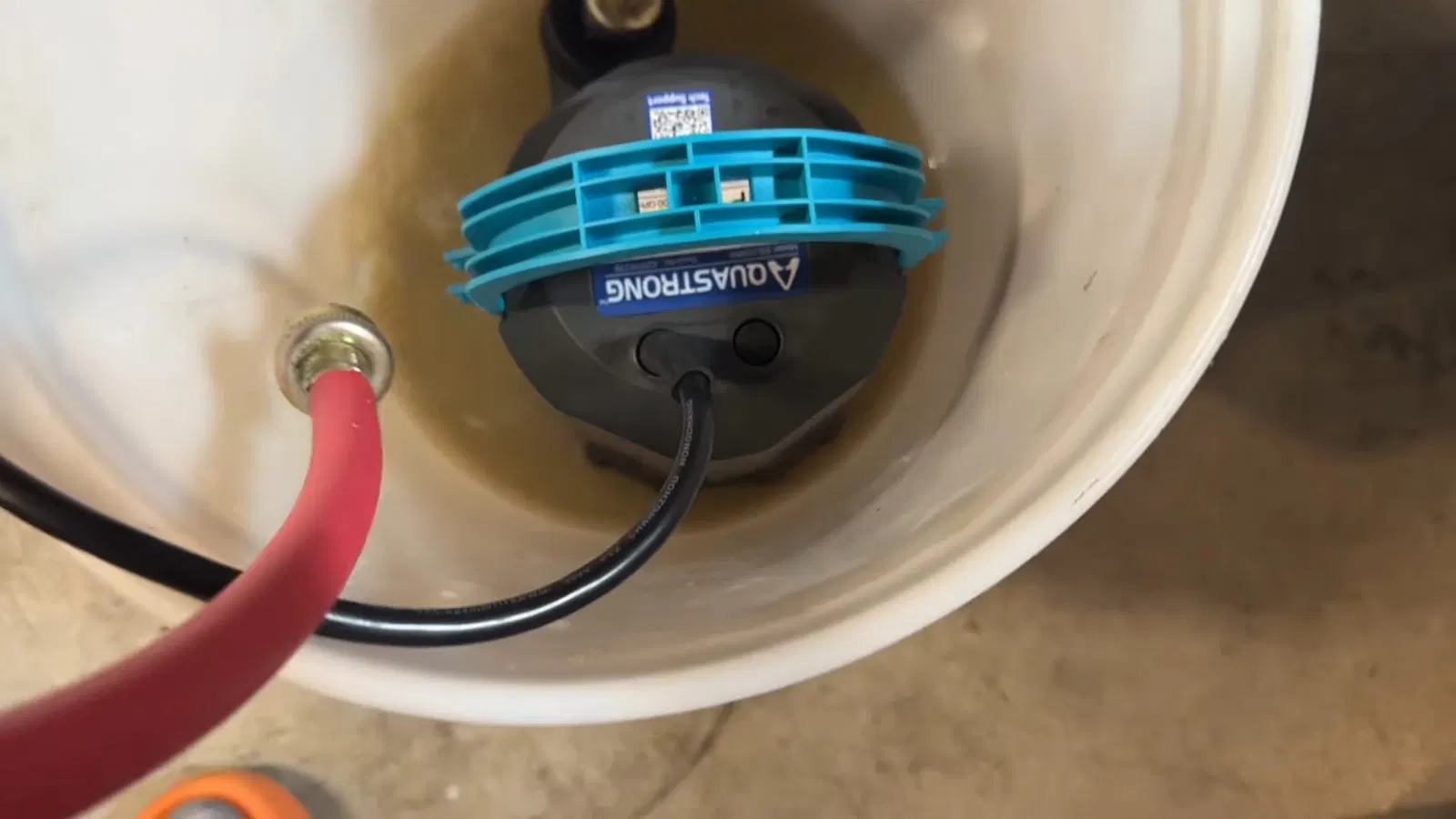
What the symptom is probably telling you
| Symptom | Common cause | Repairable? |
|---|---|---|
| No hot water at all, gas unit | Pilot, thermocouple or gas control valve | Usually yes, and often inexpensively |
| No hot water at all, electric unit | Failed upper element, thermostat, or a tripped high-limit cutout | Usually yes |
| Runs out faster than it used to | Sediment occupying tank volume, or a failed lower element | Sometimes; flushing may recover part of it |
| Rumbling or popping while heating | Water flashing to steam under a sediment layer | Flushing helps early on; heavy deposits are permanent |
| Water not hot enough | Thermostat setting or calibration, or a partially failed element | Usually yes |
| Rust-coloured hot water | Tank corrosion, or a spent anode rod | Anode replacement helps early; tank corrosion does not reverse |
| Moisture at the base | Fitting weeping, or the tank itself beginning to fail | Depends entirely which; the second is not repairable |
The last two rows are the ones that decide the whole conversation, so it is worth being honest about them. Everything above them is a component, and components are replaceable. The tank is not.
That distinction matters more here than in most markets, because the way hard water shortens tank life means an older unit is closer to the end of its life than its age alone suggests.
TALK IT THROUGH FIRST
Age of the unit is the first thing worth establishing on the phone. Call (480) 806-2944 and describe what you are seeing; you will get a range and a window before anyone is dispatched.
The one cause behind most of it
Water widely reported in the mid to high teens in grains per gallon deposits mineral on every heated surface, continuously, for as long as the unit runs. That single fact accounts for a disproportionate share of local water heater calls.
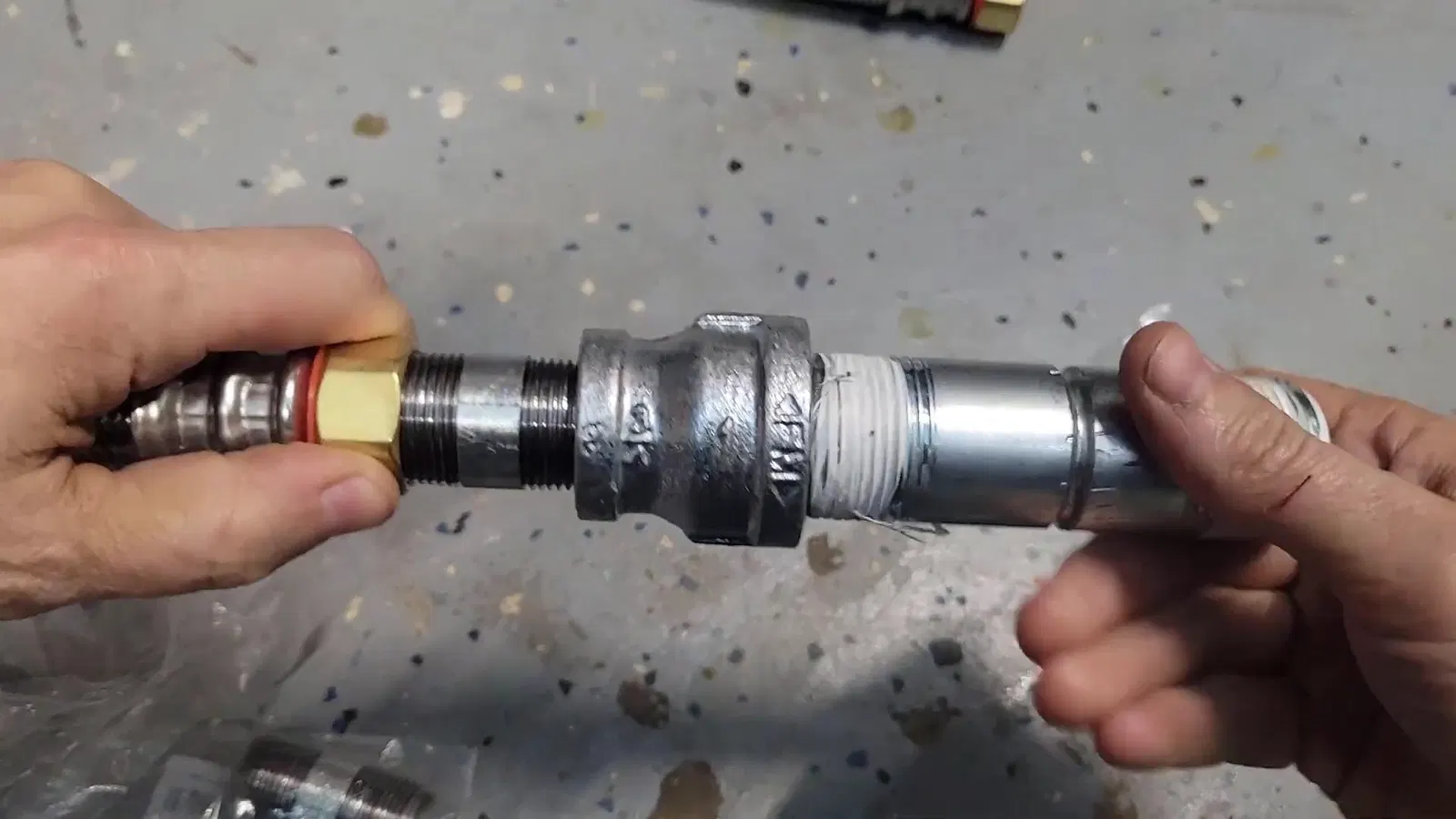
On a gas unit the deposit settles on the tank floor above the burner. On an electric unit it coats the elements directly and collects below them. Either way it insulates the heat source from the water, so the unit works harder for the same result, and the metal that used to be cooled by water is now cooled by scale, which is far worse at it.
The popping and rumbling people describe is water trapped under that layer flashing to steam and escaping through it. It is not a mysterious noise. It is a direct measurement of how much sediment is in there, audible from across the room.
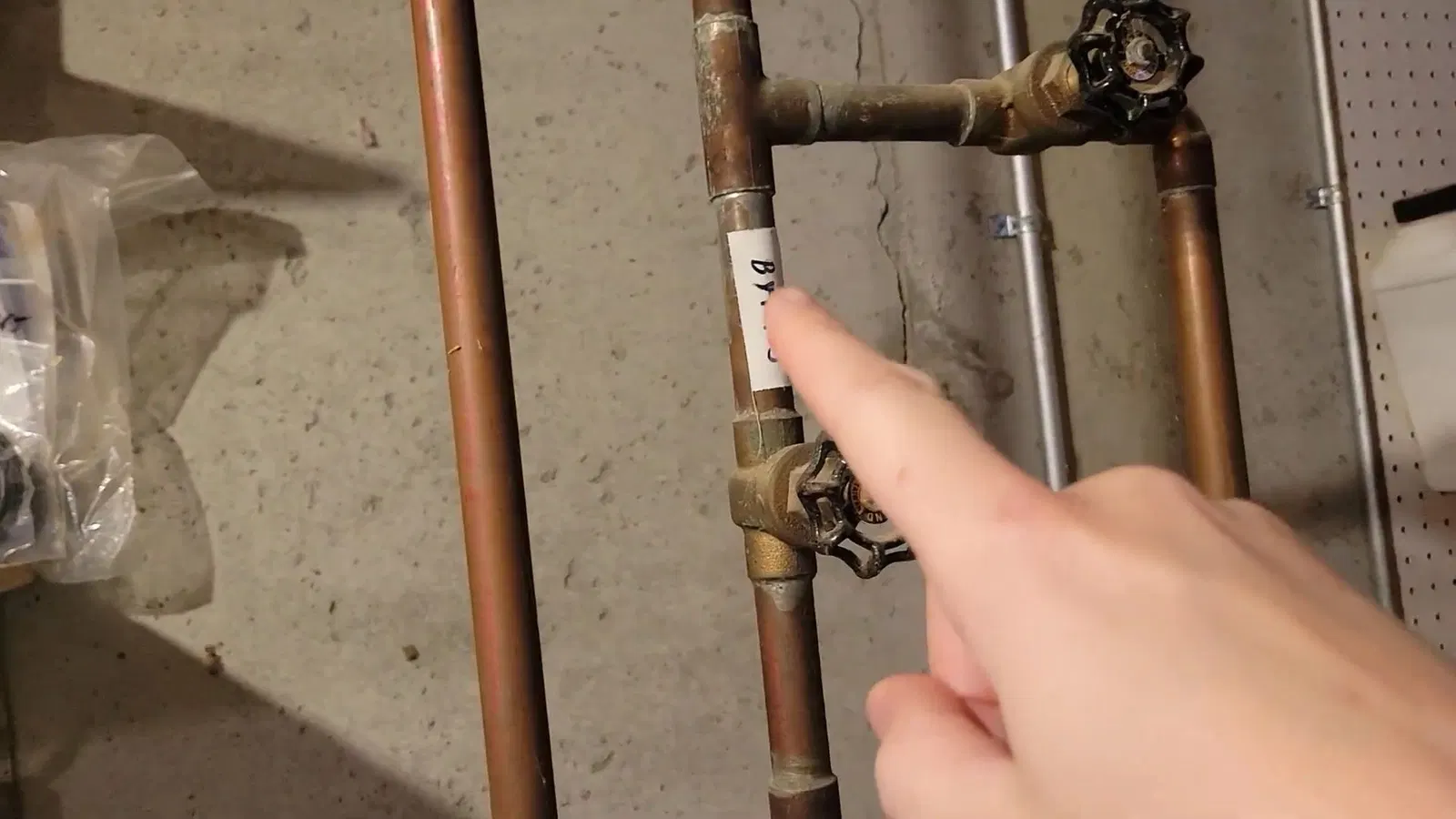
Flushing the tank annually genuinely helps in this water in a way it barely registers in soft water areas, and it is the single most worthwhile maintenance task a homeowner here can schedule. What it cannot do is remove deposits that have already hardened onto the surface, which is why it works as prevention and disappoints as a cure.
When repair is the right answer, and when it is not
The honest fix-or-replace line
Under roughly six years old, repair almost always makes sense. The tank has years left, the failed part is genuinely the problem, and replacing a thermostat or an element is a fraction of the cost of a new unit plus installation.
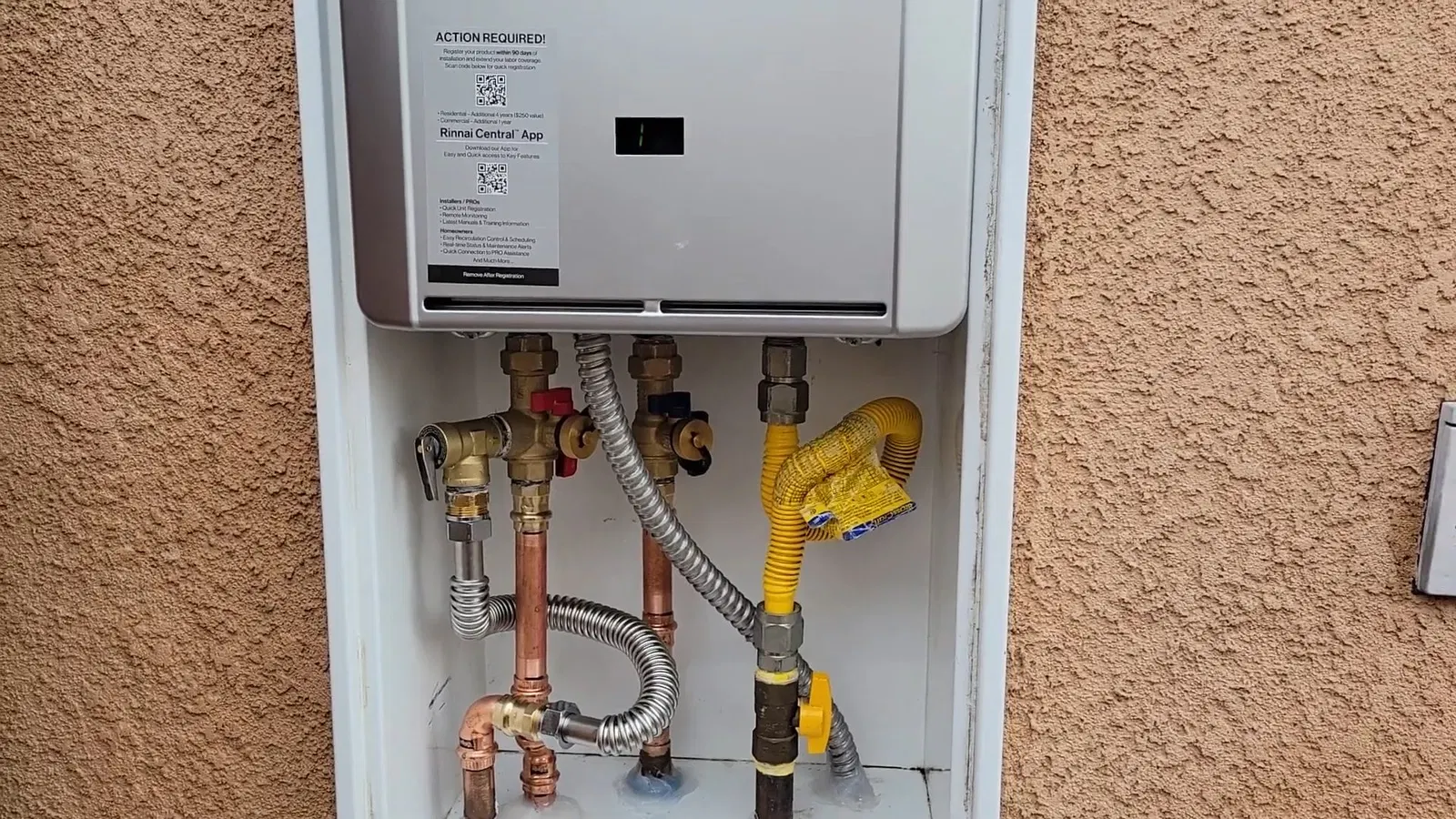
Between six and ten, it depends on what failed and what the repair costs. A cheap part on an otherwise healthy unit is worth doing. A significant repair on a unit already showing sediment noise is money spent on borrowed time.
Past ten years in this water, a substantial repair is usually poor value. The specific failure might be fixable, but the tank behind it has been accumulating scale that whole time, and tank failure is not a repair. You would be paying to keep a unit running that is statistically close to leaking.
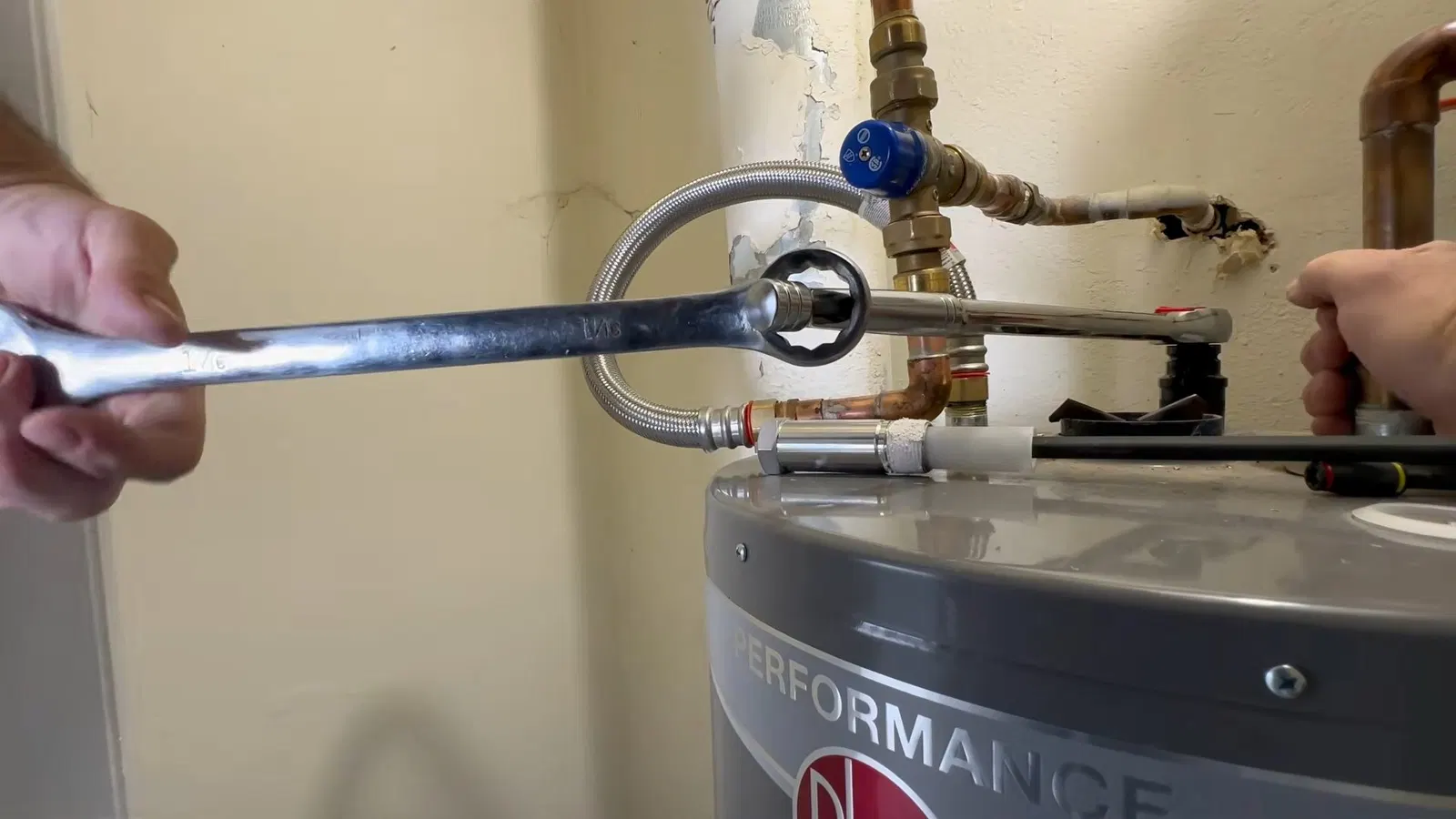
The reason that matters beyond the money: this failure mode floods. A planned replacement happens on a weekday at a scheduled rate. An unplanned one happens whenever the tank decides, often overnight, and frequently brings a drying job with it.
What you can safely check before calling
- The age. There is a date code on the rating plate, usually encoded in the serial number. It is the single most useful fact you can have ready.
- On electric units, whether the breaker has tripped, and whether the red reset button on the high-limit cutout has popped.
- On gas units, whether the pilot is lit, where the design has a visible one.
- Whether the thermostat has been moved, deliberately or otherwise.
- Whether the moisture at the base is coming from a fitting above or appearing underneath the unit itself.
- Whether anything else in the house changed recently, such as a new appliance drawing hot water.
If a reset button has tripped, reset it once. If it trips again, stop and call, because it is a safety cutout doing its job and repeatedly resetting it defeats the point of having it.
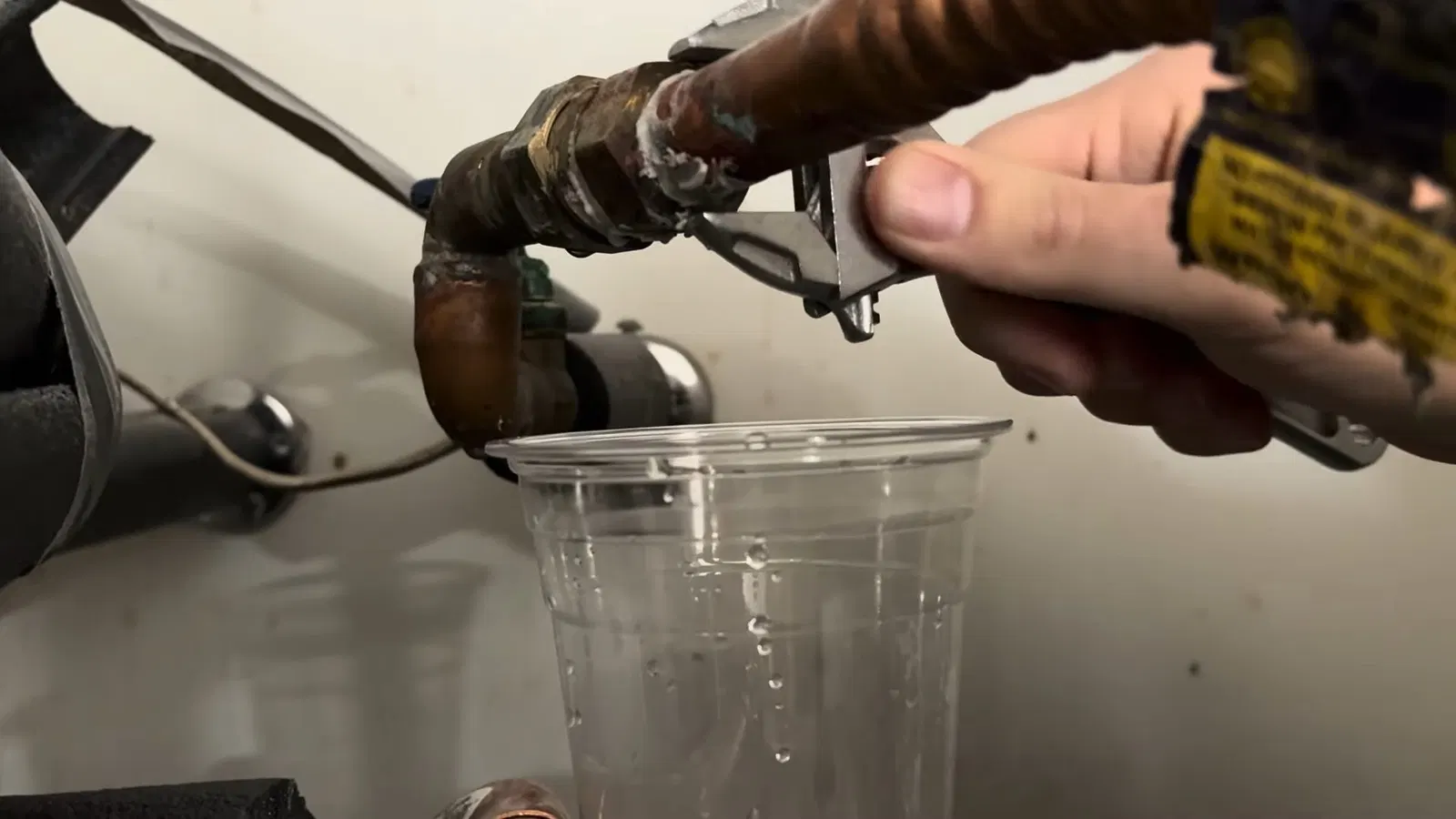
If there is standing water around the base, close the cold inlet valve at the top of the unit and cut the gas or the breaker before anything else.
When a repair becomes a replacement in code terms
CODES AND PERMITS
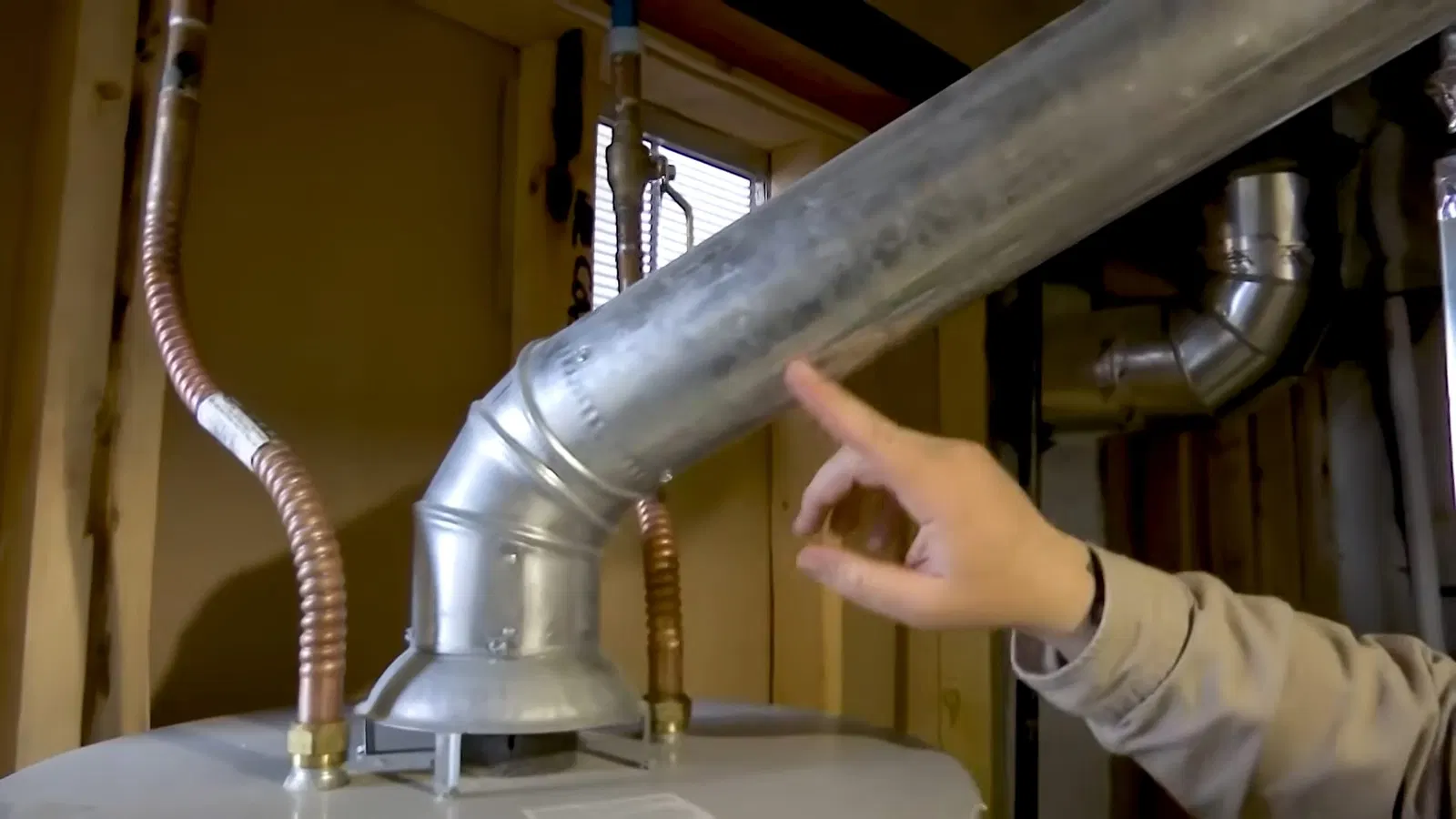
Replacing an element, a thermostat or a gas valve is maintenance and carries no permitting question. Replacing the appliance generally does, and it is inspected against the plumbing and fuel gas codes in force at the address.
Those differ locally: the Town of Cave Creek adopts the IPC and IFGC by reference in its municipal code and moved to the 2024 family in 2026, while unincorporated Maricopa County works to the 2018 editions adopted through its Local Additions and Addenda. It is worth knowing because a replacement is often the point at which an older installation gets brought up to current requirements for relief valve discharge, expansion control or venting, and that can add scope nobody expected.
Repair questions worth asking before you commit
Is it worth flushing an old tank that has never been flushed?
It is worth asking about, but expectations should be modest. Flushing removes loose sediment sitting in the bottom, which can recover some capacity and reduce noise.
What it will not do is remove hardened scale bonded to the tank floor or the elements, and on a unit that has gone a decade in this water most of the deposit is in that second category. On a very old tank, disturbing heavy sediment occasionally reveals a weakness that was already there, which is worth knowing before you decide.
How do I find out how old my water heater is?
The rating plate on the side carries a serial number, and most manufacturers encode the manufacturing date within it, commonly in the first four characters.
If it is unreadable, the installation date is sometimes written on a permit sticker or on the unit itself by whoever fitted it. Failing that, it is worth asking the previous owner or checking closing paperwork if the property changed hands.
My hot water smells. Is that a repair?
Often it relates to the anode rod, which is a sacrificial component that protects the tank by corroding in its place. In some water chemistries the reaction produces an odour, particularly after the tank has sat unused.
Changing the rod type usually addresses it. It is worth doing anyway on a unit of any age here, because a fully consumed rod means the tank has lost its protection and is corroding instead.
Can you repair a tankless unit?
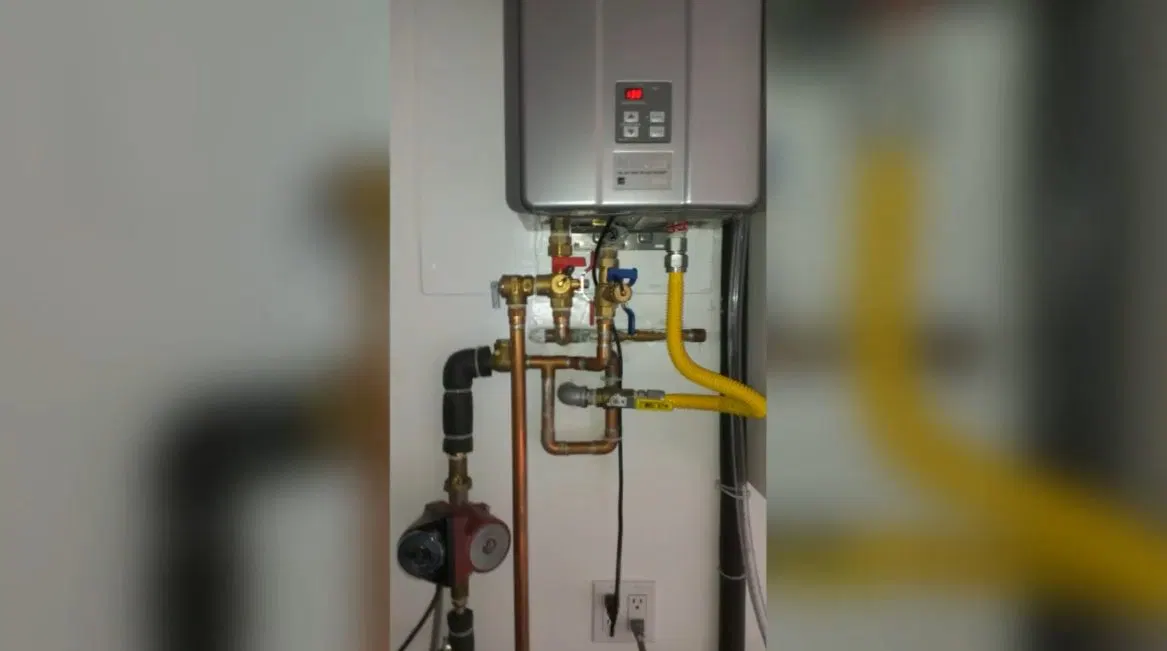
Yes, and the fault profile is different. Tankless units in hard water most often suffer from scale on the heat exchanger, which shows as reduced output, temperature swings, or an error code rather than a total failure.
The remedy is usually descaling rather than part replacement, and it needs doing on a schedule rather than once. What that maintenance involves is covered here.
Is no hot water an after-hours emergency?
Uncomfortable, but generally not urgent in the way a leak is. No hot water does not damage the building, and a morning appointment usually costs less than a night call.
Water around the unit is a different matter. That is a call now, because the volume involved and where it goes are both time dependent.
Should I just replace it instead?
If it is past ten years in this water and the repair is not trivial, that is often the better value answer, and you should expect to be told so plainly.
The advantage of choosing is that you control the timing, the specification and whether treatment goes in first. Softening the supply before fitting a new tank means the replacement does not start its life in the conditions that ended the last one.
No hot water, or not enough of it?
Have the age of the unit and its fuel type ready if you can. Those two facts settle the repair-or-replace question faster than any symptom does.